
Work, Gym and Daily Life After Circumcision
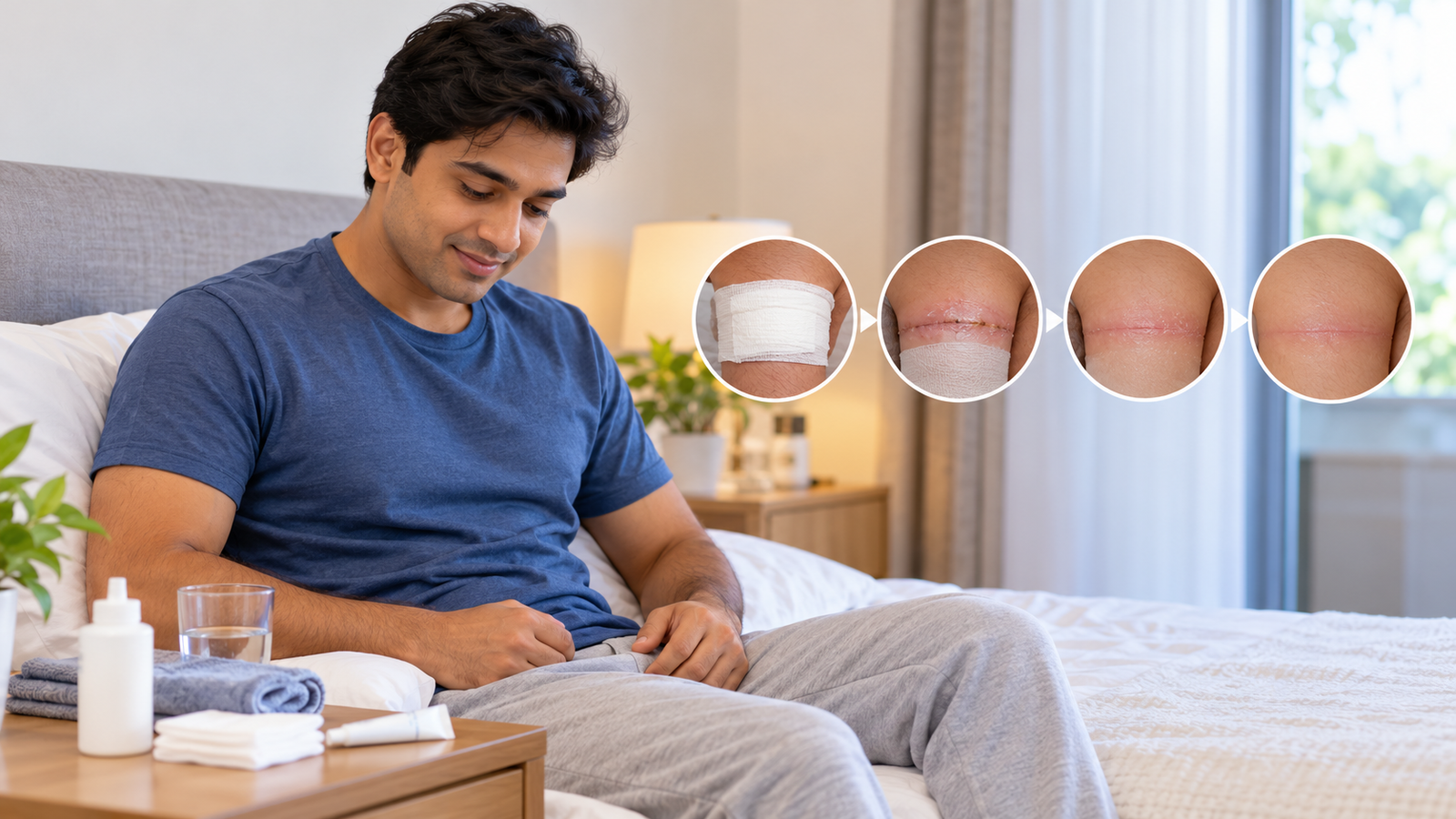
Most men can resume gentle walking within a day or two after circumcision, while desk work may be possible within several days to a week. Heavy lifting, running, cycling, and gym workouts usually need a longer break. Full healing commonly takes four to six weeks, and activities after circumcision should increase gradually according to comfort and the surgeon's advice.
One of the most common questions after adult circumcision is, "When can I return to my normal routine?"
Some men need to resume office work, while others have physically demanding jobs or regularly visit the gym. Although circumcision is often performed as a day-care procedure, the wound still needs sufficient time to heal.
Understanding the recovery timeline helps patients avoid unnecessary discomfort, bleeding, and wound irritation.
This guide explains when to resume work, walking, driving, exercise, and other daily activities.
When Can You Resume Normal Activities After Circumcision?
Recovery depends on the surgical technique, individual healing, wound condition, and type of activity.
During the first few days, mild pain, swelling, and sensitivity are common. These symptoms generally improve as healing progresses.
However, feeling better does not mean the wound has completely healed.
The safest approach is to increase activities after circumcision gradually rather than returning to every activity at once.
Factors That Affect Recovery
Several factors influence how quickly a patient can resume normal activities:
-
Age and general health
-
Diabetes or other medical conditions
-
Smoking habits
-
Surgical technique
-
Amount of postoperative swelling
-
Wound healing progress
-
Physical demands of work
-
Compliance with postoperative instructions
Patients should follow the individual recovery plan provided by their surgeon.
For more information about the procedure, visit Adult Circumcision.
Circumcision Recovery Timeline: Day 1 to Week 6
The following timeline provides general guidance for adults recovering from circumcision.
| Recovery Period | Activities Usually Possible | Activities to Avoid or Limit |
|---|---|---|
| First 24–48 hours | Rest, short walks around the house | Gym, lifting, running and strenuous work |
| Days 3–7 | Gentle walking, basic household activities, possibly desk work | Heavy lifting, cycling and vigorous exercise |
| Week 2 | More comfortable walking and selected light duties | Activities that cause friction, pressure, or wound discomfort |
| Weeks 3–4 | Gradual increase in daily activity if healing well | Strenuous workouts until medically cleared |
| Weeks 4–6 | Many patients can progressively resume normal exercise after assessment | Sexual activity or intense exercise if healing remains incomplete |
| After 6 weeks | Most routine activities may be possible when fully healed | Any activity causing pain, bleeding, or wound irritation |
Important: This timeline is approximate. Some patients recover faster, while others require more time.
First 48 Hours: Rest and Gentle Movement
The first two days are primarily for rest and pain control.
Patients may experience:
-
Mild bleeding or spotting
-
Swelling around the incision
-
Sensitivity when clothing touches the area
-
Discomfort during movement
Short walks around the house are generally acceptable when comfortable.
Avoid unnecessary physical strain.
If sedation or general anaesthesia was used, follow the hospital's instructions regarding driving, work and important decisions.
Days 3–7: Returning to Light Daily Activities
During the first week, swelling and sensitivity may gradually improve.
Many patients can perform basic activities such as walking indoors, eating normally, and completing simple household tasks.
Some may feel ready for desk-based work.
However, long periods of standing, heavy lifting, and repetitive movements may still cause discomfort.
Do not force yourself to return to work simply because pain has reduced.
Week 2: Increasing Comfortable Movement
By the second week, some patients notice significant improvement.
Walking and routine household activities may become easier.
However, stitches may still be present, and the incision can remain sensitive.
Avoid movements that stretch or rub the healing area.
If you experience increasing swelling or discomfort after an activity, reduce your activity level and seek advice when necessary.
Weeks 3–4: Gradual Return to Routine
As healing progresses, patients may be able to increase their daily activity.
Some forms of low-impact exercise may become appropriate after medical clearance.
However, strenuous exercise, cycling and heavy lifting should not resume automatically at a fixed date.
The surgeon should assess wound healing and provide activity-specific advice.
Weeks 4–6: Approaching Full Recovery
Many adults experience substantial healing by four to six weeks.
At this stage, the surgeon may permit a gradual return to more demanding exercise and sexual activity once the wound is fully healed.
Persistent tenderness, open areas, or bleeding indicate that more recovery time may be needed.
When Can You Return to Work After Circumcision?
The appropriate time to return to work after circumcision depends mainly on the physical demands of your job.
Someone working at a computer may return earlier than someone whose job involves lifting, standing for long periods, or operating heavy machinery.
Return-to-Work Guidance by Job Type
| Job Type | General Planning Estimate | Important Considerations |
|---|---|---|
| Desk or computer work | Several days to one week | Comfortable sitting and minimal movement |
| Shop or retail work | Around one week or longer | Standing, walking, and clothing friction |
| Factory or machine work | Often one to two weeks or modified duties | Heat, physical movement and workplace safety |
| Heavy lifting or construction | May require several weeks | Strain, wound discomfort and risk of bleeding |
| Driving-based work | Individual assessment | Sitting pressure, safe braking and medication effects |
These estimates are not guaranteed medical clearance dates.
Tips for Returning to Work Safely
Before returning to work:
-
Make sure pain is adequately controlled.
-
Wear comfortable clothing.
-
Avoid heavy lifting until cleared.
-
Take breaks if prolonged standing causes discomfort.
-
Keep the area clean according to postoperative instructions.
-
Attend scheduled follow-up appointments.
If your employer requires a medical certificate, discuss it with the treating clinic.
Patients planning surgery around employment commitments may also find information about day-care circumcision surgery useful.
When Can You Start Walking, Gym and Exercise After Circumcision?
Exercise is an important part of daily life, but restarting too early can irritate the healing incision.
The safest approach to exercise after circumcision is to begin with gentle movement and gradually increase intensity.
Walking
Gentle walking is usually possible within the first day or two, depending on comfort and the anaesthesia received.
Start with short distances.
Avoid long walks if they cause rubbing, pain, or swelling.
Gym Workouts
Most patients should avoid strenuous gym exercise during the early recovery period.
Activities such as weightlifting, intense cardio, and abdominal exercises can increase pressure and movement around the healing area.
A return to gym training is often considered after several weeks, depending on wound healing.
Do not restart heavy workouts without the surgeon's approval.
Running and Jogging
Running creates repeated movement and friction.
This may increase discomfort while the incision is healing.
Wait until swelling has improved, the wound is secure, and the surgeon confirms that running is appropriate.
Weightlifting
Heavy lifting can increase physical strain and may worsen postoperative discomfort.
Avoid heavy weights during early recovery.
When cleared, restart with lighter loads rather than immediately returning to your previous training intensity.
Cycling
Cycling deserves particular caution because the saddle creates direct pressure and friction around the genital region.
It is often best avoided until healing is sufficiently advanced and the surgeon approves.
For many patients, this means waiting several weeks rather than attempting cycling during the first few days.
Which Activities Should You Avoid During Healing?
Some activities after circumcision should be postponed until the wound has healed adequately.
These include:
-
Heavy lifting
-
Running and high-impact exercise
-
Cycling and motorbike riding if uncomfortable
-
Contact sports
-
Swimming and soaking in water until permitted
-
Sexual intercourse
-
Masturbation
-
Activities that repeatedly rub the incision
When Can Sexual Activity Resume?
Adult circumcision wounds commonly require four to six weeks to heal.
Patients are generally advised to avoid sexual intercourse and masturbation for at least four weeks and until the wound has completely healed. Some require six weeks or longer.
Resuming too early may cause pain, bleeding, or wound separation.
Follow your surgeon's specific instructions.
When Can You Drive, Ride a Bike or Travel?
Driving and travelling may be possible before full recovery, but comfort and safety are essential.
Driving a Car
You should drive only when:
-
You are no longer affected by anaesthesia or sedating medication.
-
You can sit comfortably.
-
You can perform an emergency stop without hesitation or pain.
-
Your surgeon has not advised against driving.
Do not drive immediately after sedation or general anaesthesia.
Riding a Motorcycle
Motorcycle riding may create pressure and vibration that irritate the healing area.
It is generally better to delay riding until comfortable and medically cleared.
Travelling
Short car journeys may be possible during early recovery if comfortable.
Long-distance travel may require additional planning because prolonged sitting, limited access to hygiene facilities and delayed medical review can create difficulties.
If travel is unavoidable, discuss it with the surgeon before surgery.
How Can You Make Daily Life More Comfortable During Recovery?
Proper care after circumcision supports healing and makes routine activities easier.
Wear Comfortable Underwear
Choose clean, breathable underwear that reduces friction.
Some patients prefer supportive underwear, while others find a looser fit more comfortable.
Follow the surgeon's recommendations.
Follow Wound-Care Instructions
Keep the wound clean as directed.
Change dressings only according to the postoperative plan or when they become wet or soiled, and replacement is advised.
Avoid applying powders, creams, or antiseptics without medical approval.
Take Prescribed Medicines Correctly
Use pain medication and other prescribed treatments as instructed.
Do not take additional medication without checking for possible interactions or contraindications.
Avoid Smoking
Smoking can interfere with wound healing.
Stopping smoking before and after surgery may support recovery.
Attend Follow-Up Visits
Follow-up appointments allow the surgeon to check healing and advise when normal activities can safely resume.
Patients can review the clinic's key points before circumcision for additional preparation guidance.
When Should You Delay Normal Activities?
Do not increase your activity level if the wound is showing signs of a complication.
Warning signs include:
-
Increasing pain
-
Significant or persistent bleeding
-
Worsening swelling
-
Spreading redness
-
Pus or unpleasant discharge
-
Fever
-
Wound separation
-
Difficulty passing urine
These symptoms may indicate an infection after circumcision or another postoperative problem.
Seek urgent medical care for heavy bleeding, inability to urinate or rapidly worsening symptoms.
When Should You Consult a Surgeon?
If recovery is slower than expected, a clinical assessment can help determine whether additional rest or treatment is required.
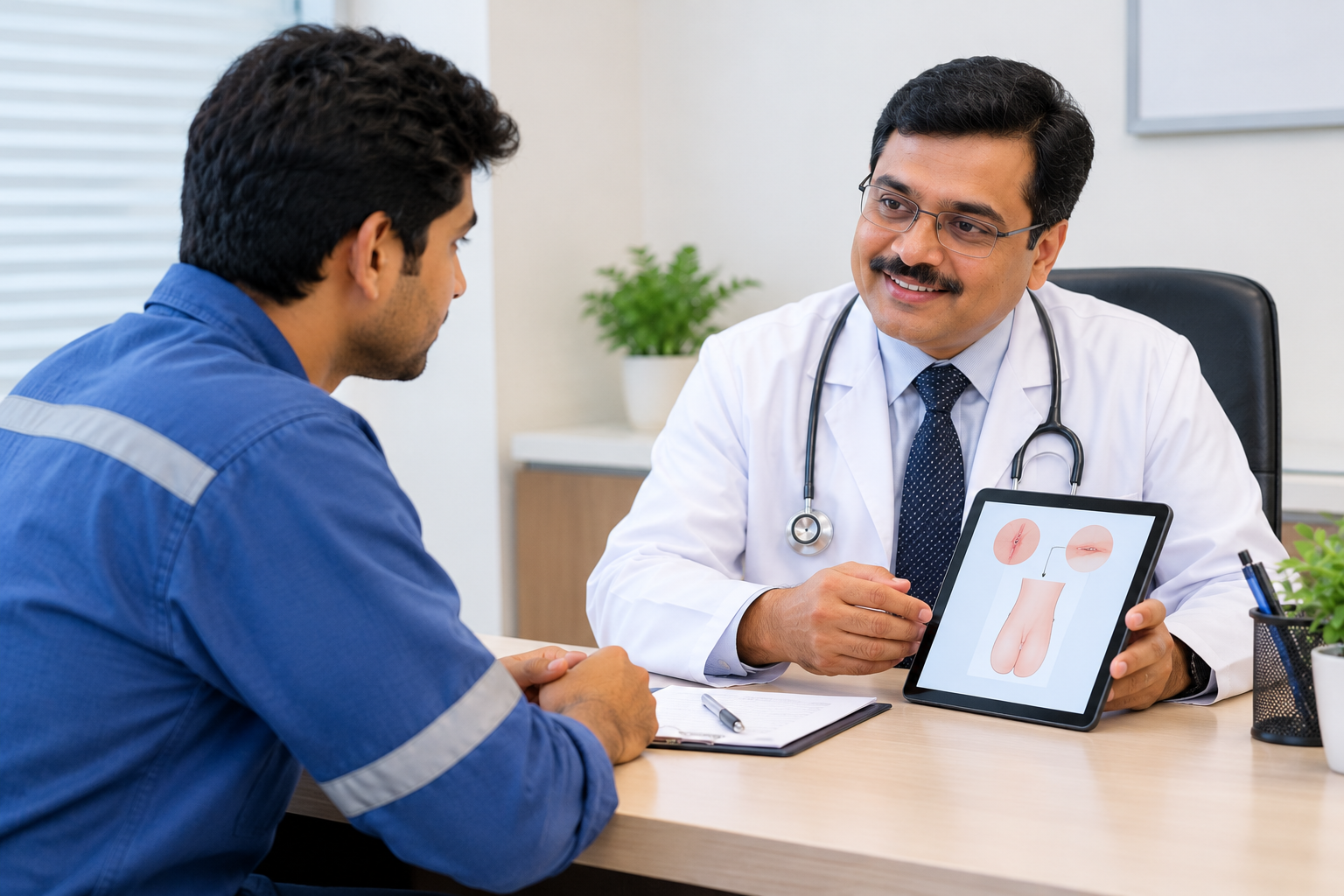
At Elegance Clinic, Dr. Ashutosh Shah, MBBS, MS, MCh and DNB, is a Plastic and Reconstructive Surgeon with over 22 years of surgical experience. Patients undergoing adult circumcision can discuss their work responsibilities, exercise routine, and recovery concerns during consultation so that return-to-activity advice reflects their individual healing progress.
Conclusion
Returning to normal life after circumcision requires patience and gradual progress.
Light walking may be possible within a day or two, while desk work often becomes manageable within several days to a week. Physically demanding jobs, running, cycling, and gym training generally require more recovery time.
The safest approach to activities after circumcision is to follow the surgeon's instructions, monitor healing, and avoid rushing back into strenuous routines.
For personalised recovery guidance, book a consultation with Elegance Clinic.