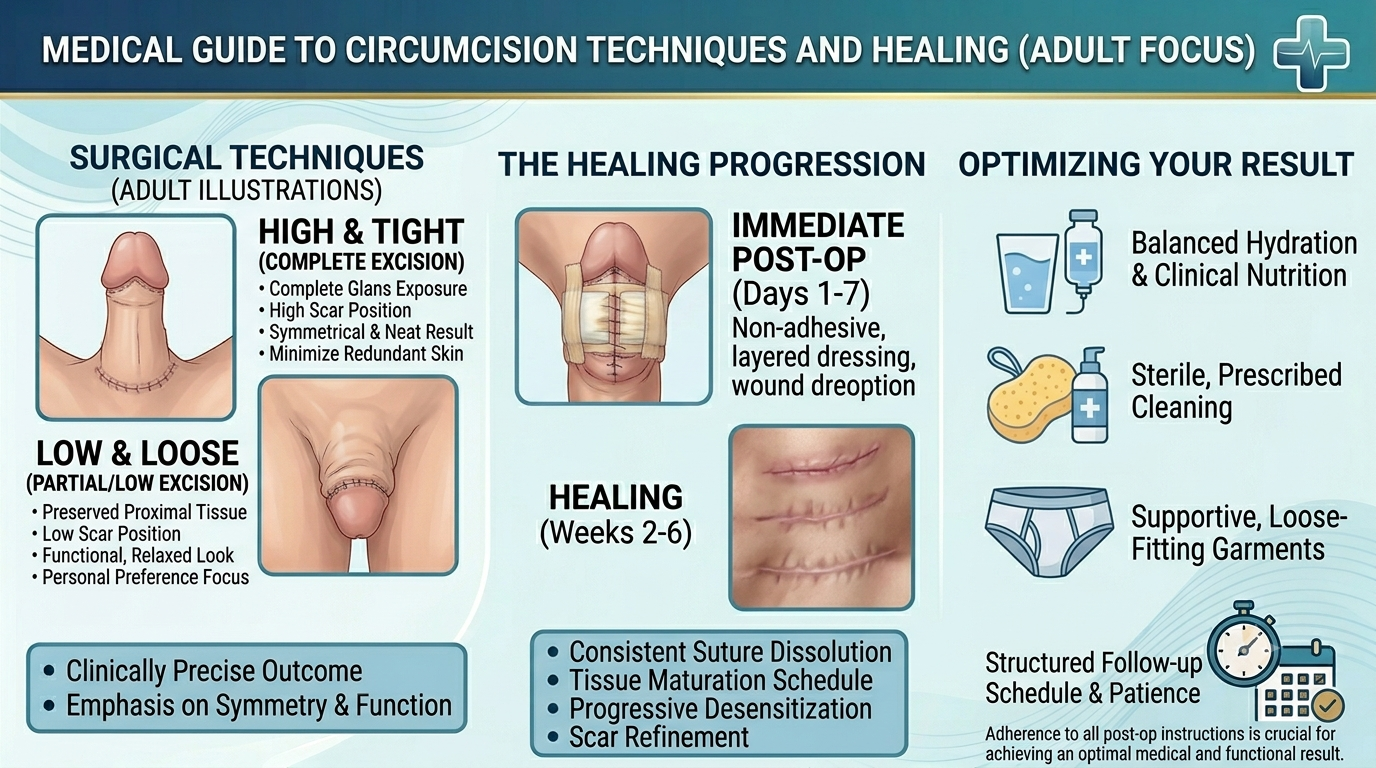
Aesthetic Circumcision Results: Healing, Appearance & Recovery
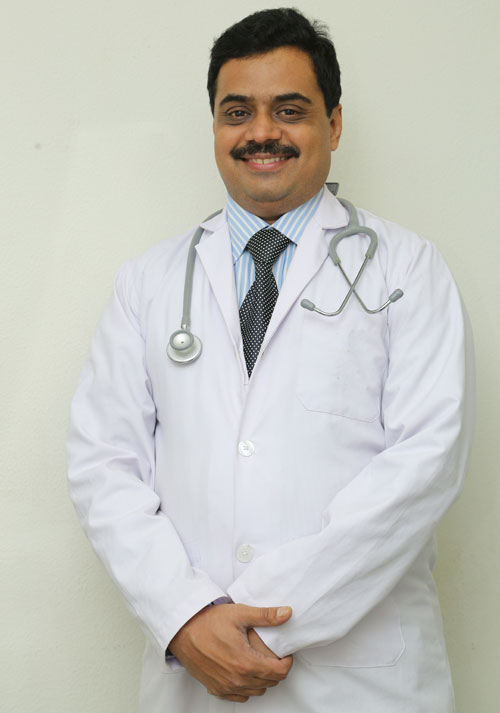
Aesthetic Circumcision Results refer to the final cosmetic appearance, healing quality, and overall outcome achieved after a circumcision procedure designed to improve both function and appearance. Today, many men choose cosmetic circumcision because Aesthetic Circumcision Results can provide a cleaner appearance, smoother healing, improved hygiene, and better confidence. At Elegance Clinic, Dr Ashutosh Shah performs advanced cosmetic circumcision procedures using modern surgical techniques focused on achieving precise and natural-looking results.
This guide explains everything about Aesthetic Circumcision Results, including reasons for surgery, symptoms that may indicate treatment, diagnosis, procedure details, recovery process, risks, and expected benefits.
Expert Cosmetic Circumcision Treatment
Dr Ashutosh Shah is an experienced surgeon known for performing advanced cosmetic and reconstructive procedures. At Elegance Clinic, he offers modern circumcision procedures designed to improve both medical outcomes and appearance.
When patients choose cosmetic surgery, they often focus on Aesthetic Circumcision Results because appearance, healing quality, and long-term comfort are equally important. Therefore, choosing an experienced surgeon plays a major role in achieving the desired outcome.
What Are Aesthetic Circumcision Results?
Aesthetic Circumcision Results describe how the surgical area looks and heals after cosmetic circumcision surgery. Unlike traditional circumcision, cosmetic circumcision focuses not only on removing excess foreskin but also on creating a neat, symmetrical, and visually appealing final result.
Good surgical planning improves:
- Skin symmetry
- Smooth scar healing
- Natural contour appearance
- Better hygiene management
- Improved confidence
As a result, many patients specifically look for procedures that deliver excellent Aesthetic Circumcision Results.
Why Do Patients Consider Cosmetic Circumcision?
Many men choose circumcision not only for medical reasons but also for cosmetic improvement.
Common reasons include:
Tight Foreskin (Phimosis)
Sometimes the foreskin becomes too tight and causes difficulty during retraction. Therefore, surgery may be recommended.
Recurrent Infections
Repeated irritation or infections can affect hygiene and comfort.
Cosmetic Appearance Concerns
Some patients want improved appearance and a cleaner contour after surgery.
Personal Hygiene
Removing excess foreskin can make cleaning easier and reduce irritation.
Functional Comfort
Some men experience discomfort during physical activity or intimate situations.
Because of these factors, many patients seek surgery focused on achieving better Aesthetic Circumcision Results.
Symptoms That May Indicate the Need for Circumcision Surgery
Certain symptoms may suggest that medical or cosmetic circumcision is necessary.
These include:
- Difficulty pulling back the foreskin
- Pain during urination
- Repeated redness or irritation
- Swelling around the foreskin
- Frequent infections
- Skin discomfort during daily activities
- Concerns regarding cosmetic appearance
If these symptoms continue, evaluation becomes important before treatment planning.
Diagnosis Before Cosmetic Circumcision Surgery
Proper diagnosis helps determine whether surgery is medically necessary and which technique will provide the best Aesthetic Circumcision Results.
The diagnosis process usually includes:
Physical Examination
A surgeon checks the foreskin condition, tightness, inflammation, and skin elasticity.
Medical History Review
Previous infections, irritation episodes, and past treatments are evaluated.
Skin Assessment
The surgeon carefully examines tissue quality to plan the procedure for smooth healing.
Surgical Planning
Proper surgical design is important because it directly influences Aesthetic Circumcision Results.
Treatment Options for Better Aesthetic Circumcision Results
Several treatment options exist depending on the patient’s condition.
Conservative Treatment
Mild foreskin tightness may sometimes improve with medications or topical treatment.
Cosmetic Circumcision Surgery
For long-term correction, Cosmetic Circumcision Surgery remains the most reliable option.
This procedure focuses on:
- Precision cutting
- Balanced skin removal
- Better scar placement
- Smooth healing process
- Improved final appearance
As a result, cosmetic surgery usually delivers superior Aesthetic Circumcision Results compared to traditional techniques.
Cosmetic Circumcision Surgery Procedure Explained
Understanding the surgical process helps patients feel more comfortable.
Step 1: Pre-Surgical Preparation
The treatment area is cleaned and prepared for surgery.
Step 2: Anesthesia
Local anesthesia is usually used to ensure comfort throughout the procedure.
Step 3: Precise Skin Marking
The surgeon marks the exact amount of skin to be removed for balanced results.
Step 4: Foreskin Removal
Excess foreskin is carefully removed using advanced surgical techniques.
Step 5: Tissue Closure
Fine sutures are used to improve healing and scar appearance.
Step 6: Final Dressing
Protective dressing helps support proper healing.
Careful execution of every step significantly improves Aesthetic Circumcision Results.
Recovery and Aftercare
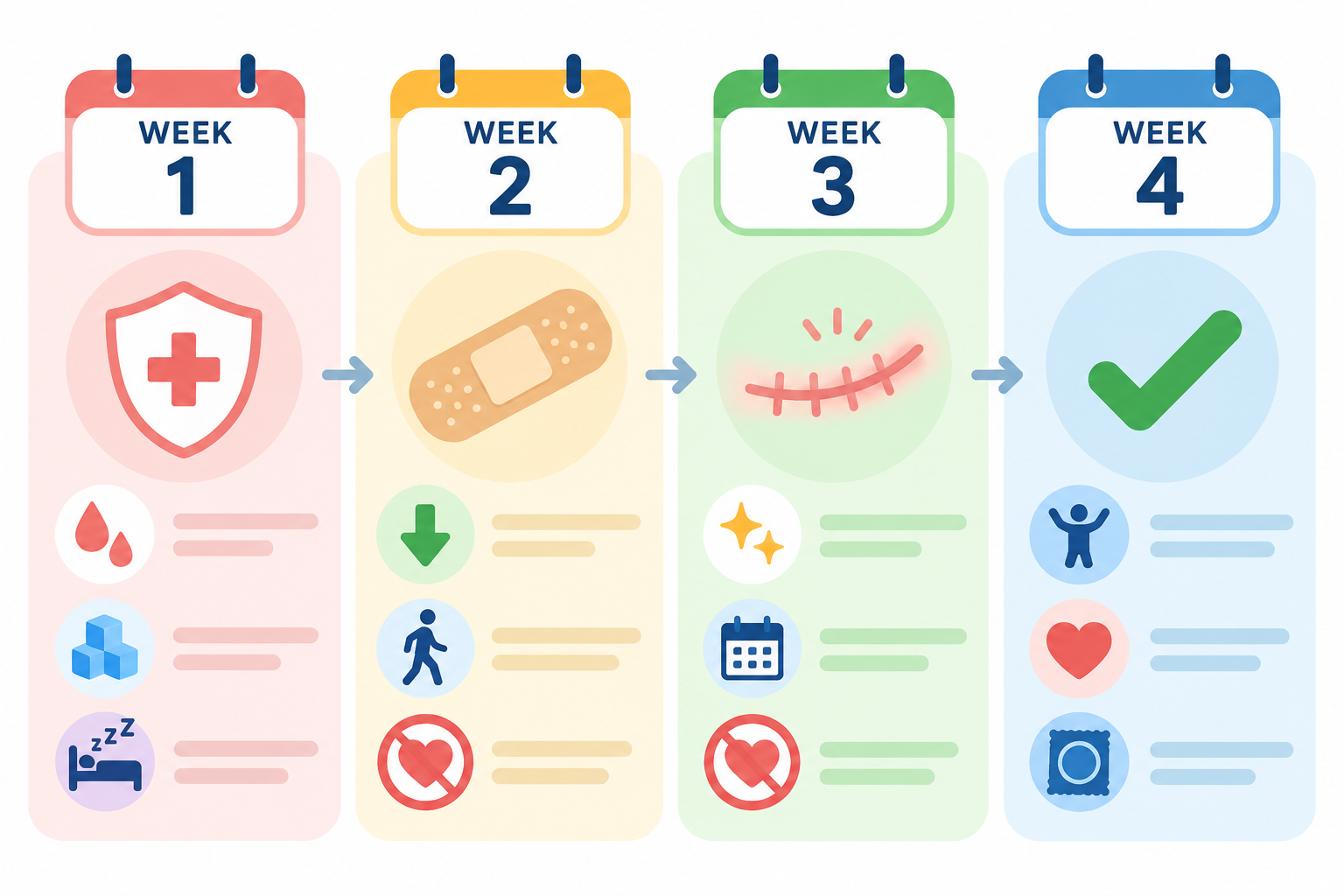
Recovery directly affects the final healing quality. Therefore, following proper aftercare instructions is extremely important.
Patients should:
- Keep the area clean and dry
- Avoid unnecessary friction
- Take prescribed medications regularly
- Wear comfortable, loose clothing
- Avoid strenuous exercise temporarily
- Attend follow-up appointments
Usually, recovery improves significantly within 2–4 weeks.
Following aftercare correctly helps maximize Aesthetic Circumcision Results.
Benefits of Cosmetic Circumcision Surgery
Patients often choose surgery because of both medical and cosmetic advantages.
Major benefits include:
Better Appearance
The procedure creates a smoother and cleaner skin contour.
Improved Hygiene
Cleaning becomes easier and reduces the risk.
Lower Infection Risk
Reduced moisture and bacterial buildup help maintain skin health.
Increased Comfort
Daily activities become more comfortable after healing.
Better Confidence
Many patients feel more comfortable with an improved appearance.
Because of these reasons, excellent Aesthetic Circumcision Results provide both physical and psychological benefits.
Risks and Possible Side Effects
Although the procedure is generally safe, every surgery carries some risks.
Possible complications include:
- Temporary swelling
- Mild discomfort during healing
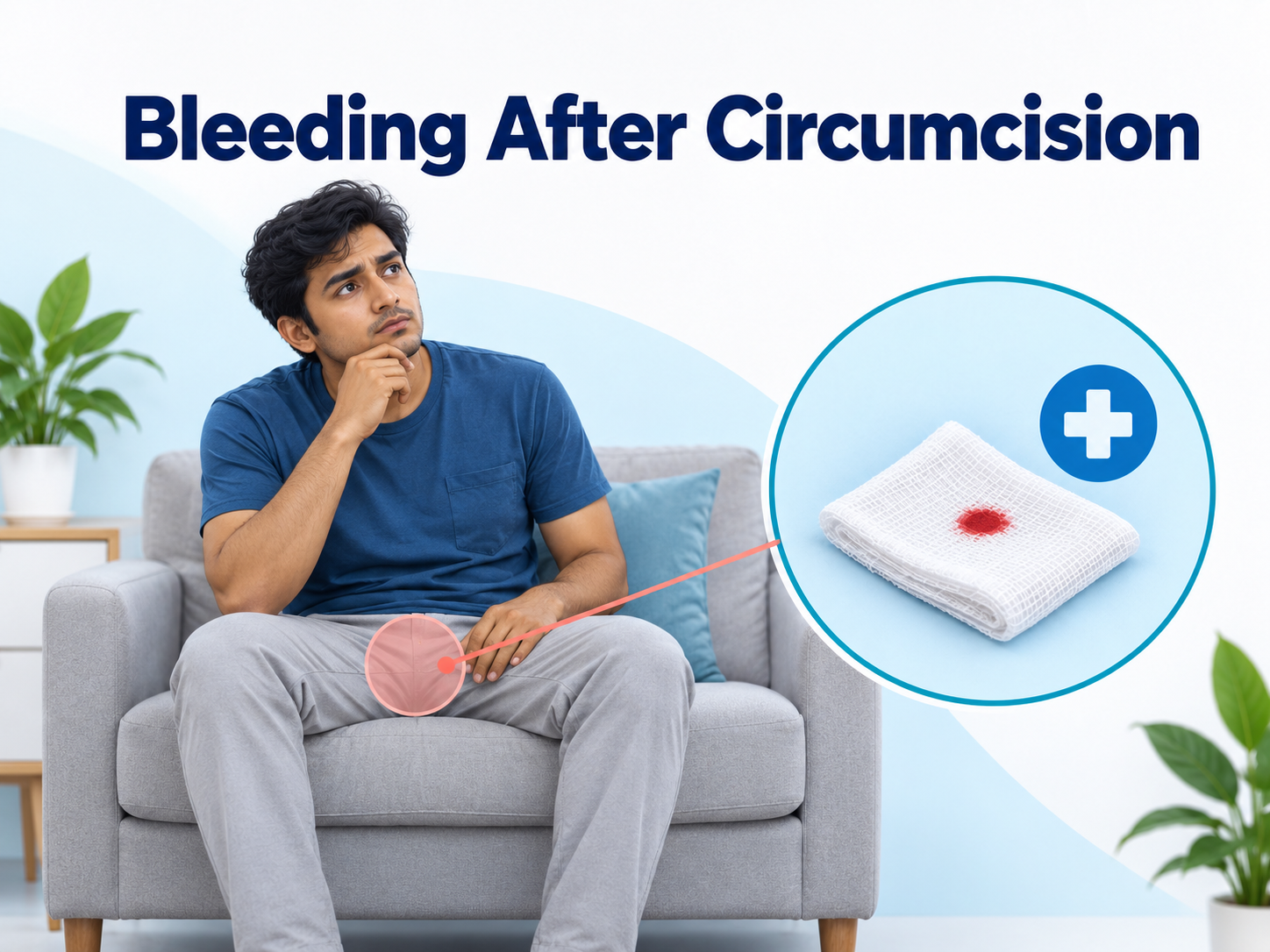
- Minor bleeding
- Infection in rare cases
- Delayed wound healing
- Temporary sensitivity changes
However, proper surgical technique significantly reduces these risks.
How Long Does It Take to See Final Results?
Most initial healing occurs within 2–4 weeks.
However, final Aesthetic Circumcision Results become more visible once swelling completely reduces and tissue settles naturally.
In most cases:
- Initial healing: 10–14 days
- Improved appearance: 3–4 weeks
- Final cosmetic result: 6–8 weeks
Patience during recovery helps achieve the best outcome.
Conclusion
Aesthetic Circumcision Results depend heavily on surgical precision, healing quality, and proper aftercare. Cosmetic circumcision surgery not only addresses medical concerns but also improves overall appearance, hygiene, and confidence.
At Elegance Clinic, Dr Ashutosh Shah performs advanced cosmetic circumcision procedures using modern techniques focused on safety, precision, and natural-looking outcomes. Choosing an experienced surgeon and following recovery instructions carefully can make a significant difference in achieving successful long-term results.
Book Your Consultation Today
If you are considering cosmetic circumcision and want safe surgery with excellent Aesthetic Circumcision Results, professional evaluation is the first step.
Schedule your consultation at Elegance Clinic and receive expert guidance from Dr Ashutosh Shah. Advanced surgical care, precision techniques, and patient-focused treatment can help you achieve the best cosmetic and functional outcome.
Considering treatment in Surat? Learn more about cosmetic circumcision in Surat, explore all adult circumcision options in Surat, or book an appointment with Dr. Ashutosh Shah.