What Makes One Baby Circumcision Method Safer Than Another?
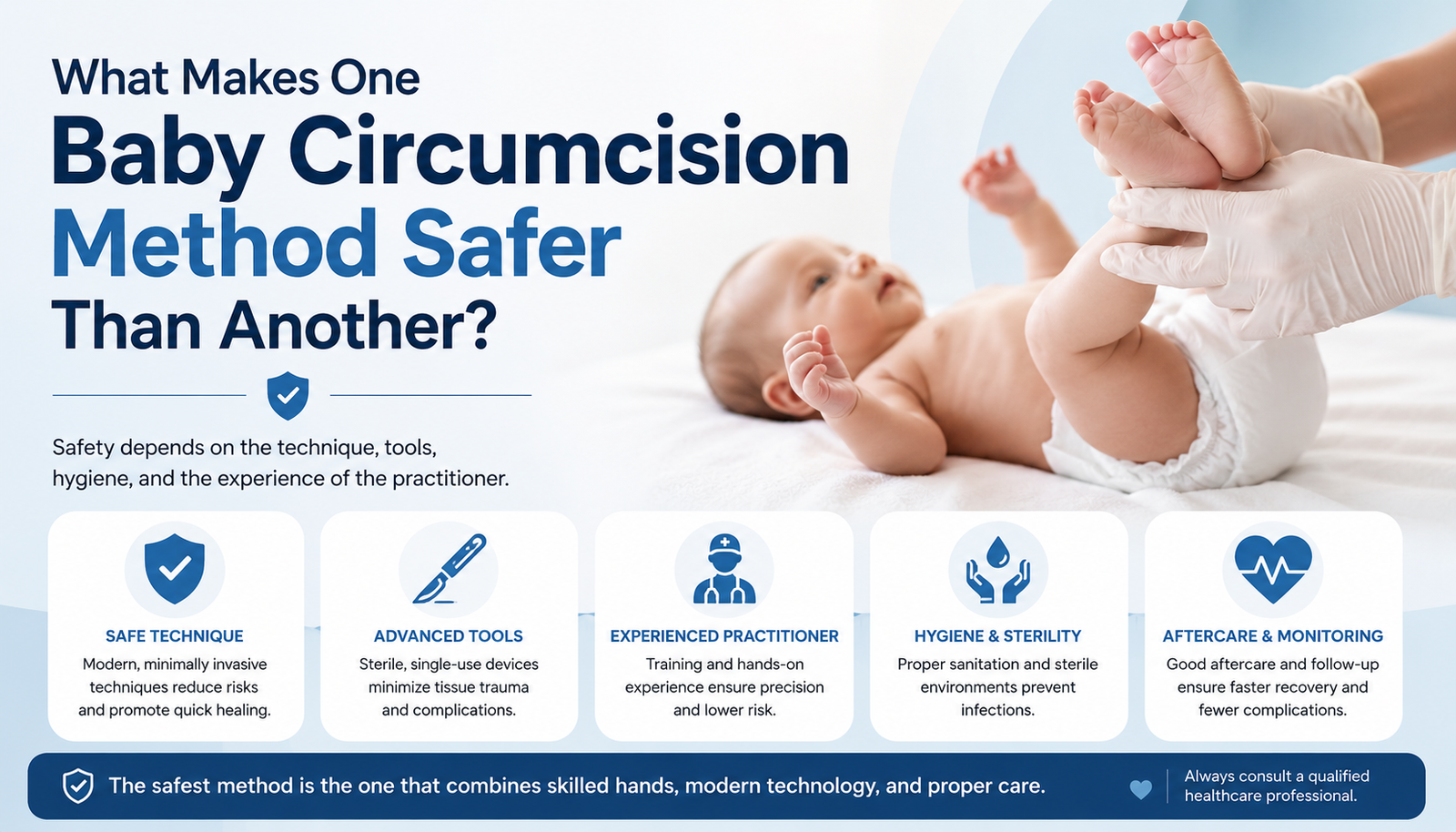
A baby circumcision safe method focuses on removing the foreskin using a medically controlled technique that reduces discomfort, lowers complication risk, and supports faster healing. Dr. Ashutosh Shah performs advanced circumcision procedures at Elegance Clinic using modern techniques designed for infant safety, hygiene improvement, and smooth recovery. Because proper surgical planning matters greatly, choosing a safe medical method becomes extremely important for parents.
Dr Ashutosh Shah’s Approach to Safe Baby Circumcision
Dr Ashutosh Shah performs circumcision procedures after careful medical evaluation to ensure maximum safety and comfort for newborns and infants. Since babies require gentle surgical care, every step focuses on minimising discomfort while maintaining proper hygiene standards.
Additionally, modern circumcision techniques allow for more predictable healing with reduced risk of complications. Therefore, parents often prefer medically supervised treatment rather than traditional methods.
Understanding Baby Circumcision
Baby circumcision is a minor surgical procedure where the foreskin covering the tip of the penis is removed. The procedure is commonly performed for medical, hygienic, cultural, or religious reasons.
In many cases, parents choose circumcision early because infants generally heal faster than older children. Moreover, proper medical care helps ensure a smooth recovery with minimal discomfort.
Why Parents Consider Circumcision
There are several reasons families choose circumcision for infants.
Improved Hygiene
Removing the foreskin can make cleaning easier and help maintain better genital hygiene.
Reduced Risk of Infection
In some situations, circumcision may reduce the risk of certain urinary tract infections during infancy.
Prevention of Foreskin Tightness
Some babies may later develop conditions where the foreskin becomes difficult to retract properly.
Cultural or Religious Reasons
For many families, circumcision forms part of important cultural or religious traditions.
Because every child is different, proper medical consultation helps determine the most appropriate approach.
Symptoms or Conditions That May Require Circumcision
Although many circumcisions are elective, some medical concerns may lead parents to consider treatment.
Common Conditions Include
-
Tight foreskin (phimosis)
-
Recurrent local infections
-
Difficulty cleaning beneath the foreskin
-
Inflammation around the foreskin
-
Pain during urination in certain conditions
-
Repeated foreskin swelling
Therefore, early medical assessment helps avoid future complications.
Diagnosis Before Circumcision
A doctor performs a complete physical examination before recommending the procedure.
Medical Evaluation Includes
-
Checking foreskin structure
-
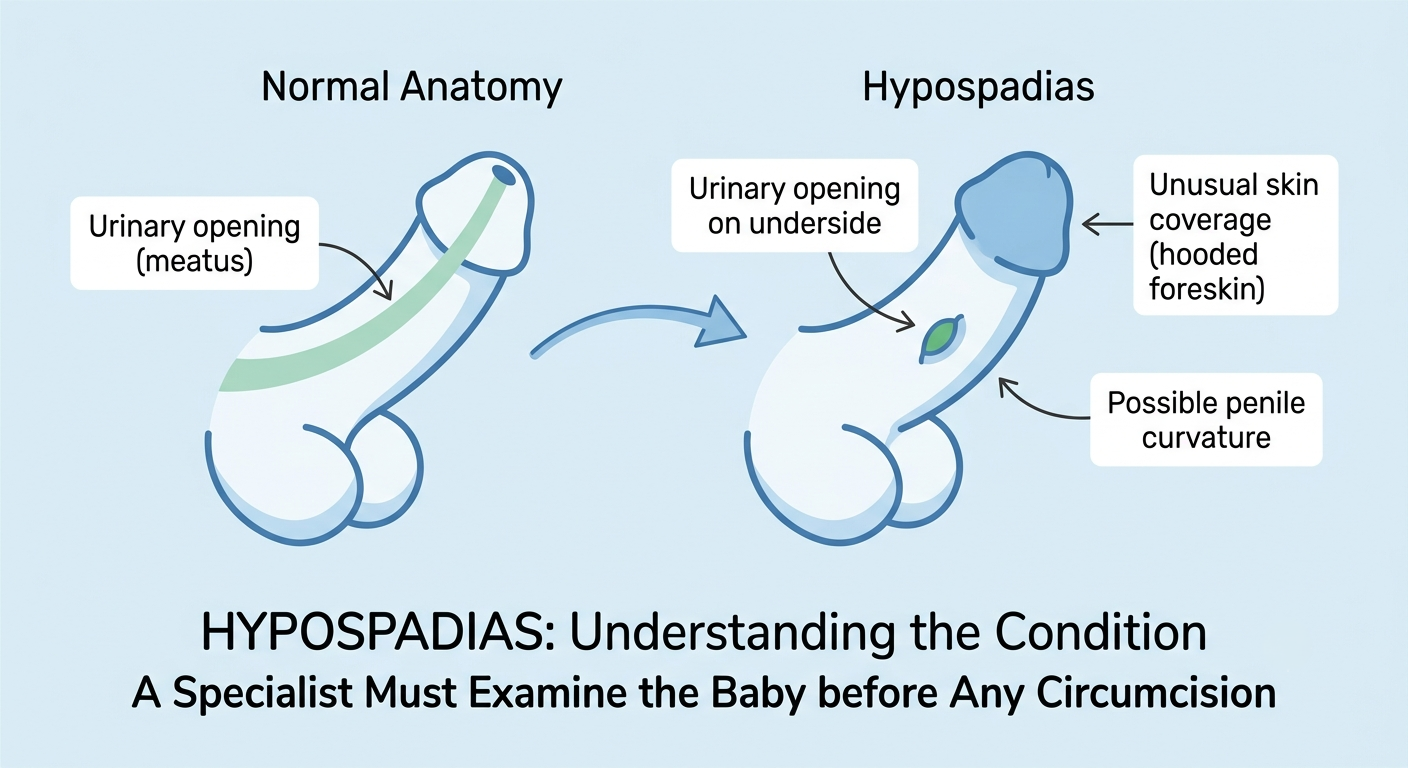
Examining for congenital abnormalities
-
Assessing overall baby health
-
Reviewing birth history if necessary
-
Evaluating for active infection
As a result, the safest treatment plan can be selected.
Treatment Options for Safe Circumcision
Several circumcision methods are available, although modern medical techniques often provide better precision and healing outcomes.
Conventional Surgical Circumcision
Traditional circumcision removes the foreskin surgically using standard surgical instruments.
Plastibell Circumcision
Plastibell Circumcision is widely considered one of the preferred modern techniques for infants because it is designed to make healing simpler and safer.
Since the procedure uses a special medical ring device, tissue removal occurs gradually and naturally during healing.
Plastibell Circumcision Procedure Explained
The baby circumcision safe method using Plastibell follows a carefully controlled medical process.
Step 1: Initial Examination
The doctor examines the baby to confirm suitability for treatment.
Step 2: Local Anesthesia
A safe numbing technique helps minimize discomfort during the procedure.
Step 3: Foreskin Separation
The foreskin is gently separated to prepare the treatment area.
Step 4: Plastibell Ring Placement
A sterile plastic ring is positioned carefully around the tip of the penis.
Step 5: Thread Securing
A surgical thread is tied around the foreskin to stop blood flow to the excess tissue.
Step 6: Natural Tissue Separation
Over several days, the excess foreskin naturally separates, and the ring falls off automatically.
As a result, healing usually progresses without major discomfort.
Recovery and Aftercare
Aftercare remains extremely important for safe healing.
Immediate Recovery
In the first few days:
-
Mild swelling is normal
-
Slight redness may occur
-
The baby may feel temporary irritation
Home Care Instructions
Parents should:
-
Keep the area clean and dry
-
Change diapers regularly
-
Avoid unnecessary pressure on the area
-
Follow medication instructions carefully
Healing Period
Most babies recover gradually over several days while the Plastibell ring falls off naturally.
Because infants heal quickly, recovery is often smooth when aftercare is followed properly.
Risks and Benefits
Every medical procedure involves possible risks along with expected benefits.
Benefits
-
Improved hygiene management
-
Reduced future foreskin problems
-
Lower infection risk in certain cases
-
Faster infant healing
-
Controlled medical procedure
-
Minimal tissue trauma with modern techniques
Possible Risks
-
Temporary swelling
-
Mild irritation
-
Minor bleeding
-
Delayed ring separation
-
Rare infection if hygiene is poor
However, professional surgical care significantly reduces complication risk.
Why Safety Matters in Baby Circumcision
Parents often focus on choosing the safest available technique. Because infants have delicate tissues, proper surgical precision becomes essential.
Additionally, procedures performed under medical supervision allow better infection control and faster management if complications arise.
Therefore, selecting an experienced surgeon plays an important role in treatment success.
Long-Term Outcomes
Most babies recover fully without long-term problems after a properly performed circumcision.
In addition, modern techniques help create smooth healing with minimal visible scarring.
Because early treatment usually heals faster, many families prefer infant circumcision when medically appropriate.
Conclusion
Choosing a baby circumcision safe method requires careful attention to safety, hygiene, surgical precision, and proper recovery planning. Modern techniques such as Plastibell circumcision offer a controlled and effective approach for infant circumcision with reduced discomfort and reliable healing. At Elegance Clinic, advanced circumcision procedures performed by Dr. Ashutosh Shah focus on safety, comfort, and optimal long-term outcomes for every child.
Considering treatment in Surat? Learn more about pediatric circumcision in Surat, explore all adult circumcision options in Surat, or book an appointment with Dr. Ashutosh Shah.