Can Circumcision Improve the Appearance of the Penis?
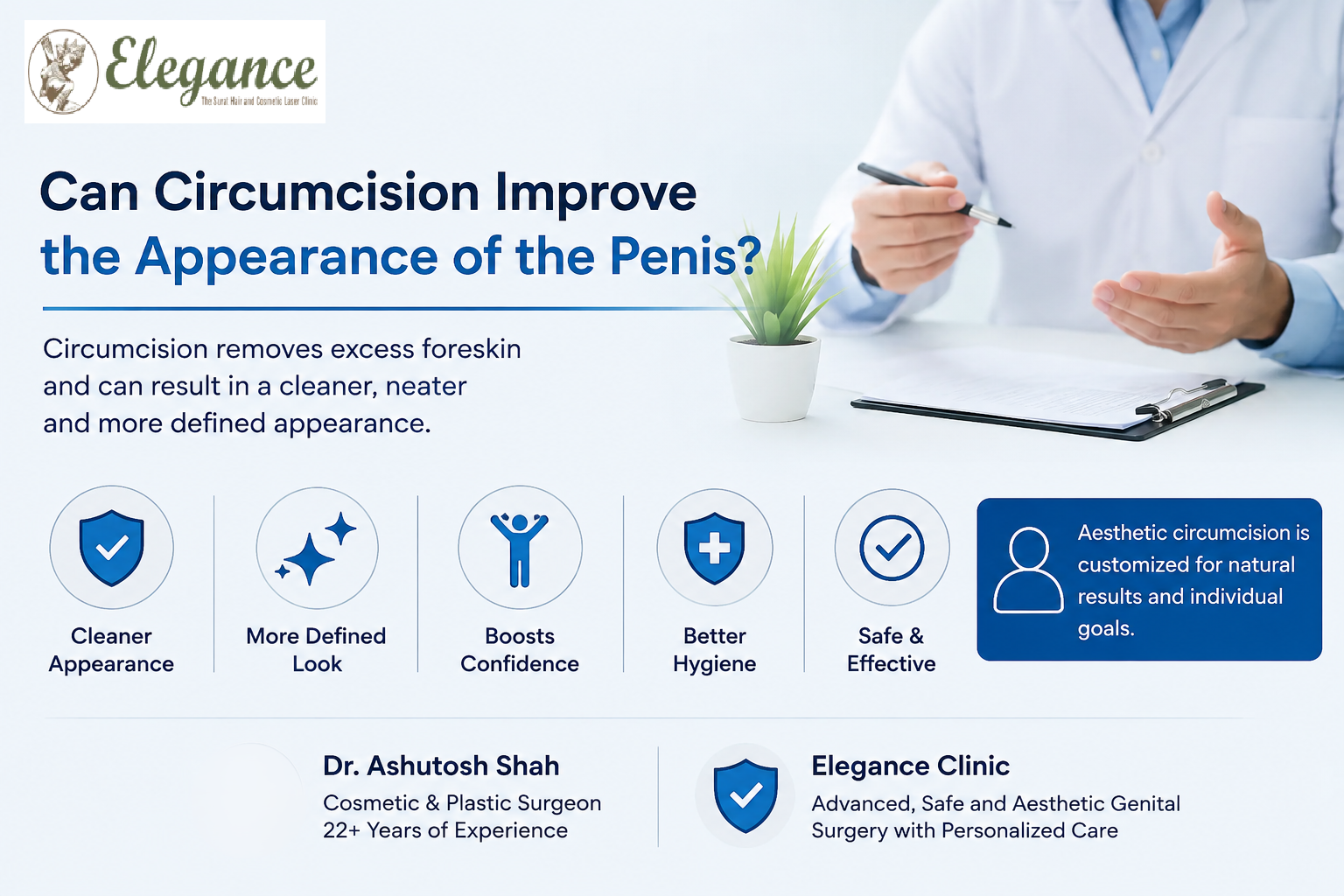
Yes, circumcision can change and, for some men, improve the appearance of the penis. The procedure removes the foreskin covering the head of the penis, leaving the glans exposed. However, whether the result looks better is subjective and depends on individual anatomy, expectations, healing, and the surgical technique used.
At Elegance Clinic, aesthetic genital circumcision is described as an approach that focuses on both functional and cosmetic considerations, including removing excess foreskin while aiming for a clean and balanced appearance.
How Can Circumcision Change Penis Appearance?
The foreskin normally covers the glans when the penis is relaxed. During circumcision, the surgeon removes some or all of the foreskin, so the glans remains exposed after healing.
This can create several visible changes:
- The glans remains exposed.
- Excess foreskin is removed.
- The transition between the glans and shaft becomes more visible.
- The penis may have a cleaner, more defined appearance.
- The circumcision scar becomes part of the final appearance.
The exact result varies according to the amount of foreskin removed, incision placement, individual anatomy, and healing.
What Is Aesthetic Circumcision?
Aesthetic circumcision focuses not only on foreskin removal but also on the cosmetic appearance of the healed penis. The surgical plan can consider factors such as the amount of excess foreskin, incision placement, symmetry, and the expected appearance after healing.
Elegance Clinic describes its aesthetic genital circumcision service as an advanced circumcision procedure focused on both functional and cosmetic improvement.
This makes it different from simply viewing circumcision as a procedure to remove the foreskin. The surgeon also considers the desired cosmetic outcome.
Can Circumcision Make the Penis Look More Symmetrical?
It can sometimes improve the appearance of an uneven or excessive foreskin. However, circumcision cannot guarantee perfect symmetry.
Natural penile anatomy varies from person to person. The position of the frenulum, shaft skin, glans shape, and healing response can all affect the final appearance.
Therefore, the goal should be a natural and balanced result, rather than mathematical symmetry.
Does Circumcision Remove Excess Foreskin?
Yes. Removing the foreskin is the primary part of circumcision. The amount removed can vary depending on the technique and the individual's anatomy.
The surgeon should discuss how much skin will be removed and what type of cosmetic result can reasonably be expected before surgery.
Does Circumcision Leave a Scar?
Yes. Circumcision creates an incision line, so a scar can remain after healing. Over time, the scar generally becomes less noticeable, although its final appearance varies between individuals.
Some men may develop a more visible scar, while others have a relatively subtle one. Scar appearance can depend on surgical technique, wound healing, skin characteristics, and aftercare.
Because cosmetic dissatisfaction can occur after circumcision, it is important to discuss expectations with the surgeon before the procedure.
How Long Does It Take for the Appearance to Settle?
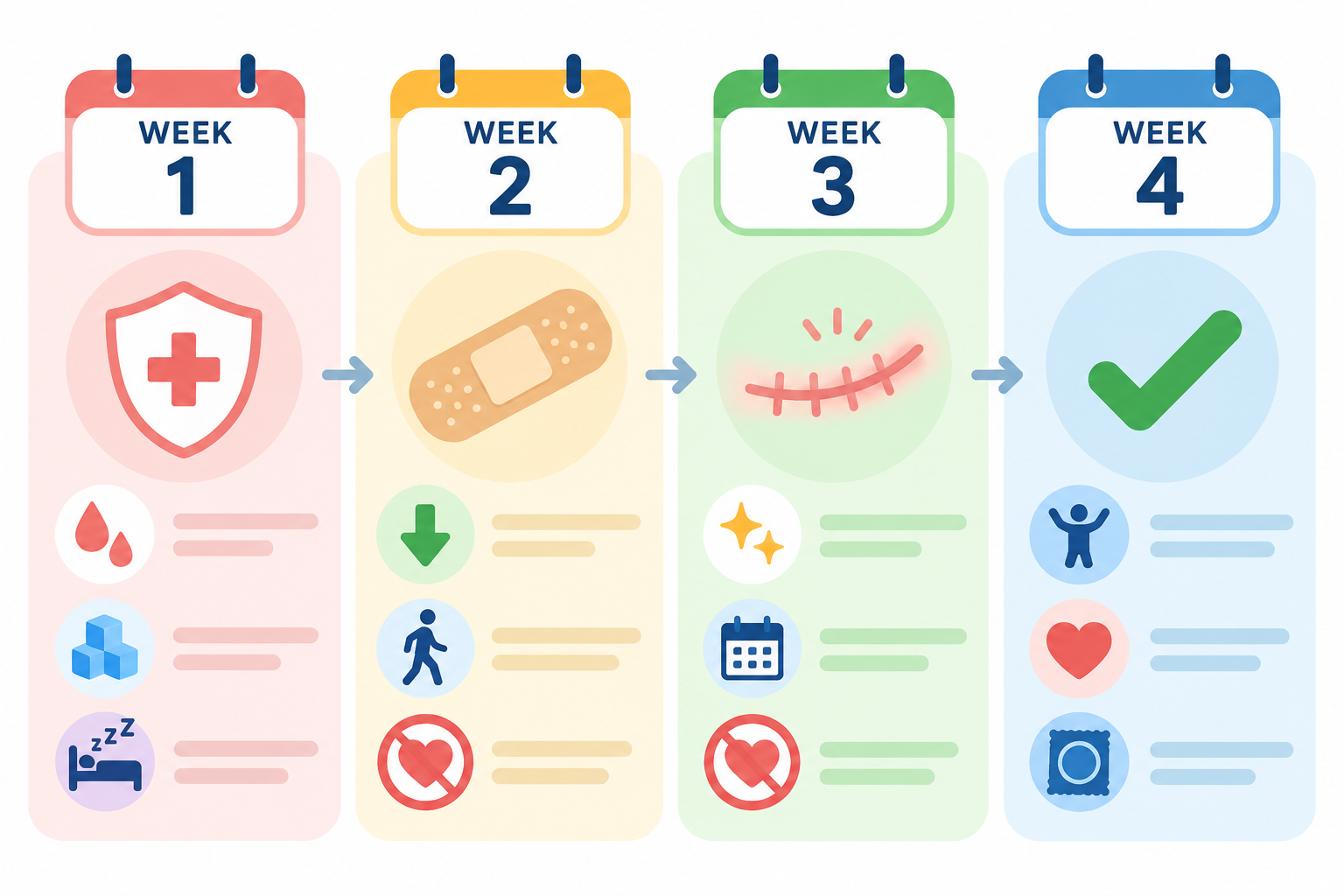
The penis can look swollen, bruised, or irregular during the early healing period. This does not necessarily represent the final cosmetic result.
NHS guidance states that adult circumcision generally takes around 4 to 6 weeks to heal, although healing can take longer in some people.
Some hospital guidance also notes that the final cosmetic appearance can take several weeks to become clear.
Therefore, judging the appearance immediately after surgery can be misleading.
Can Circumcision Improve Hygiene as Well as Appearance?
Circumcision may make cleaning the penis easier because the foreskin no longer covers the glans. However, the main reason for an aesthetic circumcision is cosmetic preference rather than guaranteed medical benefit.
Circumcision is also performed for medical conditions such as recurrent infections or phimosis, depending on the individual situation.
Can Circumcision Make the Penis Larger?
No. Circumcision does not increase the actual length or girth of the penis.
Removing excess foreskin can make more of the glans visible and may change the visual appearance of the penis. This can sometimes create the impression of a more defined penis, but it does not increase the underlying penile dimensions.
Does Circumcision Affect Sexual Function?
Circumcision changes the anatomy of the penis, so the sensation and movement of the skin can feel different after healing. NHS guidance notes that some men may notice changes in sensitivity, although these changes do not necessarily have a major long-term effect on sexual activity.
Anyone considering circumcision for cosmetic reasons should discuss potential changes in sensation with their surgeon before making a decision.
Is Aesthetic Circumcision Suitable for Every Man?
Not necessarily. A consultation is important before elective cosmetic circumcision.
The surgeon can assess:
- Foreskin anatomy
- Skin excess
- Previous penile procedures
- Existing medical conditions
- Desired cosmetic outcome
- Healing considerations
- Expectations about scarring and appearance
A cosmetic procedure should be considered carefully because results cannot always be reversed or guaranteed.
What Can You Expect From Aesthetic Circumcision at Elegance Clinic?
At Elegance Clinic, Dr. Ashutosh Shah, a board-certified Plastic, Reconstructive and Cosmetic Surgeon, brings more than 22 years of surgical experience to aesthetic and reconstructive procedures. He is also the Director of Elegance Clinic and has extensive experience in cosmetic and plastic surgery.
Final Thoughts
Circumcision can improve the appearance of the penis for some men, particularly when excess foreskin or an unwanted foreskin appearance is the main concern. However, the result is personal, and circumcision does not increase penile size or guarantee a perfectly symmetrical appearance.
If your primary goal is cosmetic improvement, an aesthetic circumcision consultation can help you understand what changes are realistic for your individual anatomy.