
Can Preputioplasty Treat Phimosis Without Circumcision?
Yes. Preputioplasty can treat certain cases of phimosis without circumcision. It is a foreskin-preserving surgical procedure that widens the tight part of the foreskin through small incisions rather than removing the foreskin completely.
Preputioplasty may be considered when a person wants to preserve the foreskin and the condition is suitable for this approach. However, it is not appropriate for every case of phimosis. Severe scarring, recurrent infections, certain skin conditions, or significant foreskin damage may make circumcision a more suitable treatment.
What Is Preputioplasty?
Preputioplasty is a minor surgical procedure designed to widen a tight foreskin. The surgeon makes carefully placed incisions in the narrowed foreskin and closes them in a way that increases the opening.
Unlike circumcision, which removes part or all of the foreskin, preputioplasty preserves most or all of the foreskin.
How Does Preputioplasty Help Phimosis?
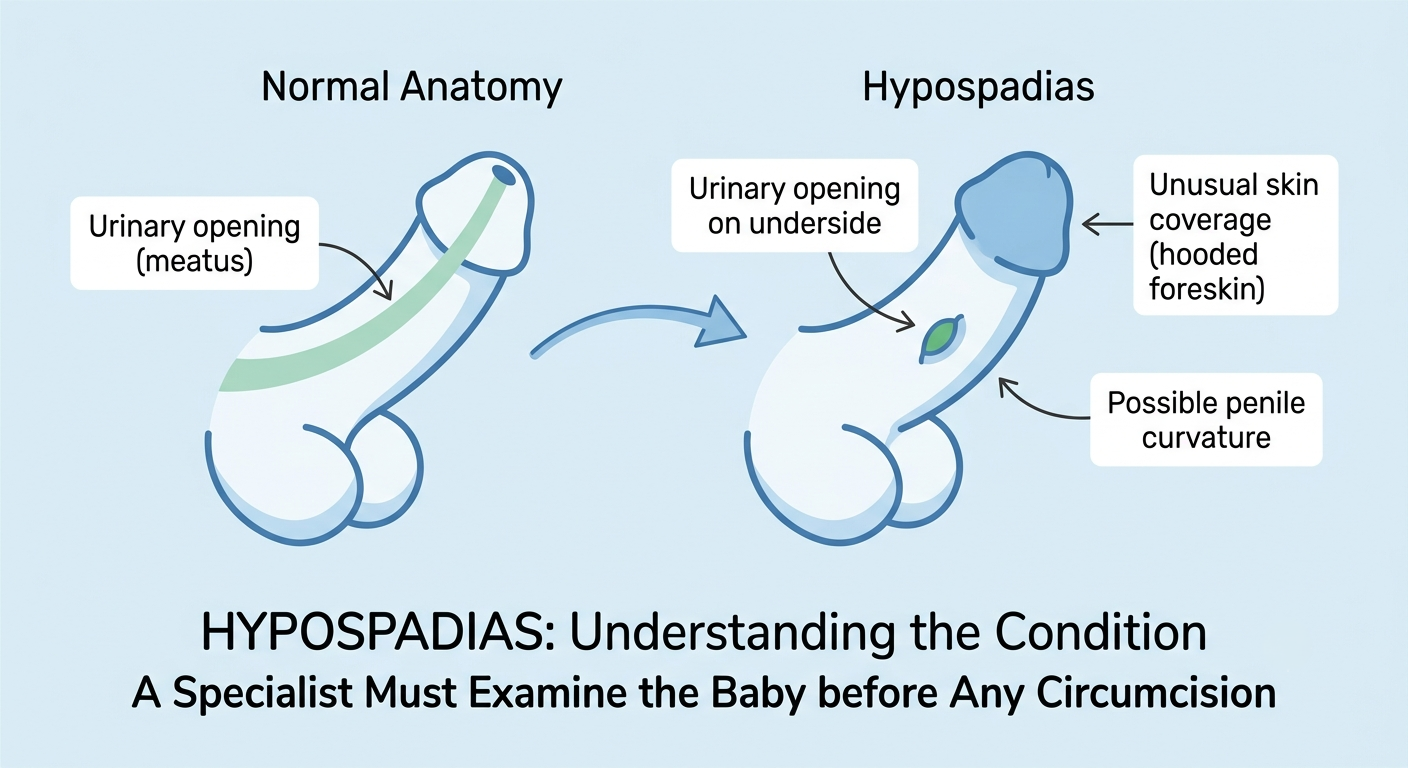
Phimosis occurs when the foreskin cannot retract comfortably over the head of the penis.
When a tight ring of foreskin causes the problem, preputioplasty can widen this narrowed area. After healing, the increased opening may make foreskin retraction easier and more comfortable.
The main goal is to relieve tightness while preserving the foreskin.
Who May Be Suitable for Preputioplasty?
A doctor needs to examine the foreskin before deciding whether preputioplasty is appropriate.
It may be an option when:
- The foreskin has a localized area of tightness
- The patient wants to preserve the foreskin
- Conservative treatment has not provided sufficient improvement
- There is no extensive scarring or significant tissue damage
- The surgeon considers foreskin-preserving surgery appropriate
Treatment should therefore depend on the cause and severity of phimosis, rather than choosing a procedure based only on personal preference.
Is Preputioplasty Better Than Circumcision?
Neither procedure is automatically better for everyone.
Preputioplasty aims to widen the foreskin while preserving it. Circumcision removes the tight foreskin and may provide a more definitive option in cases where significant scarring, recurrent problems, or other foreskin conditions are present.
A surgeon can assess the foreskin and explain which approach is more appropriate for the individual case.
Can Phimosis Be Treated Without Any Surgery?
Sometimes. Depending on the cause and severity, a doctor may initially recommend conservative treatment such as a prescribed topical steroid combined with gentle stretching.
Patients should avoid forcefully retracting a tight foreskin because this can cause pain, small tears, bleeding, and additional scarring.
If conservative treatment does not work, the doctor can discuss surgical options such as preputioplasty or circumcision.
What Is Recovery Like After Preputioplasty?
Some swelling, tenderness, or discomfort can occur during the initial healing period. Patients receive instructions about wound care, hygiene, activity, and when they can safely resume sexual activity.
Following the surgeon's aftercare instructions is important for proper healing.
Can Phimosis Return After Preputioplasty?
Yes, recurrence is possible. Because preputioplasty preserves the foreskin, narrowing can sometimes develop again.
The likelihood depends on factors such as the underlying cause of phimosis, degree of scarring, healing, and individual anatomy. Your surgeon should discuss this possibility before treatment.
When Should You See a Doctor for Phimosis?
Consider a medical evaluation if foreskin tightness causes pain, difficulty retracting the foreskin, recurrent inflammation or infection, painful erections, hygiene difficulties, or problems with urination. A physical examination can establish whether conservative treatment, preputioplasty, circumcision, or another approach is appropriate. For an individualized assessment, you can consult Dr. Ashutosh Shah at Elegance Clinic, an experienced Plastic, Cosmetic & Reconstructive Surgeon with 22+ years of surgical experience, who can evaluate the severity and cause of phimosis and recommend a suitable treatment option.
The Bottom Line
Preputioplasty can treat phimosis without circumcision in appropriately selected patients. Its main advantage is that it widens the tight foreskin while preserving the foreskin itself. However, it is not suitable for every case, particularly when substantial scarring or other foreskin disease is present.
A clinical examination is the best way to determine whether preputioplasty, conservative treatment, or circumcision is the most appropriate option.