How Bad Circumcision Correction Surgery Fixes Failed Results
Bad circumcision correction is a surgical procedure performed when a previous circumcision has healed unevenly, caused discomfort, left excess skin, or created cosmetic concerns. Dr Ashutosh Shah performs advanced corrective treatment to improve both appearance and function while helping patients achieve better long-term results. Although circumcision is a common procedure, poor healing or surgical irregularities sometimes require professional correction.
What Is Bad Circumcision Correction?
Bad circumcision correction refers to a procedure used to repair problems caused by an unsatisfactory circumcision outcome. In some cases, the previous procedure may leave uneven skin, scar tissue, excess foreskin, or tightness that causes discomfort.
Because circumcision affects both function and appearance, correcting the problem becomes important when healing does not occur properly.
Common correction goals include:
- Improving cosmetic appearance
- Correcting uneven skin removal
- Reducing scar tissue
- Improving hygiene
- Restoring comfort during daily activities
Common Causes of Bad Circumcision
There are several reasons why circumcision results may become unsatisfactory. Identifying the cause helps determine the correct treatment plan.
Uneven Skin Removal
Sometimes, too much skin is removed from one side while the opposite side remains uneven. As a result, the final appearance looks asymmetrical.
Incomplete Circumcision
In certain cases, excess foreskin remains after surgery. Consequently, patients may feel the procedure was incomplete.
Excess Skin Removal
If too much foreskin is removed, tightness may develop during erections. Therefore, movement can become uncomfortable.
Poor Surgical Technique
Improper surgical handling may create irregular wound edges, asymmetry, or cosmetic dissatisfaction.
Infection During Healing
Poor wound care after surgery sometimes causes infection. As healing worsens, scar tissue may begin forming.
Excess Scar Formation
Some patients naturally develop thicker scar tissue after healing, which affects both appearance and comfort.
Symptoms That May Indicate Circumcision Correction Is Needed
Patients usually notice visible or functional changes when circumcision healing does not progress normally.
Common symptoms include:
- Uneven circumcision line
- Excess foreskin remaining
- Tight penile skin
- Pain during erections
- Visible scar tissue
- Skin folds around the surgical area
- Discomfort during movement
- Irregular healing pattern
- Cosmetic dissatisfaction
Although mild swelling is normal initially, persistent problems should be evaluated.
Diagnosis Before Treatment
A proper diagnosis helps determine the exact cause of the circumcision problem. Because every case differs, careful evaluation is necessary.
Physical Examination
Doctors carefully examine the circumcision area to assess skin irregularities and healing quality.
Skin Evaluation
The remaining skin is checked to determine whether excessive or insufficient tissue was removed.
Scar Tissue Assessment
Scar thickness and tissue healing are examined before planning surgery.
Functional Assessment
The area is evaluated to determine whether tightness or discomfort affects movement.
This evaluation helps create an individualized treatment plan.
Treatment Options for Bad Circumcision Correction
Treatment depends on the severity of the original circumcision problem.
Observation and Monitoring
Minor irregularities sometimes improve naturally over time. Therefore, surgery may not always be necessary immediately.
Scar Management
Small scar-related concerns may improve through conservative management if symptoms remain mild.
Revision Circumcision Surgery
Significant complications usually require Revision Circumcision Surgery. This procedure helps correct both cosmetic and functional concerns.
Surgery can address:
- Uneven skin removal
- Excess remaining foreskin
- Tight penile skin
- Scar tissue problems
- Cosmetic irregularities
As a result, appearance and comfort improve significantly.
Revision Circumcision Surgery Procedure
The procedure is planned according to the specific correction required.
Step 1: Pre-Surgical Assessment
Doctors examine the previously treated area and determine the amount of correction required.
Step 2: Anesthesia
The procedure is performed under anesthesia to maintain patient comfort.
Step 3: Removal of Irregular Tissue
Excess scar tissue or improperly healed tissue is carefully corrected.
Step 4: Skin Reshaping
The skin is adjusted to create better symmetry and a smoother appearance.
Step 5: Precise Closure
The surgical site is carefully closed to support better healing.
Because precision matters greatly, proper surgical planning remains important.
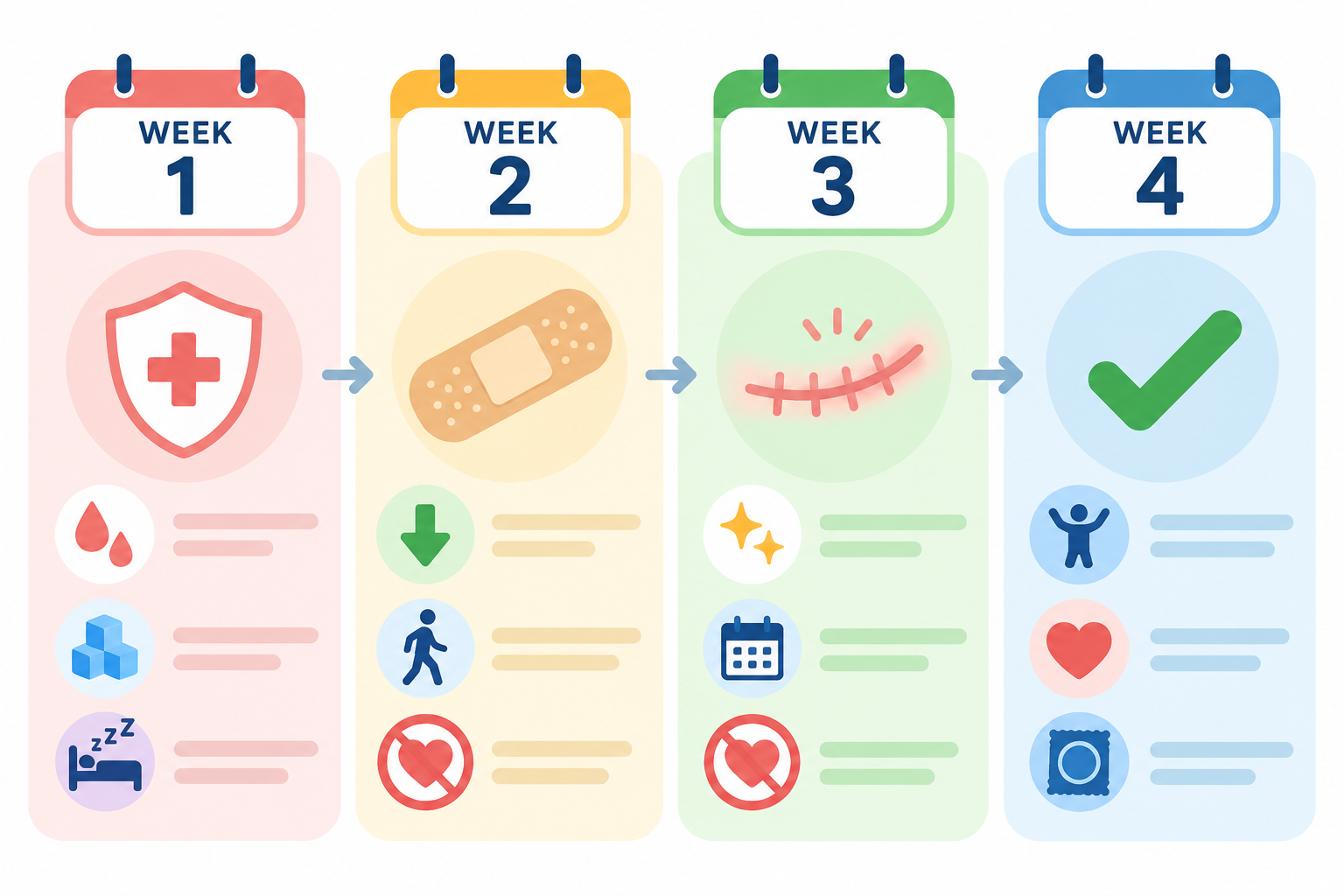
Recovery After Revision Circumcision Surgery
Recovery depends on the amount of correction performed. However, most patients recover gradually over a few weeks.
Common temporary effects include:
- Mild swelling
- Temporary tenderness
- Minor bruising
- Temporary discomfort during movement
Because healing differs for each patient, follow-up monitoring remains important.
Aftercare Instructions Following Surgery
Proper aftercare improves healing and helps prevent complications.
Maintain Hygiene
Keeping the treated area clean reduces infection risk.
Avoid Tight Clothing
Loose clothing helps reduce irritation around the surgical area.
Avoid Heavy Exercise
Physical strain should be avoided during the early recovery phase.
Take Prescribed Medication
Medication helps control discomfort and supports healing.
Attend Follow-Up Visits
Regular follow-up allows healing progress to be monitored properly.
Therefore, following instructions carefully helps improve final results.
Benefits of Bad Circumcision Correction
Corrective surgery offers several important advantages.
Better Appearance
The circumcision line becomes smoother and more symmetrical.
Improved Comfort
Tightness and discomfort often improve significantly.
Better Hygiene
Excess skin problems affecting cleanliness can be corrected.
Reduced Scar Irregularities
Scar tissue can often be improved surgically.
Better Confidence
Patients often feel more comfortable after correction.
Risks Associated With Surgery
Like all surgical procedures, some risks can occur.
Possible risks include:
- Mild bleeding
- Temporary swelling
- Infection risk
- Delayed healing
- Scar formation
- Temporary discomfort
However, proper surgical planning helps minimize complications significantly.
Who May Need Revision Circumcision Surgery?
Treatment may be necessary if:
- The previous circumcision healed unevenly
- Excess foreskin remains
- Skin feels tight during erections
- Scar tissue affects appearance
- Cosmetic dissatisfaction exists
- Daily comfort is affected
Early evaluation often helps determine the best correction plan.
Conclusion
Bad circumcision correction helps fix complications caused by uneven healing, excess skin, scar tissue formation, and cosmetic dissatisfaction after an unsatisfactory circumcision procedure. Proper diagnosis helps determine the most suitable corrective treatment based on individual needs.
At Elegance Clinic, advanced revision circumcision procedures help restore comfort, improve appearance, and provide better long-term functional results through carefully planned surgical correction.
Considering treatment in Surat? Learn more about circumcision revision surgery in Surat, explore all adult circumcision options in Surat, or book an appointment with Dr. Ashutosh Shah.