How Do I Know If My Revision Circumcision Is Infected?
After revision circumcision, some swelling, bruising, tenderness, sensitivity, and minor bleeding can be part of normal healing. However, increasing redness, warmth, pus, foul-smelling discharge, fever, worsening pain, or difficulty urinating can indicate an infection and should be evaluated by a doctor.
Because revision circumcision involves a surgical wound, proper aftercare and monitoring are important. If you are unsure whether your symptoms are normal, contacting your surgeon is safer than trying to diagnose the infection yourself.
What Are the Signs of Infection After Revision Circumcision?
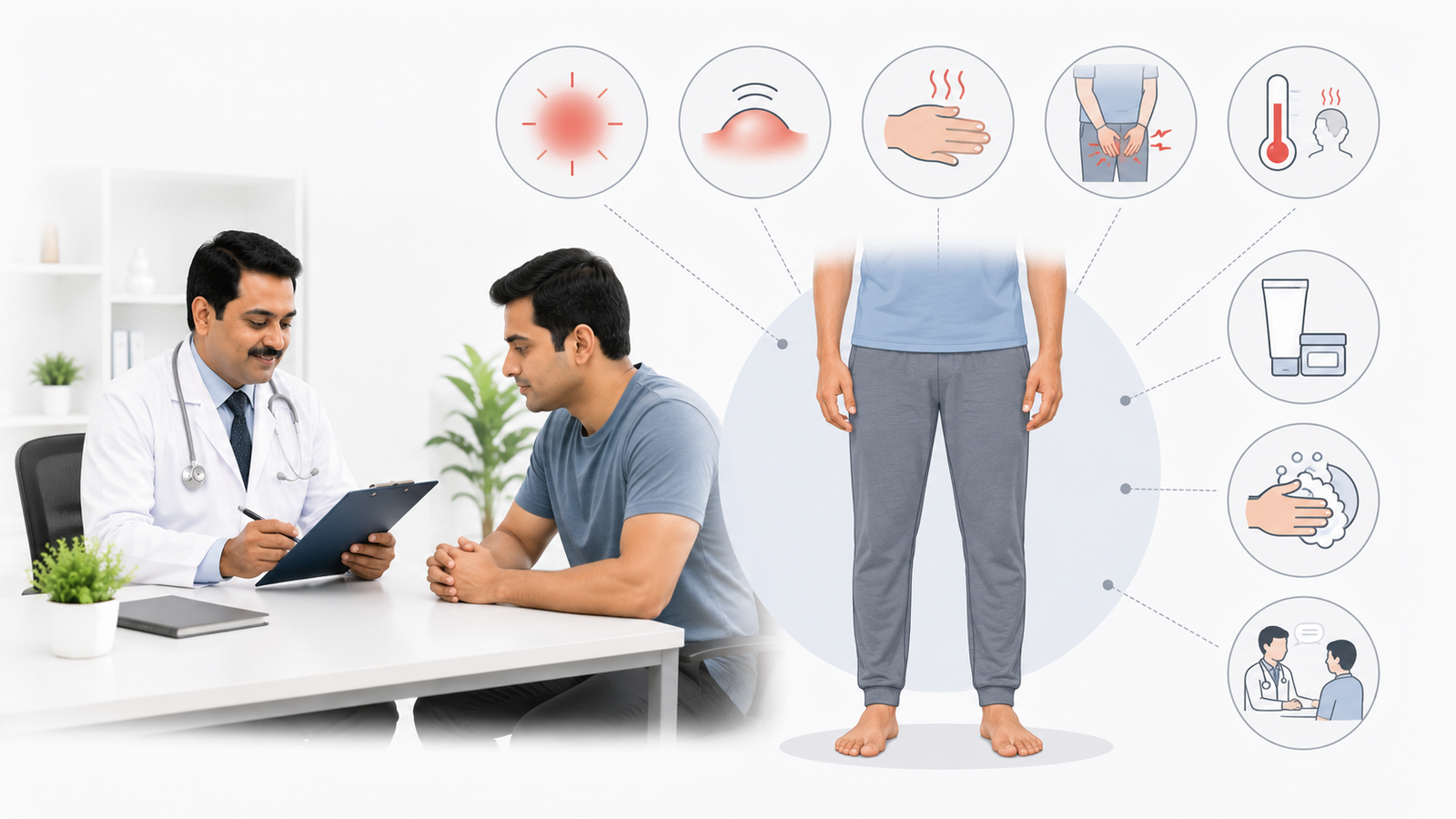
Some of the most important warning signs include:
- Increasing redness around the wound
- Skin that feels unusually warm
- Swelling that is worsening instead of improving
- Thick or cloudy discharge, especially pus
- Bad or foul smell from the wound
- Increasing or severe pain
- Fever, chills, or feeling unwell
- The wound opening or becoming larger
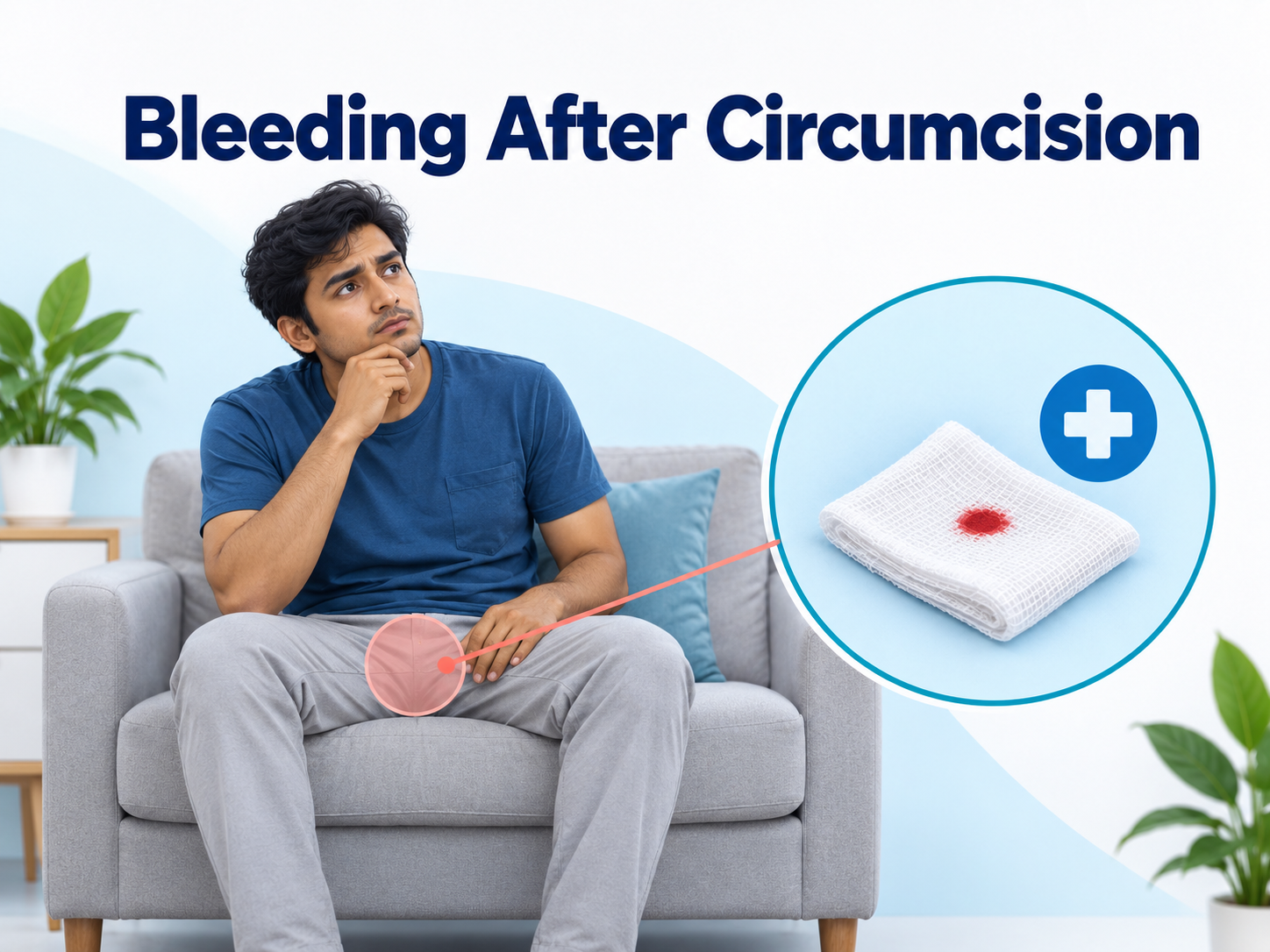
- Persistent or increasing bleeding
- Difficulty passing urine
A small amount of swelling, bruising, sensitivity, and minor blood or yellowish fluid can occur during normal healing. What matters is whether symptoms are improving or becoming progressively worse.
Is Swelling Normal After Revision Circumcision?
Yes, some swelling can be normal after circumcision revision. The penis may also look red or purple during the early healing period, and the area can remain sensitive for some time.
However, swelling that continues to increase, becomes associated with warmth and spreading redness, or occurs with pus, fever, or worsening pain should be checked by a healthcare professional.
How Is Normal Healing Different From an Infection?
Normal healing generally becomes gradually more comfortable over time. Bruising and swelling should settle progressively, while the wound should begin to heal.
An infection is more concerning when symptoms are getting worse rather than better. For example, increasing redness extending beyond the wound, cloudy discharge, unpleasant odor, increasing pain, fever, or chills can suggest an infection.
When in doubt, your surgeon should examine the wound.
What Causes Infection After Revision Circumcision?
Infections can occur when bacteria enter a surgical wound. Risk can be influenced by wound care, hygiene, existing medical conditions, smoking, nutrition, immune function, and other factors that affect healing.
Following the postoperative instructions provided by your surgeon can help reduce the risk.
What Should I Do If I Think My Revision Circumcision Is Infected?
Contact your surgeon or healthcare provider promptly if you notice signs such as pus, foul-smelling discharge, increasing redness or warmth, fever, chills, or worsening pain.
Do not squeeze the wound, remove stitches yourself, or apply antibiotics, antiseptics, or other medicines without medical advice. Treatment depends on what is causing the problem and how serious the infection is.
Your healthcare provider may examine the wound and decide whether additional treatment is needed.
Can an Infection Affect Healing?
Yes. An untreated surgical wound infection can interfere with normal healing and may cause the wound to open or take longer to heal. Surgical wound infections can also spread to surrounding tissue or, in serious cases, throughout the body.
For this reason, early medical assessment is important when infection is suspected.
When Should I Seek Urgent Medical Care?
Seek urgent medical attention if you have bleeding that does not stop, severe or worsening pain, a high temperature with chills, significant wound redness or discharge, or difficulty urinating. Complete inability to urinate requires immediate medical attention.
These symptoms should not be managed at home without professional assessment.
How Can I Reduce the Risk of Infection?
Good postoperative wound care can support healing and reduce infection risk.
Follow your surgeon's instructions regarding:
- Keeping the wound clean and dry
- Washing your hands before touching the area
- Changing dressings as instructed
- Taking prescribed medicines correctly
- Avoiding sexual activity until your surgeon confirms healing is adequate
- Avoiding strenuous activity during the recommended recovery period
- Attending scheduled follow-up appointments
NHS guidance also recommends gentle cleaning and avoiding activities such as swimming, cycling, sports, and heavy lifting for the advised period after circumcision.
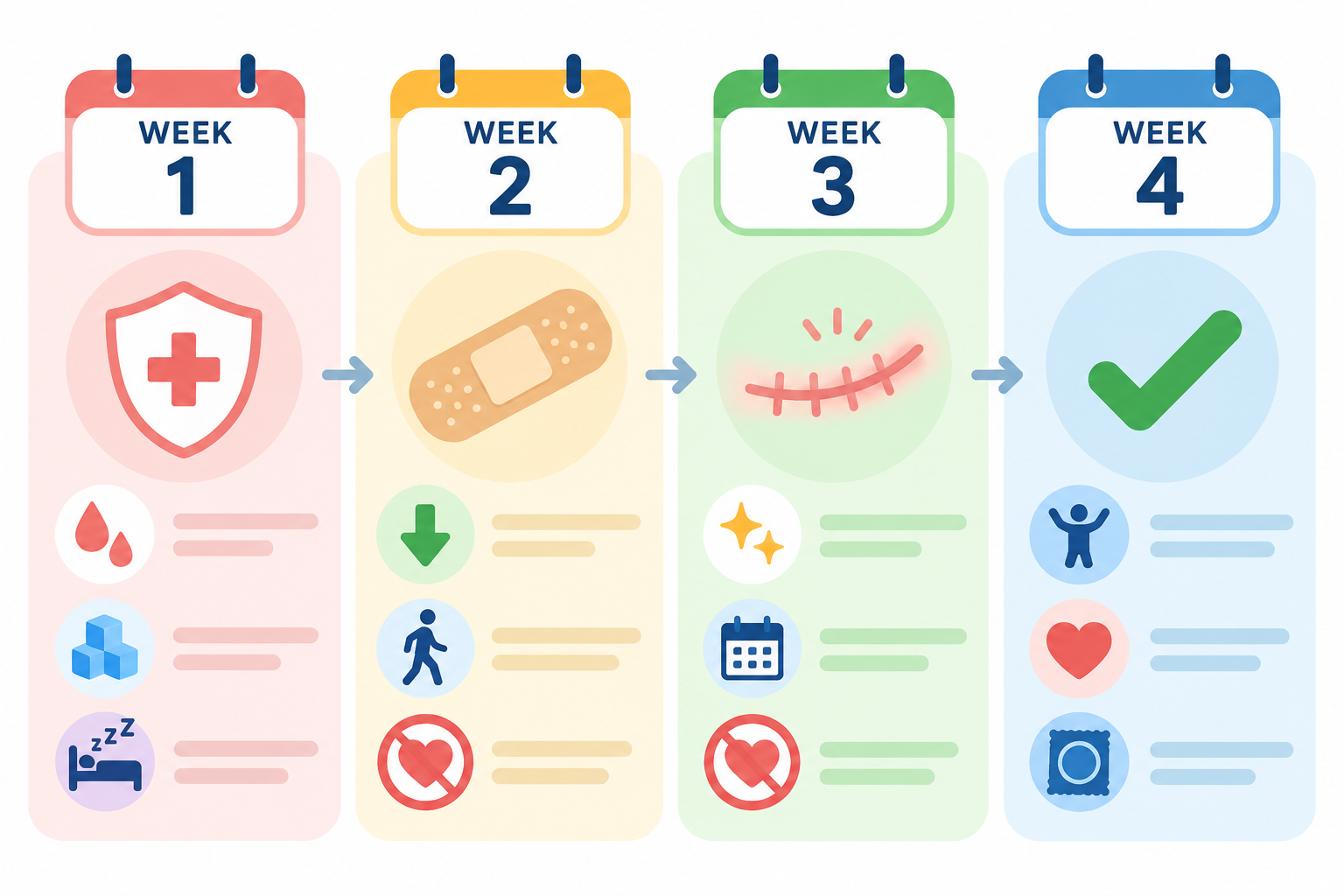
How Long Does Revision Circumcision Take to Heal?
Healing varies according to the patient, surgical technique, and individual recovery. General circumcision guidance notes that complete healing can take several weeks, while some revision procedures may recover sooner depending on the case.
Your own surgeon's recovery instructions should take priority because they are based on your procedure and examination.
Revision Circumcision Care at Elegance Clinic
At Elegance Clinic, patients can receive personalized evaluation and postoperative guidance following circumcision and revision procedures.
Dr. Ashutosh Shah, a cosmetic and hair transplant surgeon with over 22 years of experience, can assess concerns related to healing, wound appearance, infection symptoms, and other postoperative issues and recommend appropriate care based on the individual's condition.
Final Answer
The clearest signs of infection after revision circumcision are increasing redness, warmth, swelling, pus or cloudy discharge, foul odor, worsening pain, fever, chills, wound opening, or difficulty urinating. Some swelling, bruising, tenderness, and sensitivity can be normal during recovery, so the pattern of symptoms and whether they are improving are important.