How Do I Know If Penis Enlargement Surgery Is Right for Me?
Penis enlargement surgery is a topic that often attracts attention, but it is also surrounded by misinformation and unrealistic expectations. While some men consider surgery for cosmetic reasons, others seek treatment due to medical conditions that affect the appearance or function of the penis. Before making a decision, it is important to understand what the surgery can achieve, who may benefit from it, the potential risks involved, and whether alternative options may be more suitable. This guide explains everything you need to know to determine whether penis enlargement surgery is the right choice for you. Penis enlargement surgery refers to a group of surgical procedures designed to increase the length, girth, or both. These procedures vary depending on the patient's goals and medical needs. The most common types include: Each procedure has different benefits, recovery timelines, and expected outcomes. Not everyone seeking enlargement surgery is an ideal candidate. A qualified urologist or reconstructive surgeon evaluates several factors before recommending surgery. You may be a suitable candidate if you: For cosmetic procedures, surgeons typically recommend surgery only after discussing non-surgical alternatives and ensuring the patient has realistic expectations. In some situations, surgery is performed to address medical concerns rather than cosmetic preferences. These include: A micropenis is a rare medical condition where the stretched penile length is significantly below the average for age due to hormonal or developmental factors. Surgery may be considered when appropriate, although treatment depends on the underlying cause. A buried penis may result from obesity, excess skin, scarring, or previous surgery. Corrective surgery can improve hygiene, urination, sexual function, and overall quality of life. This condition causes scar tissue to develop inside the penis, leading to curvature, pain, and sometimes erectile dysfunction. Surgical correction focuses on improving function rather than cosmetic enlargement. Men who have experienced injury, cancer treatment, or congenital abnormalities may require reconstructive procedures to restore normal appearance and function. Many men seek enlargement surgery because they feel dissatisfied with their penis size, even when it falls within the normal range. Common reasons include: While these concerns are real and can affect emotional well-being, surgery may not always resolve them. Understanding your motivations is an important part of the decision-making process. Before scheduling a procedure, consider the following questions. Understanding whether your motivation comes from personal dissatisfaction, medical necessity, or external pressure can help clarify your decision. Many advertisements promise dramatic enlargement. In reality, surgical improvements are often modest, and results vary between individuals. A consultation with an experienced urologist can help determine whether surgery is appropriate and what results are realistically achievable. Recovery often involves several weeks of restricted physical activity and abstaining from sexual activity while healing occurs. Every surgical procedure carries potential complications, and patients should understand these before proceeding. Depending on the procedure and individual circumstances, potential benefits may include: It is important to note that cosmetic surgery does not guarantee improved sexual satisfaction or relationship outcomes. Like any surgery, penis enlargement procedures involve potential risks. These may include: Discussing complication rates with your surgeon is an essential part of informed consent. Recovery varies depending on the procedure performed. Generally, patients can expect: Following all postoperative instructions is important for supporting recovery and reducing the risk of complications. Surgery is not the only option. Some alternatives include: These devices may produce modest increases in length when used consistently over several months. Results vary, and they require patience and proper use. Primarily used to support erections, these devices can temporarily increase penile size but do not provide permanent enlargement. For men with excess fat around the pubic area, losing weight can expose more of the penile shaft, making the penis appear longer without surgery. If concerns about penis size are causing significant anxiety or affecting self-esteem despite having a size within the typical range, speaking with a mental health professional can help address body image concerns and support informed decision-making. If you decide to explore penis enlargement surgery, selecting an experienced surgeon is one of the most important decisions you'll make. Consider the following: Penis enlargement surgery is a significant medical decision that should be made only after careful consideration of your goals, expectations, and overall health. While surgery can provide meaningful benefits for certain medical conditions and may improve appearance for some individuals, it also carries risks and does not guarantee greater confidence, enhanced sexual performance, or dramatic size increases. The best way to determine whether penis enlargement surgery is right for you is to consult a qualified urologist or reconstructive surgeon who can assess your individual circumstances, explain the available treatment options, and help you make an informed decision. If you are considering the procedure, consulting an experienced specialist at Elegance Clinic can help you understand the available surgical options, expected outcomes, and whether the treatment is appropriate for your needs. Taking the time to understand both the benefits and limitations of the procedure can lead to more realistic expectations and better long-term satisfaction.What Is Penis Enlargement Surgery?
Signs You May Be a Good Candidate
Medical Reasons That May Justify Surgery
Micropenis
Buried Penis
Peyronie's Disease
Penile Trauma or Reconstruction
Cosmetic Reasons for Considering Surgery
Questions to Ask Yourself Before Choosing Surgery
Why do I want surgery?
Are my expectations realistic?
Have I discussed my concerns with a specialist?
Am I prepared for recovery?
Am I comfortable with the risks?
Potential Benefits of Penis Enlargement Surgery
Risks and Possible Complications
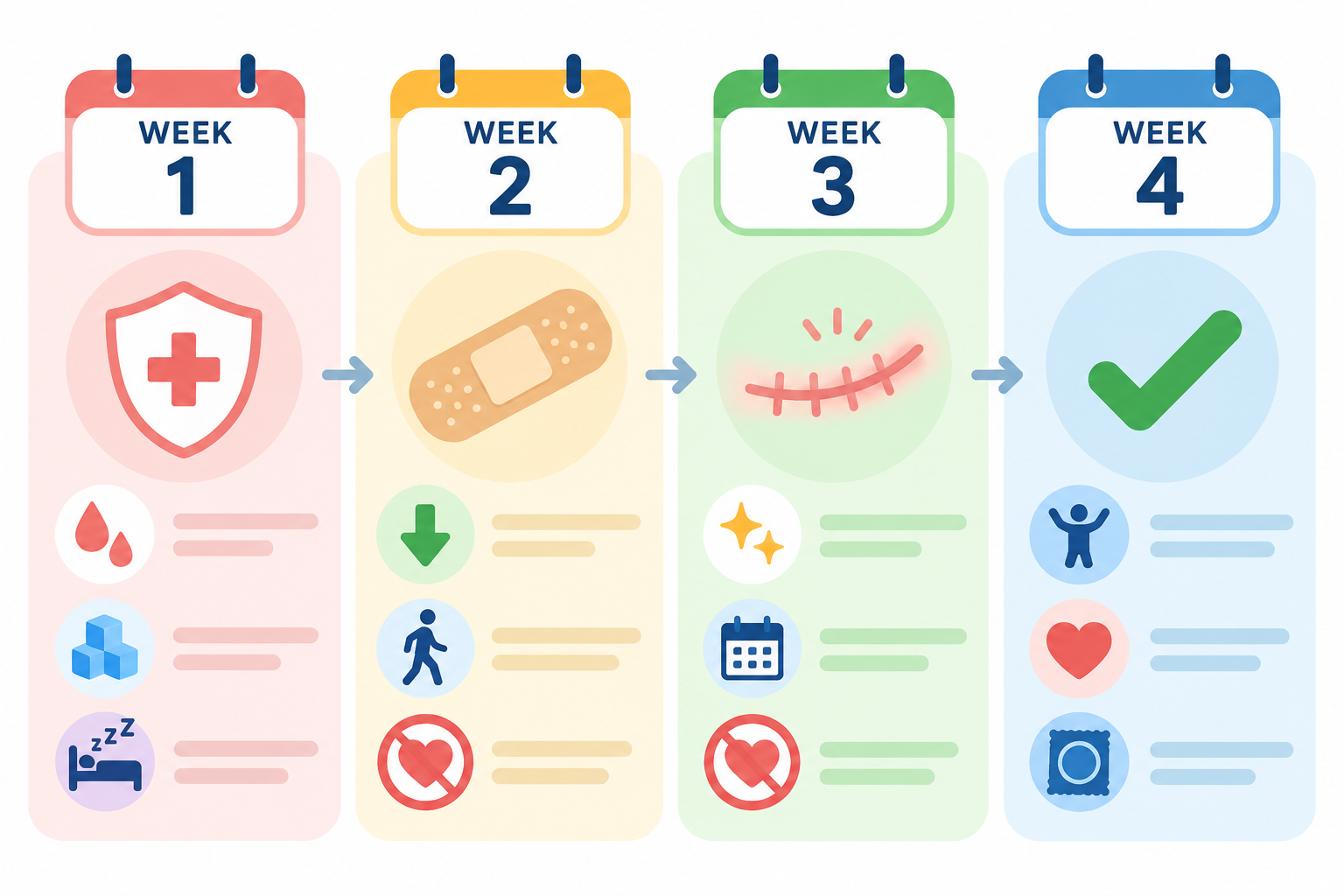
Recovery: What to Expect
First Week
Weeks Two to Four
Four to Eight Weeks
Non-Surgical Alternatives to Consider
Penile Traction Devices
Vacuum Erection Devices
Weight Management
Counseling
Choosing the Right Surgeon
Dr. Ashutosh Shah has over 20 years of experience in Plastic, Reconstructive, and Cosmetic Surgery and has advanced training in aesthetic, reconstructive, and microvascular procedures.Final Thoughts