Is Safe Scrotal Surgery Right for Your Scrotal Condition?
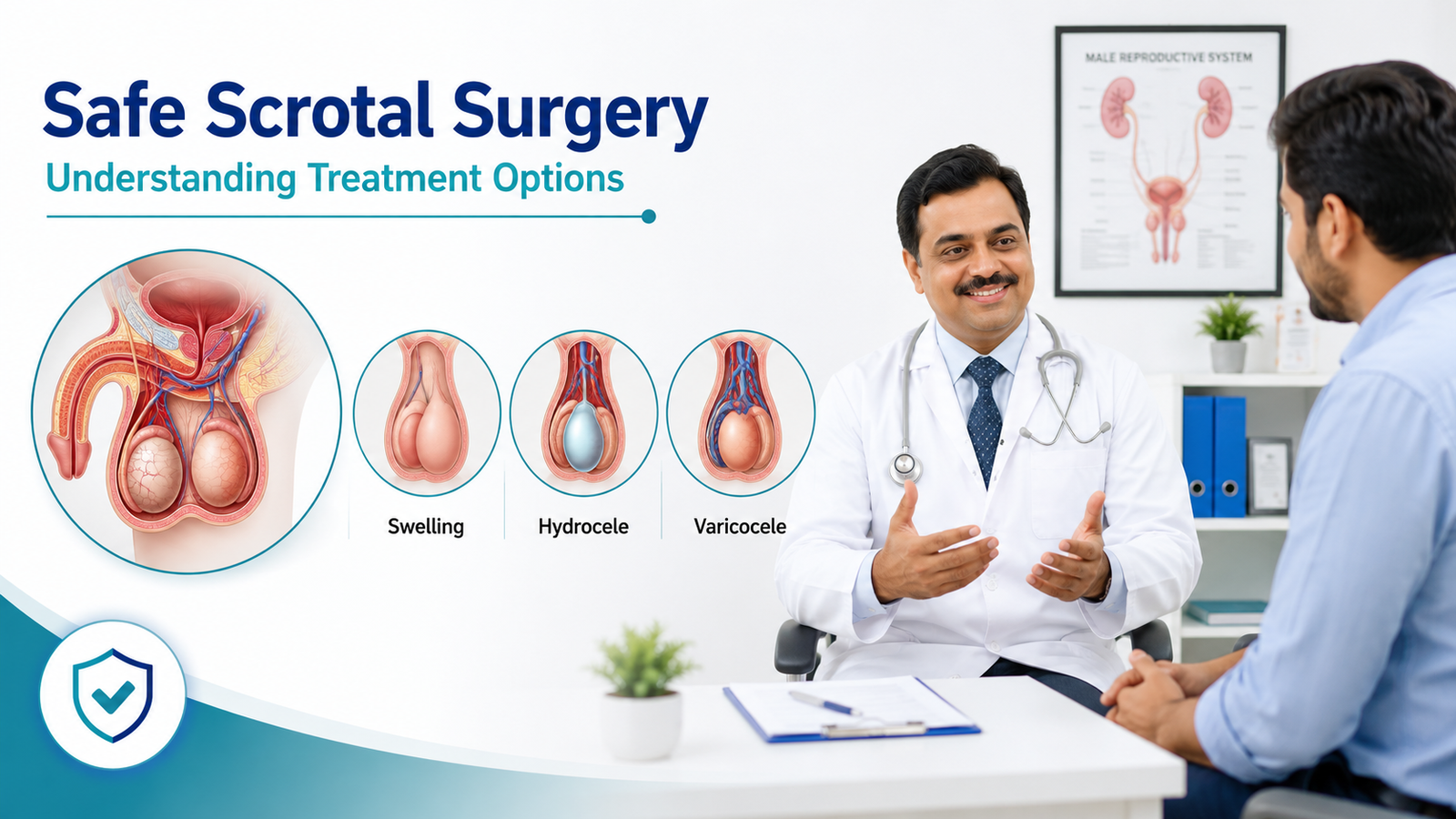
Safe scrotal surgery may be an appropriate treatment for certain scrotal conditions when symptoms cause pain, swelling, discomfort, functional problems, or do not improve with conservative treatment. However, not every scrotal problem requires surgery. A proper examination helps determine the cause and the most suitable treatment.
Scrotal conditions can affect the testicles, epididymis, spermatic cord, or surrounding tissues. Because several conditions can produce similar symptoms, professional evaluation is important before choosing any surgical procedure.
What Scrotal Conditions May Require Surgery?
A surgeon may recommend surgery for selected conditions such as:
- Hydrocele, a collection of fluid around the testicle
- Varicocele, enlarged veins around the testicle
- Epididymal cysts, fluid-filled cysts near the epididymis
- Spermatocele, a cyst containing fluid and sperm
- Testicular or scrotal masses, after appropriate evaluation
- Certain cases of scrotal swelling or chronic discomfort
- Other structural conditions that cause persistent symptoms
The appropriate procedure depends on the diagnosis, severity, symptoms, age, and overall health of the patient.
How Does a Surgeon Decide If Surgery Is Necessary?
Your surgeon will first identify the underlying cause of the scrotal problem. The evaluation may include a physical examination and, when appropriate, an ultrasound or other investigations.
The surgeon may consider:
- Severity of pain or discomfort
- Size and location of the swelling
- Duration of symptoms
- Changes in the condition
- Effect on daily activities
- Effect on fertility or testicular function
- Previous treatments
- Overall medical history
If the condition does not require surgery, your doctor may recommend observation, medication, supportive care, or another non-surgical approach.
What Happens During Scrotal Surgery?
The exact steps depend on the condition being treated. Generally, the surgeon uses anaesthesia to keep the patient comfortable and makes an appropriately placed incision to access the affected tissue.
The surgeon then treats the underlying problem while carefully protecting nearby structures, including the testicle, epididymis, spermatic cord, and blood vessels.
For example, surgery for a hydrocele differs from surgery for a varicocele or an epididymal cyst. Therefore, your surgeon should explain the specific procedure before treatment.
Is Scrotal Surgery Safe?
When a qualified surgeon selects the appropriate procedure and follows proper surgical techniques, scrotal surgery can be performed safely in suitable patients.
However, every surgical procedure has potential risks. These may include:
- Infection
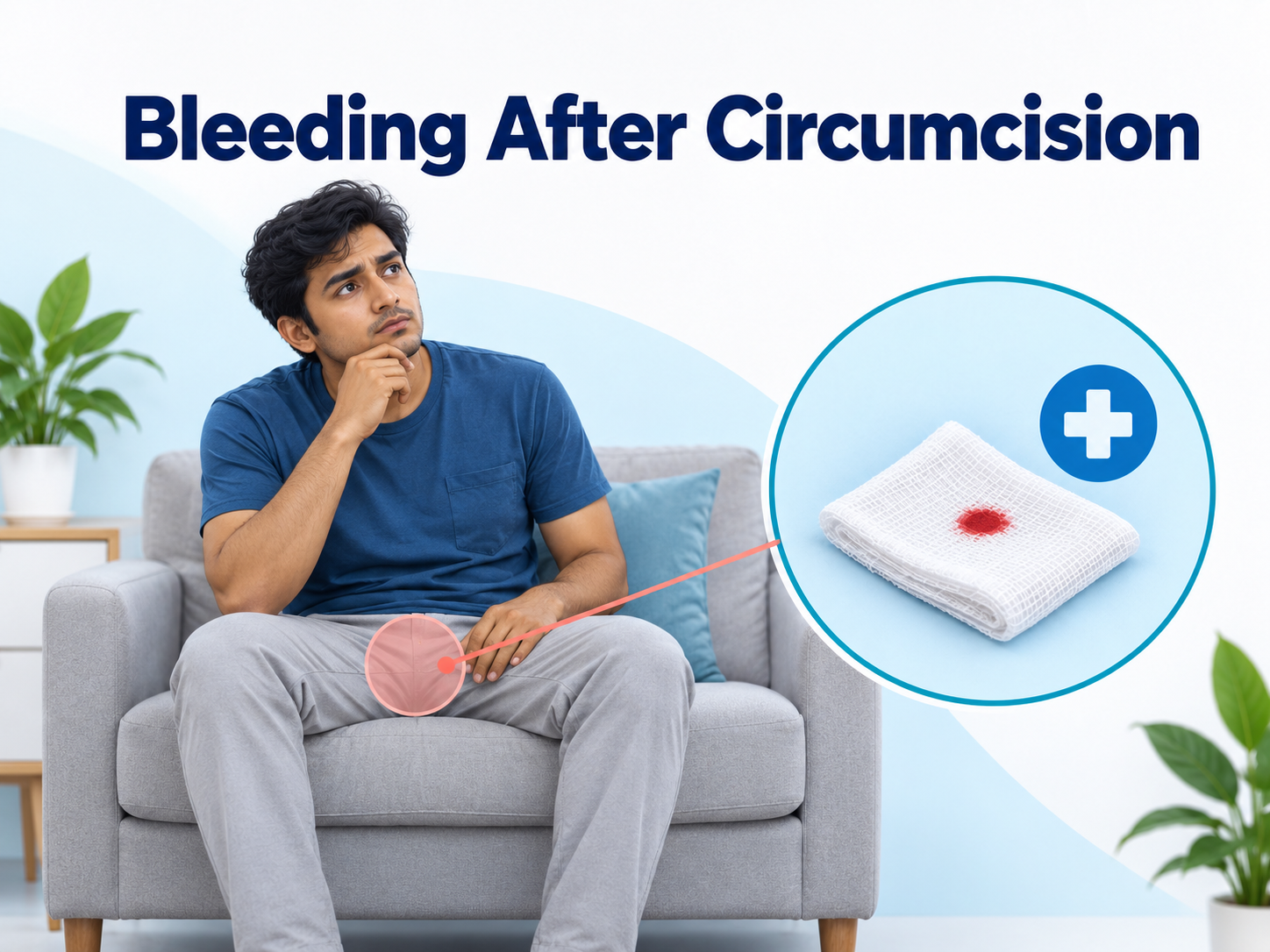
- Bleeding or bruising
- Swelling
- Pain or discomfort
- Fluid collection
- Scarring
- Recurrence of the condition
- Injury to surrounding structures
Your individual risks depend on the condition and procedure. A consultation allows your surgeon to explain these risks before you make a treatment decision.
What Is Recovery Like After Scrotal Surgery?
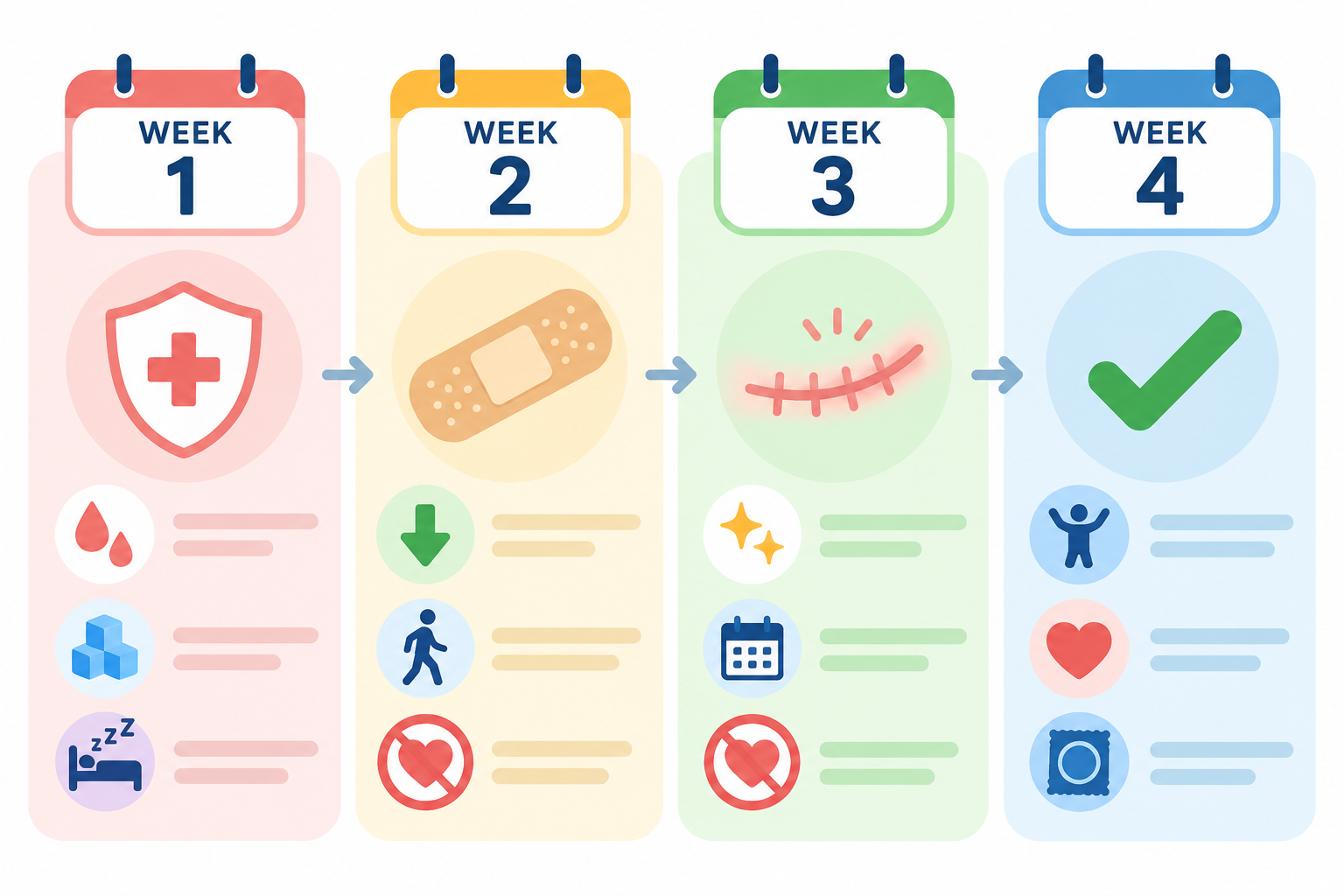
Recovery depends on the type of surgery and your individual healing.
After surgery, your doctor may recommend:
- Keeping the surgical area clean and dry
- Taking prescribed medications
- Wearing appropriate scrotal support
- Avoiding strenuous activity during early recovery
- Following wound-care instructions
- Attending follow-up appointments
Mild swelling and discomfort can occur during the initial healing period. Your surgeon will tell you when you can return to work, exercise, and other normal activities.
Can Scrotal Surgery Affect Fertility?
The effect on fertility depends on the underlying condition and the type of surgery. Some scrotal conditions, such as certain varicoceles, can themselves affect sperm production or fertility.
When fertility matters, discuss your concerns with your surgeon before treatment. The doctor can consider fertility preservation and appropriate treatment options as part of the surgical plan.
When Should You See a Surgeon?
You should seek medical evaluation if you notice a new or persistent:
- Scrotal lump
- Swelling
- Pain
- Heaviness
- Enlarged veins
- Change in testicle size
- Fluid-filled swelling
- Discomfort that does not improve
Sudden, severe testicular pain requires urgent medical assessment, because conditions such as testicular torsion can require emergency treatment.
Why Choose Professional Scrotal Surgery?
Choosing the right treatment starts with an accurate diagnosis. A specialist can distinguish between conditions that require surgery and those that may improve with observation or non-surgical treatment.
If surgery is appropriate, the surgeon can select a technique according to the specific condition while considering factors such as comfort, recovery, testicular function, and fertility.
Safe Scrotal Surgery in Surat
If you are searching for safe scrotal surgery in Surat, Elegance Clinic provides consultation and surgical treatment for selected male intimate and scrotal conditions.
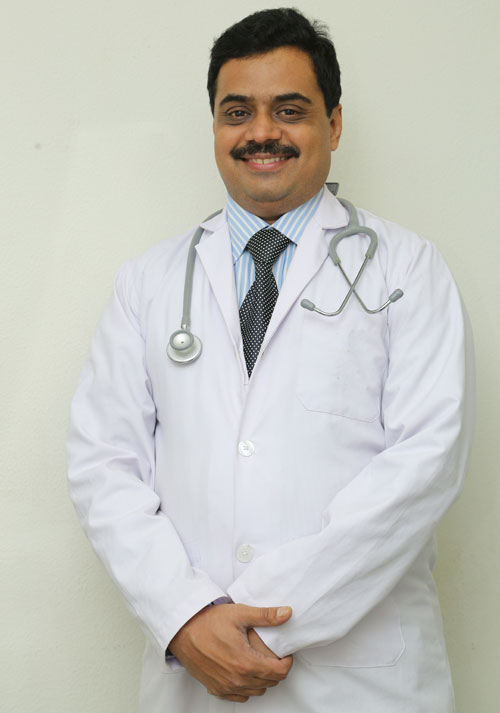
A consultation with Dr. Ashutosh Shah can help identify the underlying condition and determine whether surgical or non-surgical treatment is appropriate for your needs.
Expert Guidance by Dr. Ashutosh Shah
Dr. Ashutosh Shah, M.B., M.S., M.Ch., D.N.B., is a senior plastic, reconstructive, and cosmetic surgeon with 22+ years of surgical experience. At Elegance Clinic in Surat, he provides personalised consultation and treatment planning for a range of male intimate and reconstructive concerns.
His extensive surgical experience allows him to assess individual cases carefully and recommend treatment based on the patient's condition, symptoms, and medical needs.
Conclusion
Safe scrotal surgery can be an effective treatment for selected scrotal conditions, but surgery is not necessary for every patient. The right approach depends on the underlying diagnosis, symptoms, severity, and overall health.
If you have persistent scrotal swelling, pain, a lump, enlarged veins, or another unusual change, seek professional evaluation. An accurate diagnosis can help you understand your treatment options and decide whether surgery is appropriate.