
Is Traditional Circumcision Safe for Babies and Children?
Yes, traditional circumcision is generally safe for babies and children when it is performed by a qualified pediatric surgeon or urologist in a sterile medical setting. The procedure has been performed for centuries for cultural, religious, and medical reasons. Like any surgical procedure, it carries some risks, but serious complications are uncommon when proper surgical techniques and post-operative care are followed.
How Safe Is Traditional Circumcision?
Traditional circumcision involves removing the foreskin (prepuce) that covers the tip of the penis using standard surgical instruments. The procedure is considered safe when:
- It is performed by an experienced healthcare professional.
- Sterile surgical techniques are used.
- Appropriate anesthesia or pain management is provided.
- Parents carefully follow the surgeon's aftercare instructions.
Benefits of Traditional Circumcision
Traditional circumcision may offer several benefits, including:
- Improved genital hygiene.
- Reduced risk of urinary tract infections (UTIs) in infancy.
- Lower risk of foreskin-related conditions such as phimosis and recurrent balanitis.
- Reduced risk of certain sexually transmitted infections later in life.
- Prevention of recurrent foreskin infections.
Are There Any Risks?
Although complications are uncommon, they can include:
- Mild pain or discomfort.
- Temporary swelling and redness.
- Minor bleeding.
- Infection (rare with proper wound care).
- Delayed healing in some children.
Parents should contact their doctor if they notice excessive bleeding, fever, foul-smelling discharge, increasing redness, or difficulty urinating.
Recovery After Traditional Circumcision
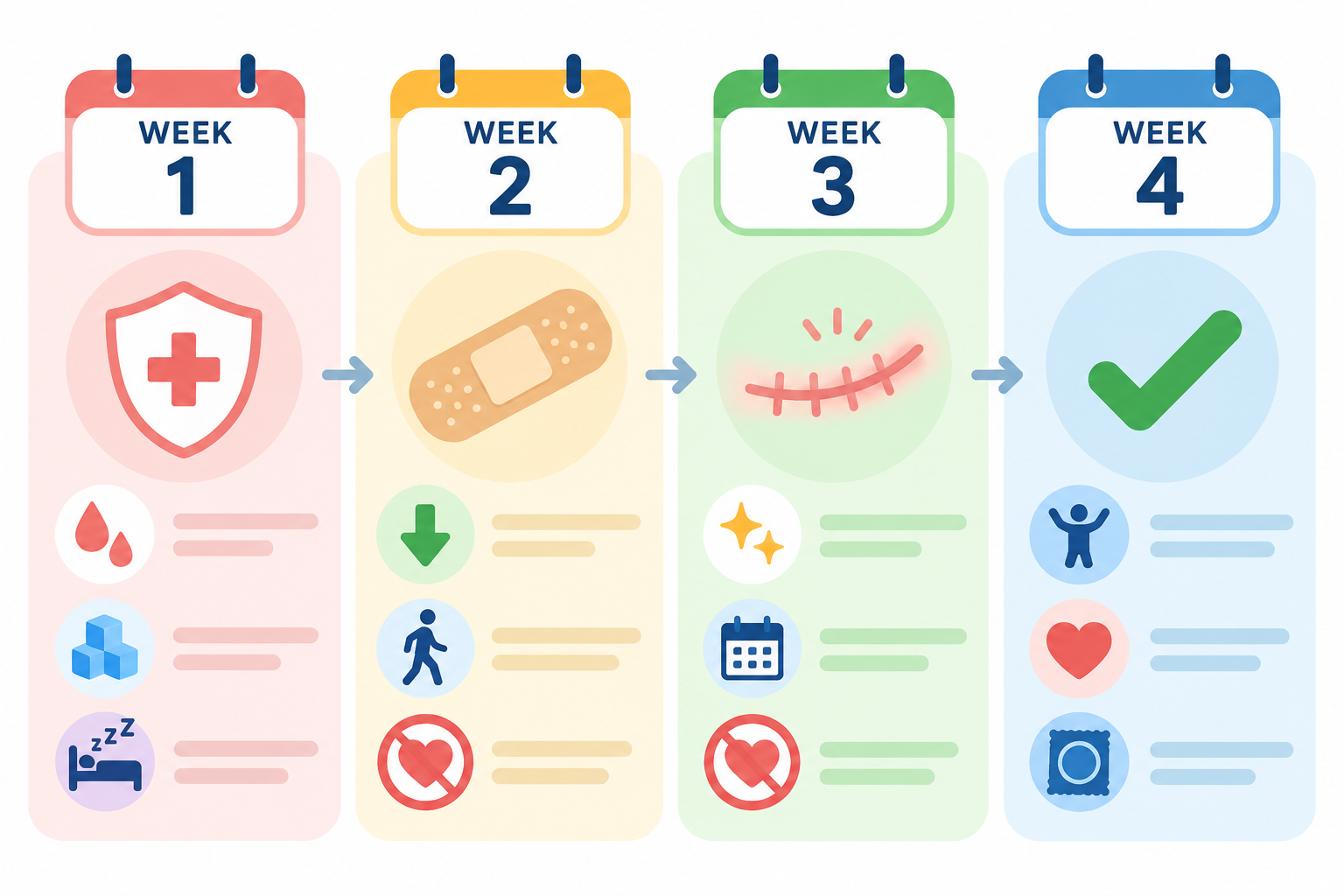
Most babies and children recover within 7 to 14 days, although complete healing may vary depending on the child's age and overall health. During recovery:
- Keep the area clean and dry.
- Change dressings as instructed.
- Apply prescribed ointments or medications.
- Avoid activities that may irritate the surgical site until healing is complete.
Is It Safe for Newborns?
Yes. Newborn circumcision is generally considered safe when performed by a trained medical professional. Many babies recover quickly because newborns tend to heal faster than older children. However, the decision should always be made after discussing the benefits and risks with a healthcare provider.
When Should Traditional Circumcision Be Avoided?
The procedure may need to be postponed if a child:
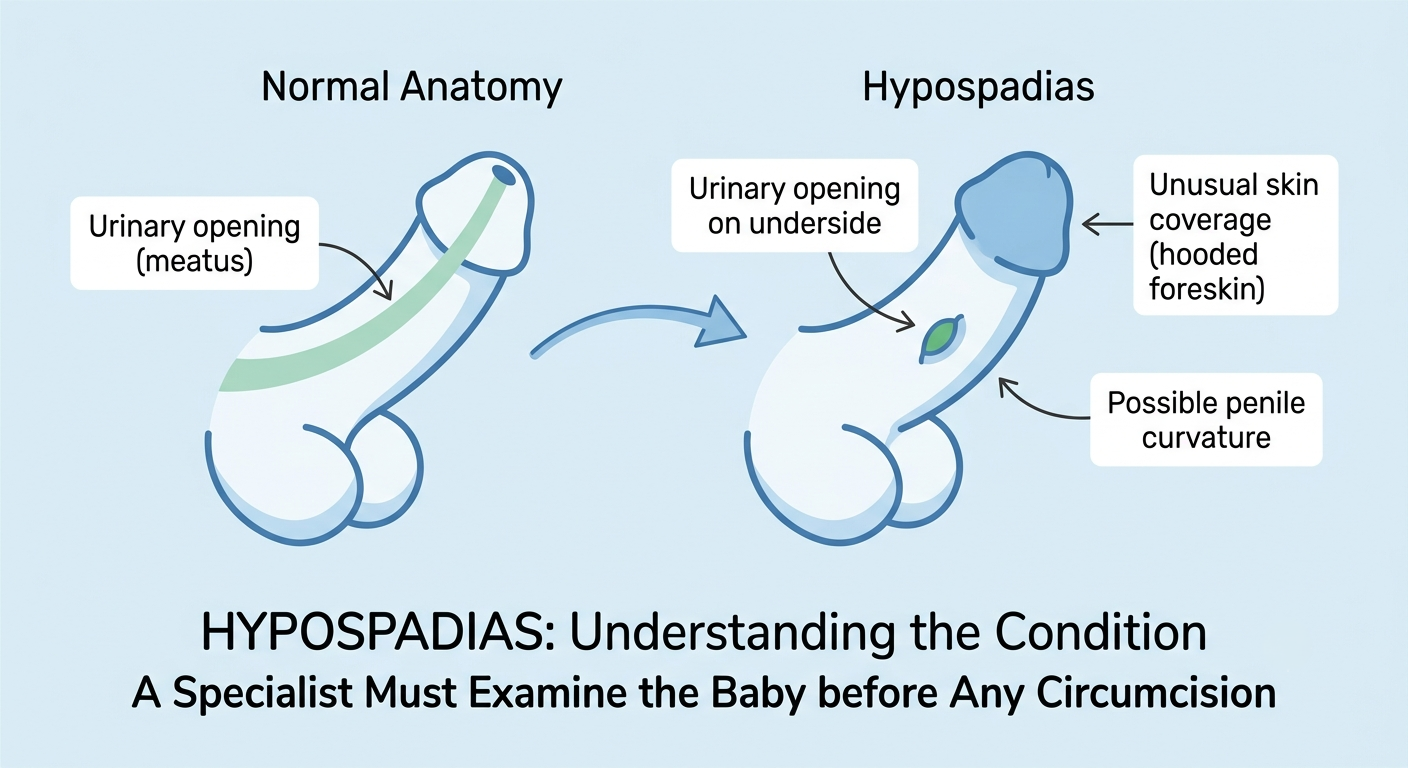
- Has certain congenital abnormalities of the penis.
- Has a bleeding disorder.
- Has an active infection or serious illness.
- Requires additional evaluation by a pediatric specialist.
When to Consult a Doctor
Seek medical attention immediately if your child experiences:
- Heavy or persistent bleeding.
- Difficulty passing urine.
- High fever.
- Severe swelling or increasing pain.
- Pus or foul-smelling discharge from the wound.
Traditional circumcision is generally safe when performed by a qualified healthcare professional using appropriate surgical techniques and sterile conditions. If you have questions about the procedure or your child's suitability for circumcision, Dr. Ashutosh Shah at Elegance Clinic can provide expert evaluation, answer your concerns, and recommend the most appropriate treatment plan.
Conclusion
Traditional circumcision is a safe and commonly performed procedure for babies and children when carried out by an experienced surgeon under proper medical conditions. Choosing a qualified healthcare provider and following all post-operative care instructions significantly reduces the risk of complications and supports a smooth recovery. If you're considering circumcision for your child, consult a pediatric surgeon to determine the most appropriate approach based on your child's health and individual needs.