Phimosis Treatment in Ghod Dod Road, Surat: Procedure, Recovery and Cost Factors
Phimosis treatment in Ghod Dod Road Surat helps manage a tight foreskin that causes discomfort, difficulty retracting the skin or recurrent inflammation. Treatment may include prescribed topical medicines, gentle stretching under medical guidance or circumcision. The appropriate approach depends on the severity of the condition, underlying causes and individual health.
Key Takeaways
-
Phimosis occurs when the foreskin cannot be comfortably retracted.
-
Not every patient with phimosis requires circumcision.
-
Non-surgical treatment may include prescribed corticosteroid creams and gentle stretching.
-
Circumcision may be recommended for severe or recurrent phimosis.
-
Recovery time depends on the treatment method and individual healing.
-
Treatment costs vary according to the procedure, investigations and medical requirements.
-
Dr. Ashutosh Shah at Elegance Clinic can assess the condition and discuss appropriate treatment options.
What Is Phimosis Treatment and Who Is It For?
Phimosis is a condition in which the foreskin is too tight to retract comfortably over the head of the penis.
In young children, a non-retractable foreskin can be a normal stage of development. However, symptomatic phimosis in adults may require medical attention.
Common Symptoms of Phimosis
Patients may experience:
-
Difficulty retracting the foreskin.
-
Pain during erections.
-
Discomfort during sexual activity.
-
Recurrent inflammation or infections.
-
Difficulty maintaining personal hygiene.
-
Cracking or scarring of the foreskin.
-
Discomfort while passing urine.
Patients experiencing these symptoms should seek medical evaluation rather than attempting forceful retraction.
Non-Surgical Treatment
Mild or moderate phimosis may respond to conservative treatment, depending on its cause.
Treatment options may include prescribed corticosteroid creams, gentle stretching under medical guidance and treatment of underlying inflammation or infection.
Learn more about phimosis treatment without surgery.
Surgical Treatment
Circumcision may be recommended when conservative treatment is unsuccessful or significant scarring, recurrent infections or persistent symptoms are present.
The procedure involves removing the foreskin to address the tightness.
Read more about circumcision for phimosis.
How Is Phimosis Treatment Done, Step by Step?
Patients considering phimosis treatment in Ghod Dod Road Surat usually begin with a consultation to identify the underlying cause and determine whether surgery is necessary.
Step 1: Initial Consultation
The doctor discusses symptoms, medical history, previous infections and any treatments already attempted.
Patients should disclose diabetes, allergies, regular medicines and previous surgical procedures.
Step 2: Physical Examination
A physical examination helps assess the degree of foreskin tightness, inflammation and scarring.
The doctor may also check for underlying skin conditions that require additional treatment.
Step 3: Medical Investigations
Depending on the symptoms and planned treatment, investigations may include blood sugar testing, urine tests or preoperative blood tests.
Not every patient requires the same investigations.
Step 4: Selecting the Treatment
Patients with suitable conditions may begin with prescribed topical treatment.
Those with severe scarring or persistent symptoms may require circumcision or another appropriate surgical procedure.
For more information about alternatives, read can phimosis be treated without circumcision.
Step 5: Surgical Procedure, If Required
If circumcision is recommended, appropriate anaesthesia is administered before the procedure.
The surgeon removes the foreskin, controls bleeding and closes the wound using a suitable technique.
Step 6: Aftercare and Follow-Up
Patients receive instructions regarding medicines, hygiene, wound care and activity restrictions.
Follow-up appointments help assess treatment response and identify potential complications.
Quick Facts About Phimosis Treatment
| Factor | General Information |
|---|---|
| Treatment duration | Depends on the selected treatment |
| Non-surgical treatment | Usually continues over several weeks |
| Circumcision duration | Approximately 30 minutes in many routine cases |
| Anaesthesia | Local or general anaesthesia for surgery, as appropriate |
| Hospital stay | Circumcision is commonly a day-care procedure |
| Back to work | Often around one week after circumcision, depending on the job |
| Surgical recovery | Generally 4–6 weeks |
| Follow-ups | Based on treatment response and healing |
These are general estimates rather than fixed timelines for every patient.
Recovery: What Do the First Weeks Look Like?
Recovery after phimosis treatment depends on whether the patient receives medication or undergoes surgery.
Recovery After Non-Surgical Treatment
Patients using prescribed corticosteroid creams may notice gradual improvement over several weeks.
Treatment should continue according to the prescribed schedule. Forceful stretching must be avoided because it can cause small tears and additional scarring.
If symptoms persist or worsen, further medical evaluation may be necessary.
First Week After Circumcision
Mild swelling, bruising, tenderness and increased sensitivity may occur.
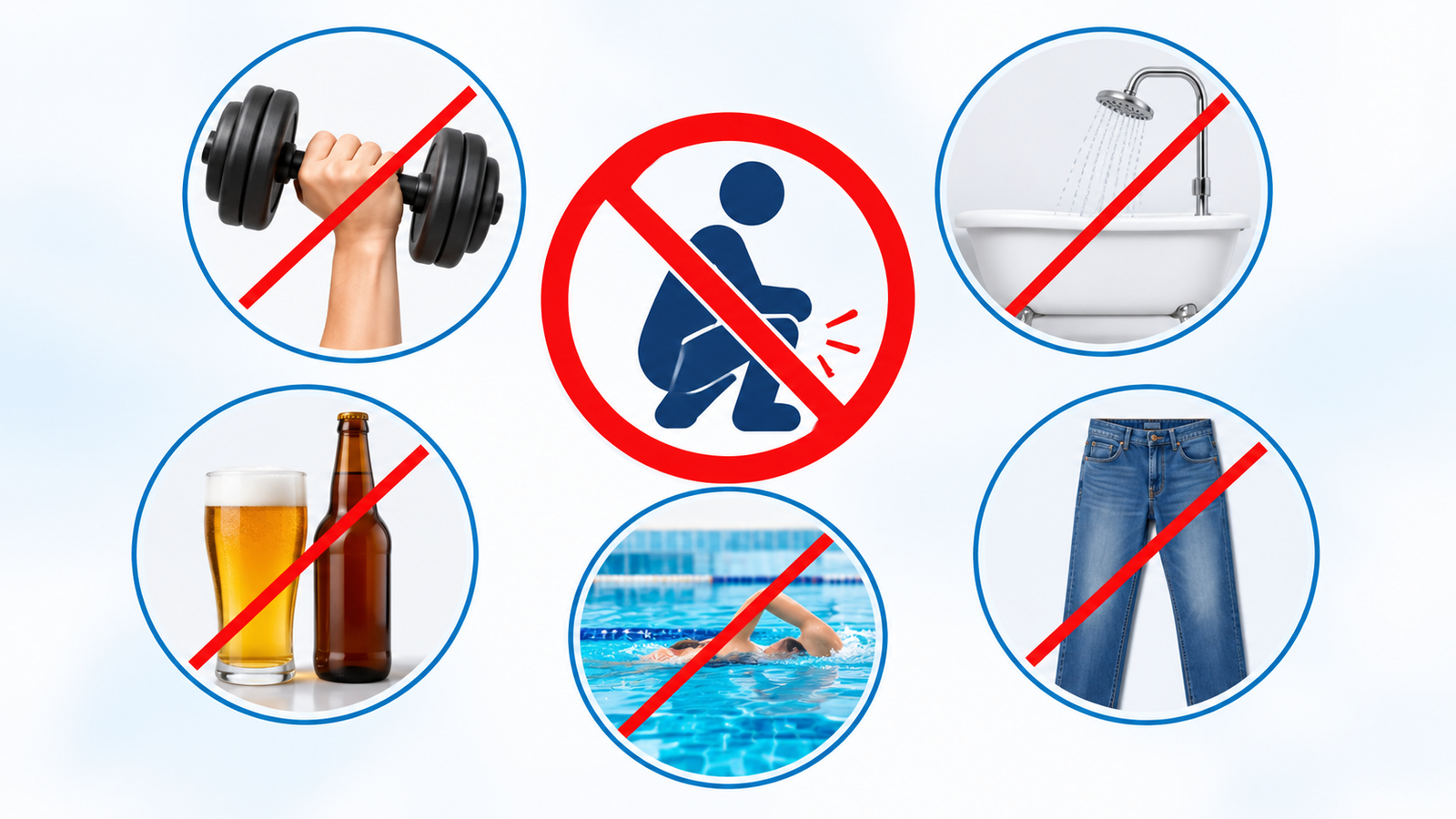
Patients should rest, follow wound-care instructions and avoid strenuous activities.
Loose, comfortable clothing may help reduce friction around the treated area.
Second Week
Discomfort and swelling may gradually improve. Some patients can resume routine activities depending on their recovery.
However, heavy exercise and activities that place pressure on the healing wound should still be avoided.
Weeks Three to Six
The wound continues healing, and swelling generally decreases.
Sexual activity and masturbation should be avoided for at least four weeks and until the wound has fully healed.
Warning Signs During Recovery
Seek medical attention if you experience:
-
Persistent or heavy bleeding.
-
Fever or pus discharge.
-
Increasing redness or swelling.
-
Severe or worsening pain.
-
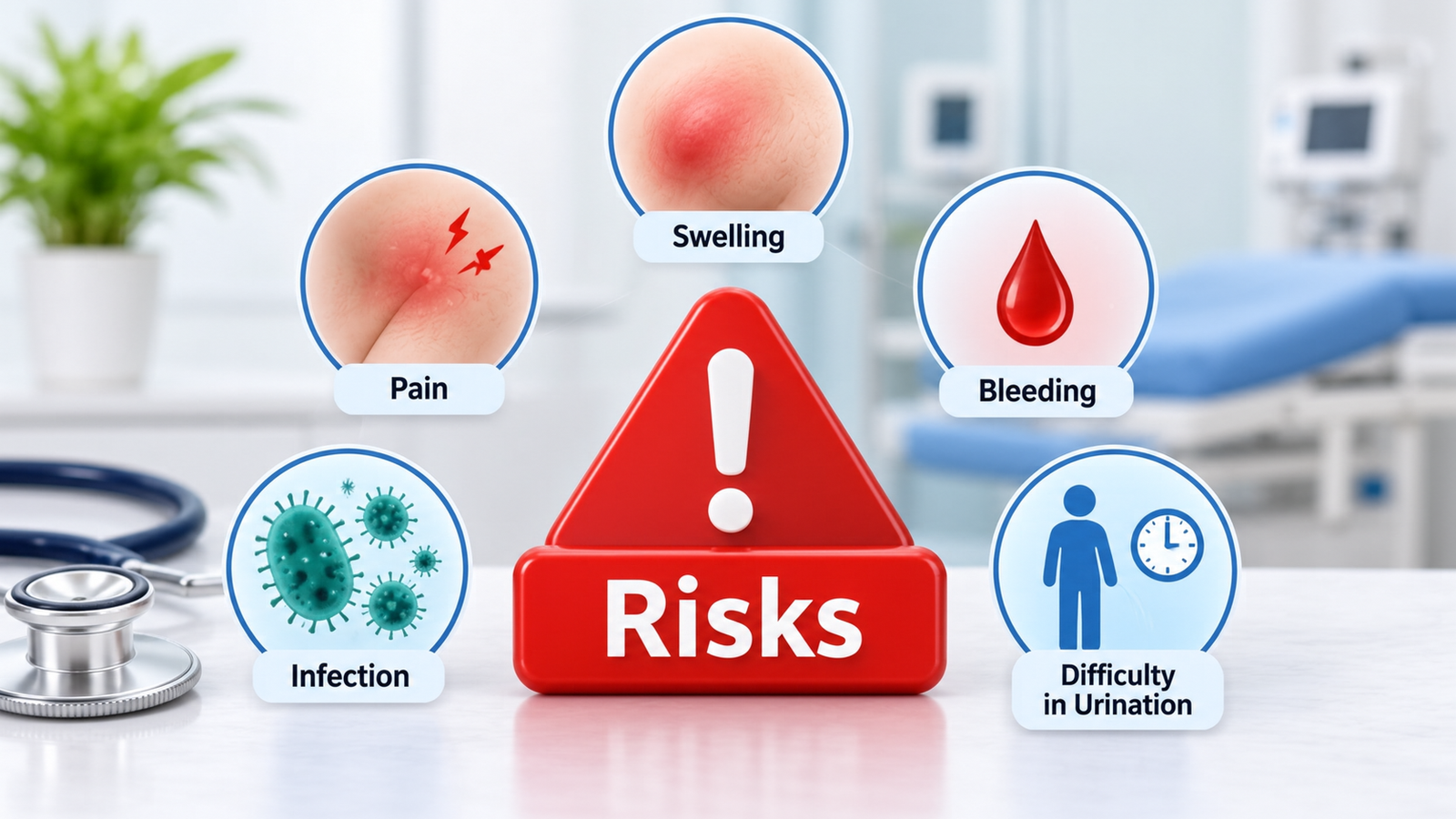
Difficulty passing urine.
-
Wound separation.
A foreskin that becomes trapped behind the head of the penis and cannot return to its normal position may indicate paraphimosis, which requires emergency medical treatment.
Which Factors Change the Cost of Phimosis Treatment?
The cost of phimosis treatment in Ghod Dod Road Surat varies depending on the underlying condition, treatment method and medical requirements.
Non-surgical management generally involves consultation, prescribed medicines and follow-up assessments. Surgical treatment includes additional expenses related to anaesthesia, surgical facilities and postoperative care.
Major Cost Factors
| Cost Factor | What It May Include |
|---|---|
| Consultation | Medical history and physical examination |
| Diagnostic tests | Blood sugar, urine or preoperative investigations |
| Non-surgical treatment | Prescribed creams and other medicines |
| Surgical technique | Circumcision or another suitable procedure |
| Anaesthesia | Local or general anaesthesia |
| Hospital charges | Surgical facilities and nursing care |
| Postoperative medicines | Pain relief and other prescribed medicines |
| Follow-up care | Wound assessment and dressing changes |
Patients with recurrent infections, significant scarring or underlying health conditions may require additional treatment.
Before proceeding, request a written estimate explaining what is included and whether investigations, medicines and follow-up appointments are charged separately.
Choosing treatment based only on the lowest price may overlook important considerations such as suitability, surgical experience and postoperative support.
Phimosis Treatment in Ghod Dod Road Surat: Planning Your Clinic Visit
Patients experiencing foreskin tightness, discomfort or recurrent inflammation can arrange a consultation to understand their treatment options.
Dr. Ashutosh Shah (M.S., M.Ch., D.N.B.), Plastic, Reconstructive and Cosmetic Surgeon at Elegance Clinic, can assess the condition and discuss surgical and non-surgical management.
What Should You Bring?
Bring previous medical reports, a list of current medicines, information about allergies and details of treatments already attempted.
Patients with diabetes should carry relevant blood sugar reports if available.
Planning Your Treatment Appointment
A consultation does not necessarily mean that surgery will be performed on the same day.
Some patients may benefit from medication first, while others may require investigations before surgery can be scheduled.
Planning Your Return Home
Patients undergoing non-surgical treatment can generally continue their routine activities.
After surgery, transport arrangements depend on the anaesthesia used and postoperative condition.
Patients receiving sedation or general anaesthesia should arrange appropriate assistance for their return journey.
For appointment information, contact us.
What Questions Should You Ask Before Deciding?
Understanding the benefits, limitations and risks of treatment can help patients make informed decisions.
Consider asking the following questions during your consultation:
-
What is causing my phimosis?
-
Can my condition improve without surgery?
-
Are corticosteroid creams suitable for me?
-
When is circumcision medically necessary?
-
Which surgical technique is appropriate?
-
What are the potential complications?
-
How long will recovery take?
-
When can I return to work and exercise?
-
What is included in the treatment cost?
-
How many follow-up appointments may be required?
The appropriate treatment should address the underlying cause while considering the patient's health, symptoms and preferences.
Conclusion
Phimosis treatment can help address foreskin tightness, discomfort and recurrent inflammation through appropriate surgical or non-surgical care.
Early assessment may help identify suitable treatment options before symptoms become more severe.
Patients exploring phimosis treatment in Ghod Dod Road Surat can consult Dr. Ashutosh Shah at Elegance Clinic to understand their condition, available treatment options, recovery expectations and associated costs.