What Is the Right Age for Circumcision in Children?
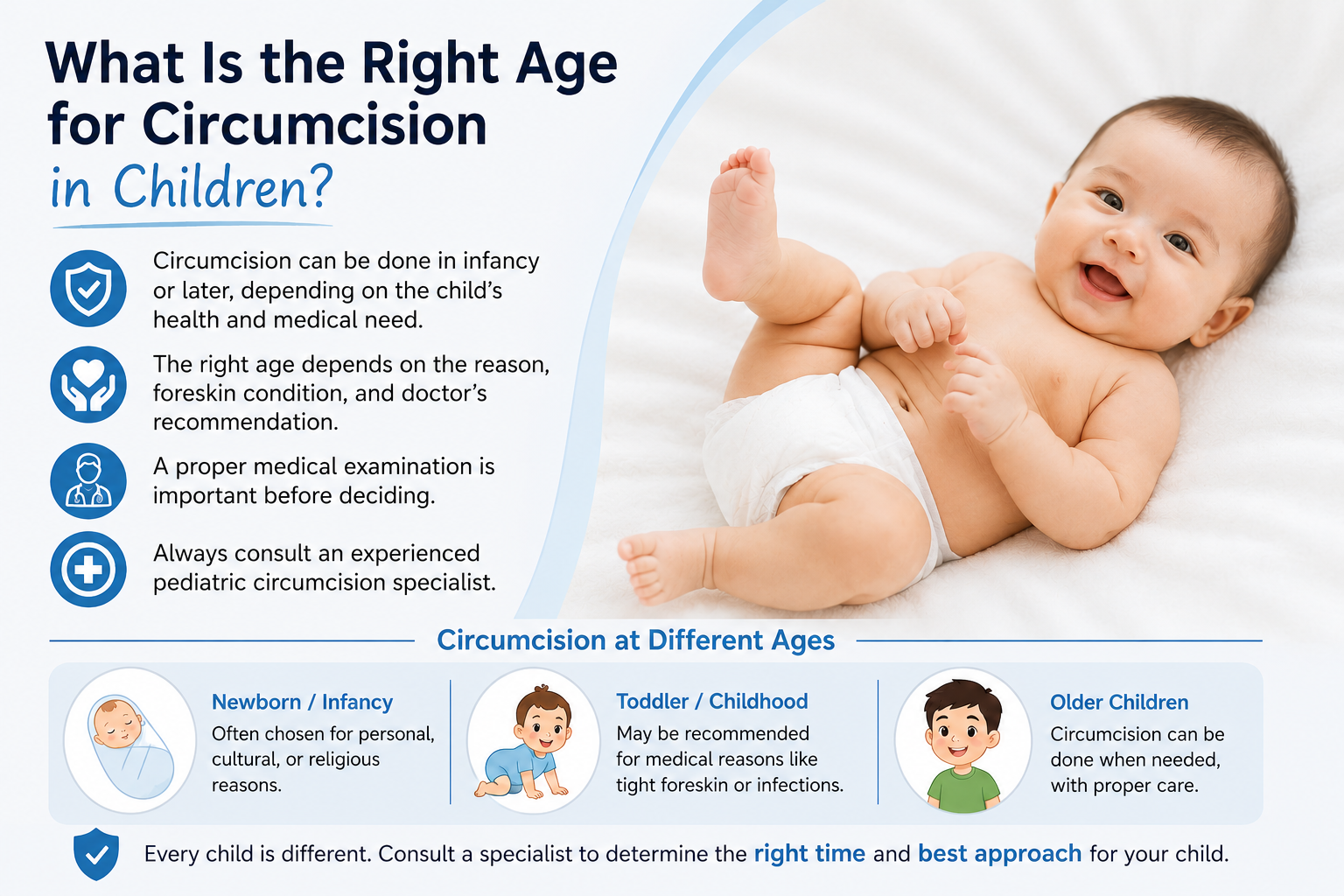
There is no single “right age” for circumcision that applies to every child. Circumcision can be performed during infancy or later in childhood, depending on the reason for the procedure, the child’s health, foreskin development, symptoms, and the surgeon’s assessment.
For parents considering pediatric circumcision, the most important question is not simply “What age is best?” but “Does my child need circumcision now, and what approach is appropriate for his age?”
Can Circumcision Be Done in Newborn Babies?
Yes. Circumcision can be performed during the newborn period when the baby is healthy, and there are no medical reasons to postpone it.
When parents choose circumcision for religious, cultural, or personal reasons, they may decide to have it performed during infancy. The technique and pain-control approach depend on the baby's age, health, anatomy, and the surgeon's recommendation.
Before proceeding, the doctor should examine the baby to ensure circumcision is appropriate.
Is Infancy a Good Time for Circumcision?
For families who have already decided on circumcision, infancy can be a suitable time. Younger babies generally have fewer activity-related challenges during recovery than older children.
However, age alone should never determine whether circumcision is appropriate. A pediatric surgeon should first check the child's genital anatomy and general health.
What About Circumcision in Toddlers and Older Children?
Circumcision can also be performed in toddlers, school-age children, and adolescents when medically appropriate.
Older children may require circumcision because of problems such as:
- Pathological phimosis or scarring
- Recurrent balanitis or foreskin inflammation
- Certain recurrent infections
- Difficulty related to an abnormal foreskin
- Other medical conditions identified by a specialist
The surgical and anesthesia plan may differ according to the child's age and individual circumstances.
Does a Tight Foreskin Mean My Child Needs Circumcision?
Not necessarily.
In babies and young boys, a foreskin that does not retract fully can be a normal stage of development. Parents should not forcibly pull the foreskin backward, as this can cause pain, injury, and scarring.
Circumcision may be considered when a child develops pathological scarring, repeated troublesome infections, or another condition that does not improve with appropriate conservative treatment.
A pediatric surgeon can distinguish normal foreskin development from a condition that requires treatment.
When Might a Doctor Recommend Circumcision?
A doctor may consider pediatric circumcision when a child has persistent or recurrent problems such as pathological phimosis, troublesome foreskin infections, or certain urinary problems where circumcision may offer a medical benefit.
Importantly, circumcision is not automatically required for every foreskin problem. Depending on the diagnosis, observation, hygiene advice, or prescribed topical treatment may sometimes be appropriate before surgery.
When Might Circumcision Need to Be Delayed?
Circumcision may need to be postponed when a baby or child has an illness, a bleeding problem, or certain penile abnormalities.
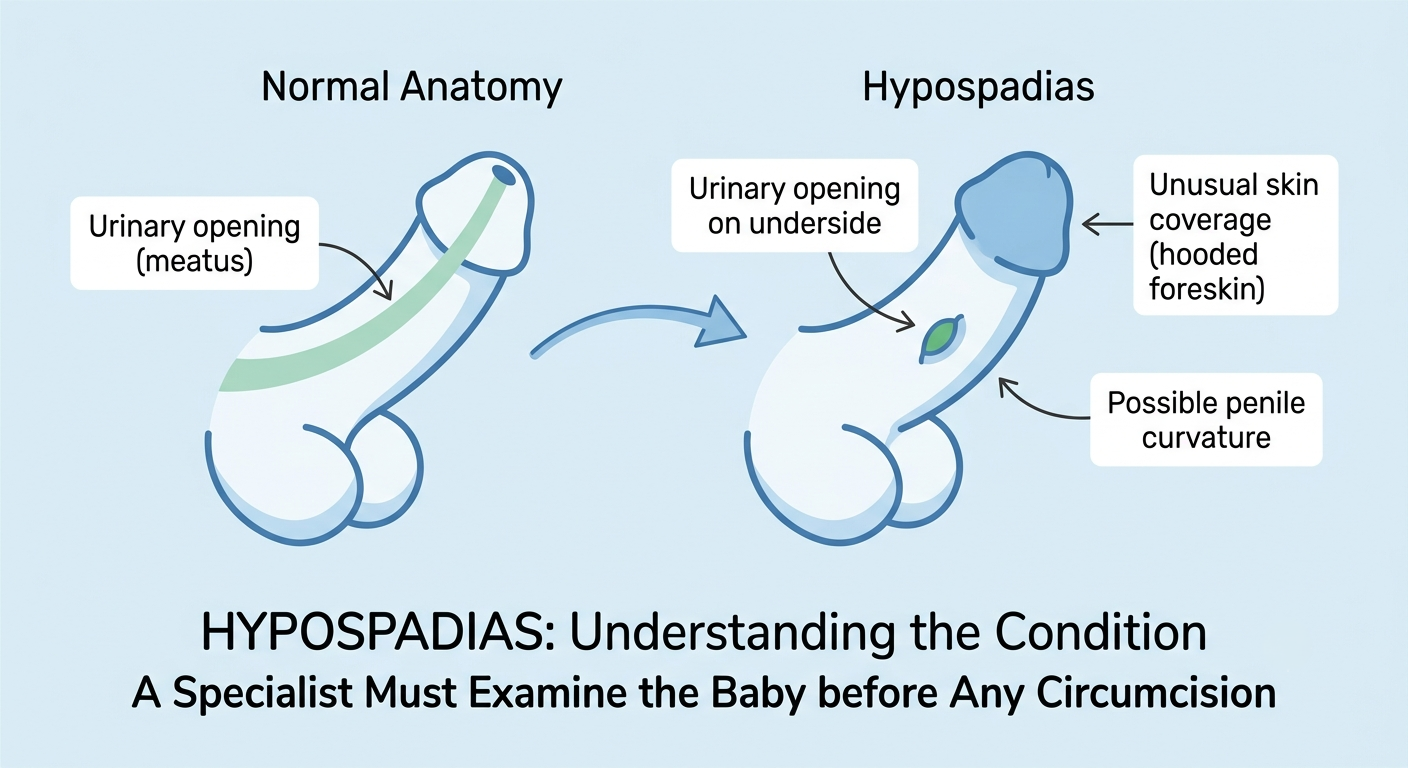
For example, if a congenital condition such as hypospadias is suspected, circumcision is generally avoided until a pediatric urologist or appropriate specialist evaluates the child because the foreskin may be useful during later reconstructive surgery.
This is one reason a proper examination at Elegance Clinic before circumcision is important to assess the child’s condition and determine the most appropriate treatment approach.
Is Circumcision Painful for Children?
Doctors use age-appropriate anesthesia and pain-control methods to minimize discomfort during pediatric circumcision.
The exact method depends on factors such as:
- The child's age
- The circumcision technique
- The child's health
- The surgeon's assessment
- The anesthesia team's recommendation when applicable
Parents should discuss pain management and anesthesia with the treating surgeon before the procedure.
How Long Does Recovery Take?
Recovery varies according to the child's age, procedure, and individual healing.
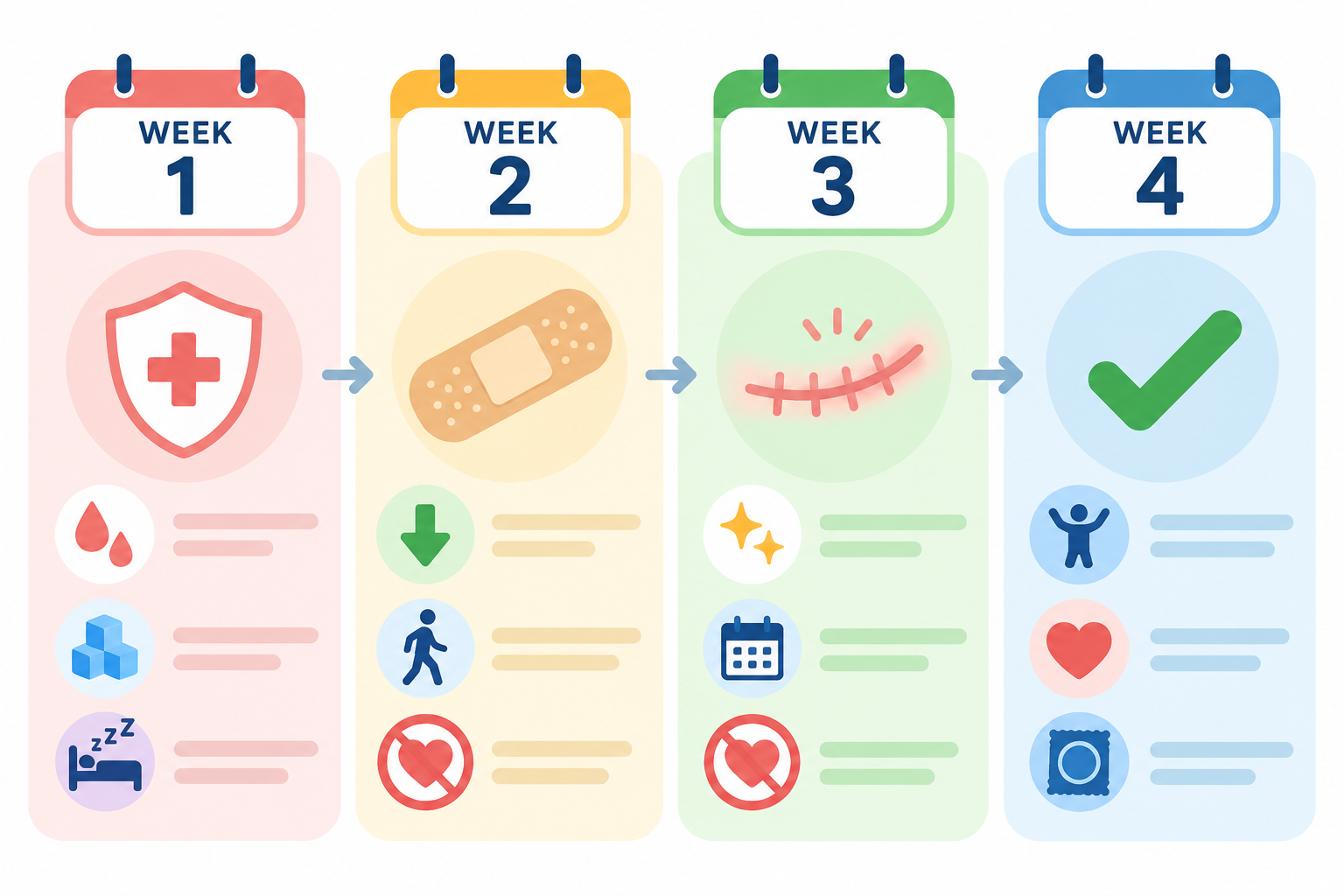
Some swelling, redness, and sensitivity can occur during the initial healing period. Parents receive instructions about wound care, bathing, clothing or diapers, physical activity, and follow-up appointments.
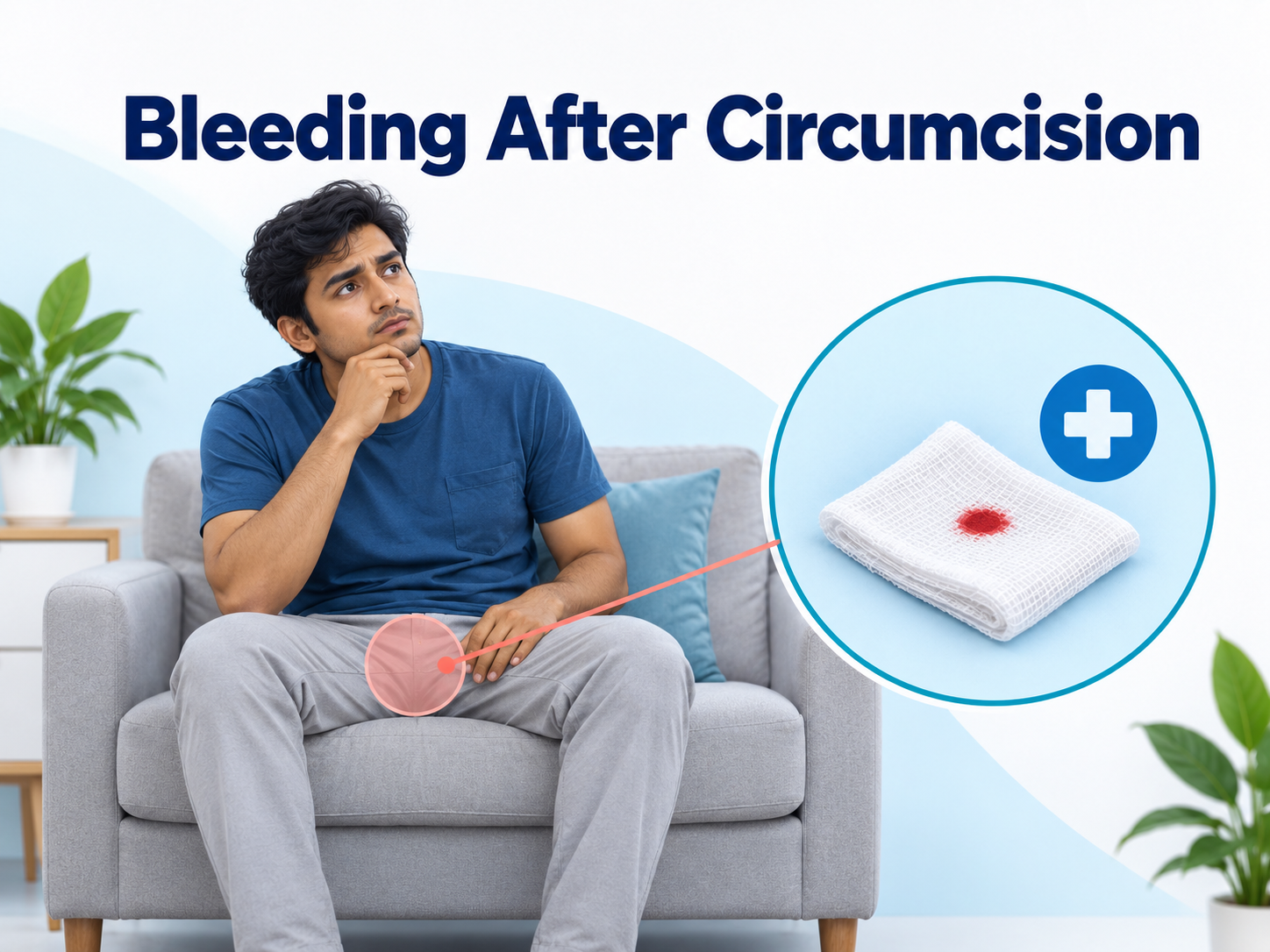
Contact the treating doctor promptly if there is significant bleeding, worsening swelling or redness, fever, difficulty passing urine, or another concerning symptom.
Doctor’s Suggestion
According to Dr. Ashutosh Shah, M.Ch. (Plastic Surgery), M.S., M.B.B.S., Plastic & Cosmetic Surgeon with over 25 years of experience, parents should avoid choosing the timing of pediatric circumcision based only on age. A proper examination helps determine whether the child's foreskin development is normal, whether a medical condition requires treatment, and which circumcision technique and timing may be most appropriate for the individual child.