Why Do Some Men Choose Low-Cut Circumcision?
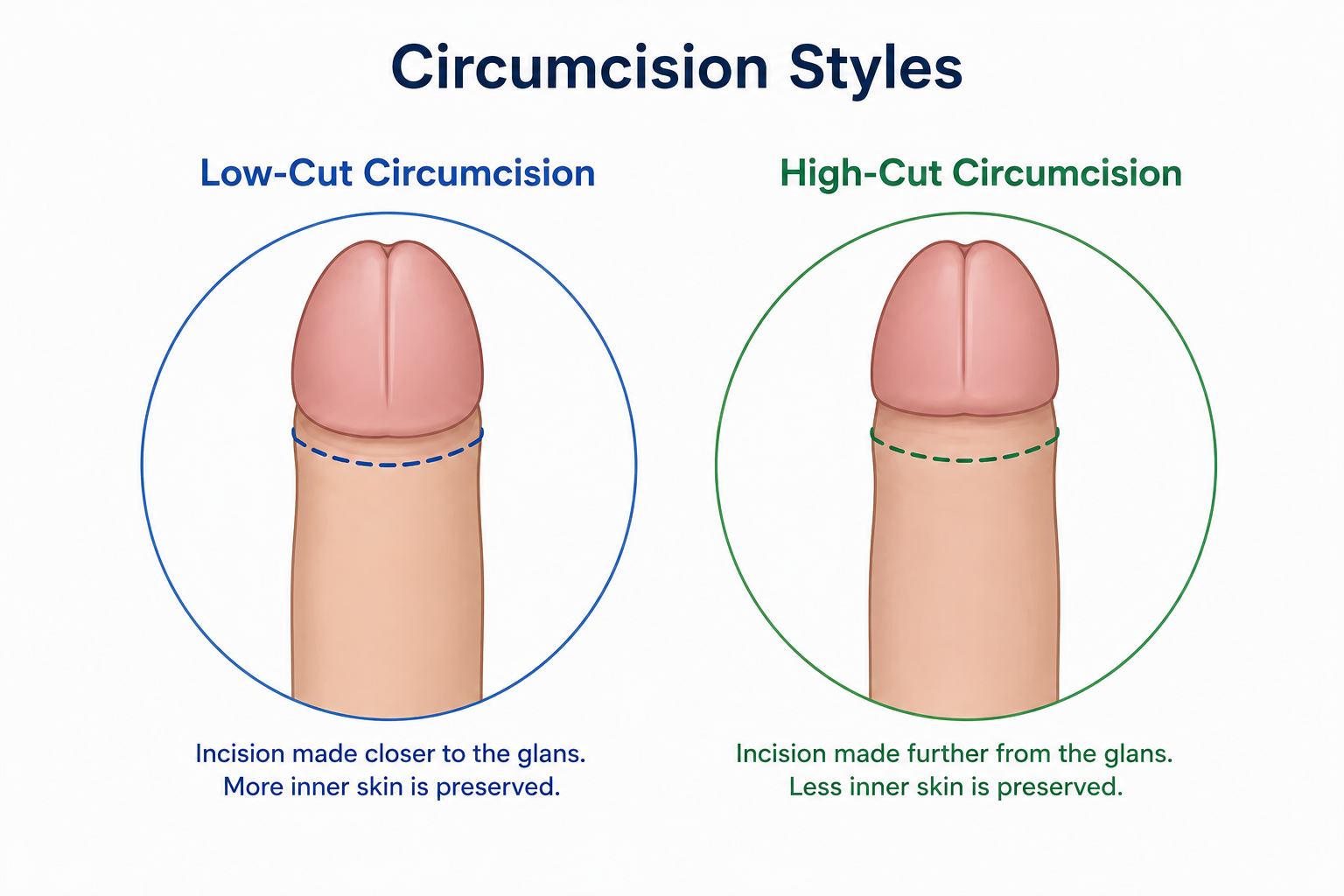
Some men choose low-cut circumcision because they prefer a specific circumcision style or need treatment for a foreskin-related condition. A low-cut technique places the circumcision scar closer to the head of the penis and removes more of the inner and outer foreskin compared with some other circumcision styles.
However, circumcision is not a one-size-fits-all procedure. The appropriate technique depends on the person's anatomy, medical needs, expectations, and the surgeon's assessment.
What Is Low-Cut Circumcision?
Low-cut circumcision refers to a circumcision technique in which the incision is positioned relatively close to the glans, or head of the penis. The surgeon removes the foreskin and creates a new edge between the remaining skin and the glans.
The amount of skin removed can vary depending on the individual's anatomy and the surgical plan.
For adults considering circumcision, understanding the different techniques can help them discuss their preferences with their surgeon before treatment.
Why Do Some Men Choose a Low-Cut Style?
There are several reasons why an adult may consider low-cut circumcision.
1. They Prefer the Appearance
Some men prefer the appearance associated with a lower circumcision line. Since circumcision changes the amount and position of remaining foreskin, men may have different preferences regarding the final appearance.
A consultation allows the patient to discuss these expectations with the surgeon before surgery.
2. Treatment for Foreskin Problems
Circumcision can treat conditions that affect the foreskin, including phimosis, where the foreskin is too tight to retract properly.
Men with recurrent foreskin infections, persistent inflammation, or other foreskin problems may also be advised to consider circumcision when other treatments are not suitable or have not provided adequate results.
In these situations, the medical condition is usually more important than the preferred circumcision style.
3. Hygiene Preferences
Some men choose circumcision because they find it easier to maintain penile hygiene without a foreskin covering the glans.
However, good hygiene is possible with or without circumcision. Therefore, hygiene preferences alone do not mean that every man needs circumcision.
4. Personal Preference
Adult circumcision is sometimes chosen for personal reasons. A man may have considered circumcision for years and decide to undergo the procedure as an adult.
In such cases, understanding the available techniques and discussing the desired outcome with an experienced surgeon can help establish realistic expectations.
Is Low-Cut Circumcision Better Than Other Styles?
There is no single circumcision style that is best for every man.
A low-cut technique may suit one patient, while another may benefit from a different approach. Factors such as foreskin tightness, penile anatomy, existing medical conditions, skin elasticity, and the patient's expectations can influence the surgical plan.
Therefore, it is better to think about which technique is appropriate for your individual needs rather than choosing a method based only on its name.
Can Low-Cut Circumcision Treat Phimosis?
Yes, circumcision can provide a permanent surgical solution for persistent phimosis by removing the tight foreskin.
However, not every case of phimosis automatically requires circumcision. Depending on the severity and cause, doctors may first consider other treatment options.
If surgery is recommended, the surgeon can explain how much foreskin needs to be removed and which technique is appropriate.
Does Low-Cut Circumcision Affect Sensation?
Circumcision changes the amount of foreskin covering the glans, so men may notice changes in how the penis feels after healing. However, individual experiences vary considerably.
Temporary sensitivity, swelling, or tenderness can occur during recovery. The final experience develops as the tissues heal, and the patient adjusts to the changes.
It is important to discuss concerns about sensation with the surgeon before surgery.
What Is Recovery Like?
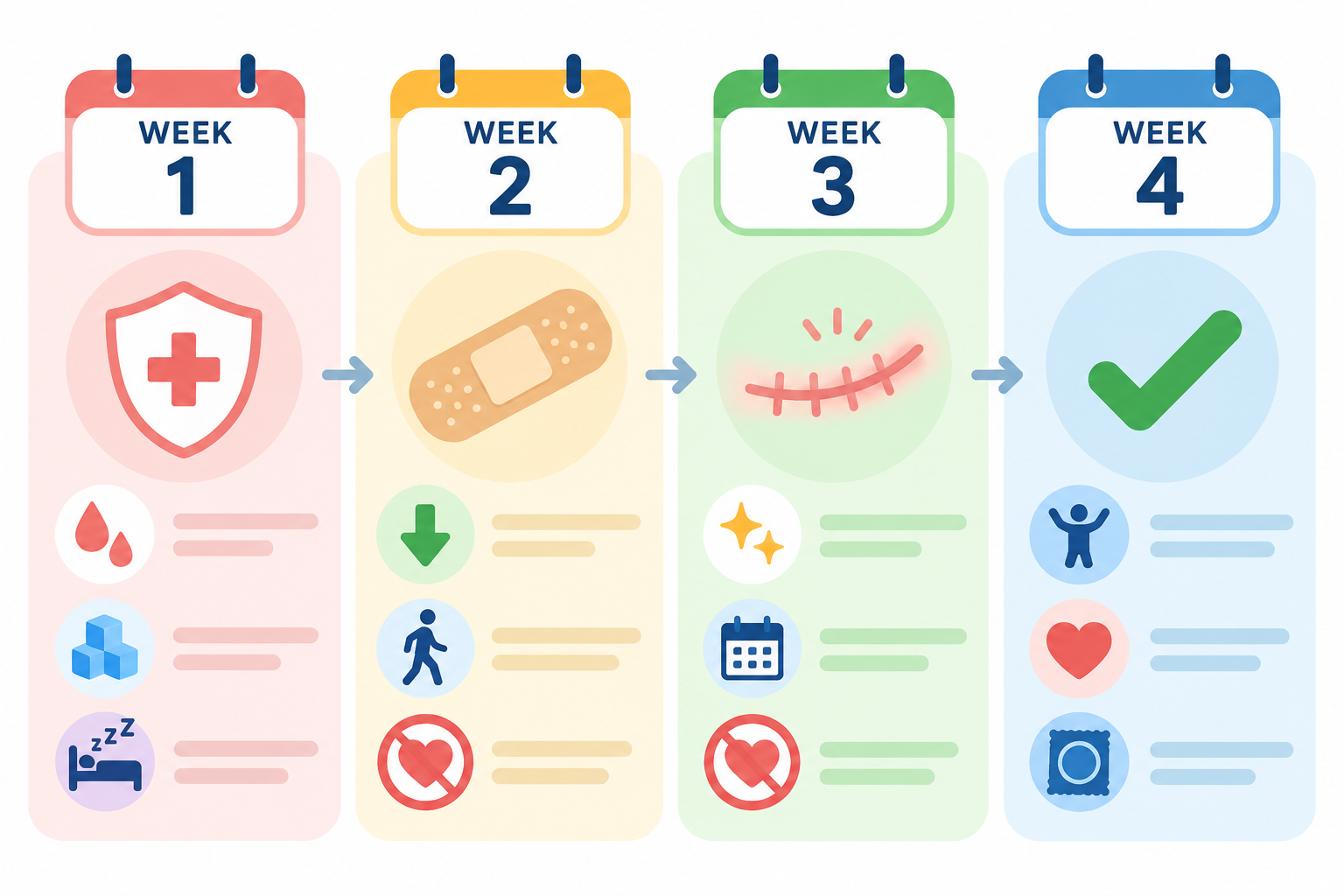
Recovery varies from person to person. Swelling, bruising, tightness, and mild discomfort can occur during the initial healing period.
Patients are generally advised to:
- Keep the surgical area clean according to medical instructions.
- Take prescribed medicines as directed.
- Avoid strenuous activities during the recommended recovery period.
- Wear appropriate clothing for comfort.
- Attend scheduled follow-up appointments.
- Avoid sexual activity until the surgeon confirms adequate healing.
Following postoperative instructions can help reduce complications and support proper healing.
Can Men Choose Their Circumcision Style?
In many cases, adults can discuss their preferred circumcision style with their surgeon. However, the final technique must take medical and anatomical factors into account.
A surgeon should explain what can realistically be achieved before the procedure. This is particularly important when the patient has specific expectations about the position of the circumcision line or the amount of remaining foreskin.
Low-Cut Circumcision at Dr. Ashutosh Shah's Clinic
At Elegance Clinic, Dr. Ashutosh Shah, a board-certified plastic surgeon with more than 22 years of experience, evaluates each patient individually before recommending a circumcision technique.
During consultation, he can assess the foreskin, identify conditions such as phimosis, discuss available circumcision approaches, and explain what results can realistically be expected.
Final Thoughts
Men may choose low-cut circumcision for different reasons, including personal appearance preferences, foreskin problems, hygiene preferences, or treatment of conditions such as phimosis. However, the most suitable technique depends on individual anatomy and medical needs.