What Is ZSR Stapler Circumcision?
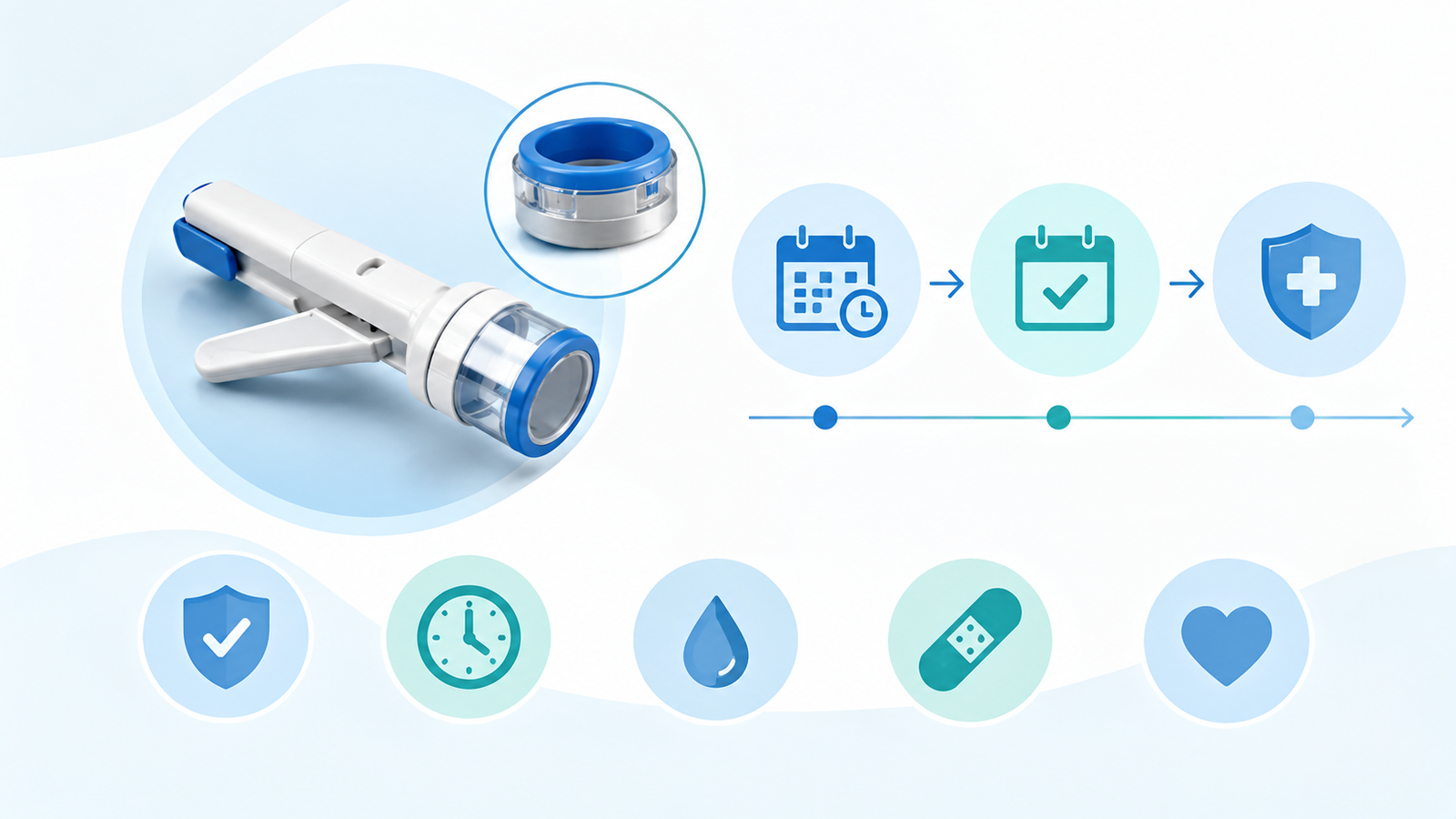
ZSR stapler circumcision is a surgical procedure that removes the foreskin using a specialised, single-use circular stapler device. The device cuts away the excess foreskin and places small staples along the wound edge in the same step. As a result, the surgeon does not need to close the wound with conventional hand-placed stitches.
This technique may be suitable for adult men who experience tight foreskin, repeated foreskin infections, or other medical problems that require circumcision. However, it is not the right option for every patient. A surgeon must examine the foreskin, check for infection or scarring, and assess general health before recommending a procedure.
At Elegance Clinic in Surat, Dr. Ashutosh Shah provides surgical care based on the patient's condition and treatment needs. If you are considering stapler circumcision in Surat, understanding the procedure, possible risks, and recovery can help you prepare for a consultation.
Why Might a Man Need Circumcision?
Circumcision involves removing the foreskin that covers the head of the penis. Doctors may recommend it when foreskin problems cause persistent discomfort or do not improve with appropriate treatment.
Common reasons include:
-
Phimosis: The foreskin is too tight to retract comfortably.
-
Repeated infections: Inflammation or infections affect the foreskin or the head of the penis.
-
Pain during erections: Tightness or scarring causes discomfort during erections or sexual activity.
-
Difficulty maintaining hygiene: A tight foreskin makes cleaning difficult.
-
Scarring or skin conditions: Certain conditions cause the foreskin to become tight or damaged.
Not everyone with a tight foreskin needs surgery. Depending on the cause and severity, a doctor may recommend medication or another treatment first. Do not forcefully pull back a tight or painful foreskin, as this can cause injury.
How Does the ZSR Stapler Circumcision Procedure Work?
ZSR circumcision is generally performed as a day care procedure. The exact steps, anaesthesia, and time required depend on the patient's condition and the surgeon's assessment.
1. Consultation and examination
First, the surgeon examines the foreskin and discusses your symptoms, medical history, and treatment goals. The surgeon also checks for inflammation, infection, scarring, and other factors that may affect healing.
If an active infection or another medical concern is present, it may need treatment before surgery. Additional tests may be advised when your medical history requires them.
2. Anaesthesia and preparation
The procedure is usually performed under local anaesthesia, which numbs the treatment area. The surgical area is cleaned, and the appropriate device size is selected.
3. Removal of the foreskin
The surgeon positions the circular stapler device according to the patient's anatomy. When activated, the device removes the targeted foreskin and places small staples along the wound edge.
This combined action helps control bleeding and brings the edges together for healing. Nevertheless, the outcome depends on correct patient selection, surgical technique, and aftercare.
4. Dressing and discharge
After the procedure, the surgeon applies a dressing and checks that the patient is comfortable. Many patients can return home the same day once they are medically ready for discharge.
Your surgical team will explain how to care for the area, which medicines to take, and when to attend follow-up appointments.
What Are the Benefits of ZSR Stapler Circumcision?
For suitable patients, ZSR stapler circumcision may offer several practical advantages.
-
Short procedure time: The cutting and closure steps are combined, so the procedure is often relatively quick.
-
No conventional stitches: The technique does not require the usual hand-placed sutures along the wound edge.
-
Controlled wound closure: The device places staples around the wound edge in a consistent pattern when used correctly.
-
Potentially less bleeding: The stapling mechanism helps seal the wound edge, although some bleeding can still occur.
-
Day care treatment: Many patients can go home on the same day.
-
No routine stitch removal: The staples or device components are managed according to the device and surgeon's instructions, and some may separate naturally as healing progresses.
However, these benefits are not guarantees. ZSR circumcision does not eliminate surgical risks, and it may not provide faster healing for every patient. The most appropriate technique depends on individual anatomy, the underlying condition, and the surgeon's assessment.
What Are the Risks and Side Effects?
Although ZSR stapler circumcision is commonly performed in suitable patients, it remains a surgical procedure. You should understand its possible side effects before deciding.
Common temporary effects may include:
-
Mild pain or discomfort during the initial recovery period.
-
Swelling or bruising around the wound.
-
Increased sensitivity of the exposed head of the penis.
-
Small spots of blood on the dressing.
-
Discomfort during erections while the area heals.
These symptoms should generally improve with time. However, complications can occur, and some may require medical treatment.
Possible complications include:
-
Persistent or heavy bleeding.
-
Wound infection.
-
Delayed healing or separation of the wound edges.
-
Staples that remain in place longer than expected.
-
Uneven healing or an unsatisfactory cosmetic result.
-
Problems related to device placement or the patient's anatomy.
Contact your surgeon promptly if pain or swelling worsens, you notice pus-like discharge, or develop a fever. Seek urgent medical attention for heavy bleeding, severe pain, or difficulty passing urine. Do not attempt to remove staples or manipulate the wound yourself.
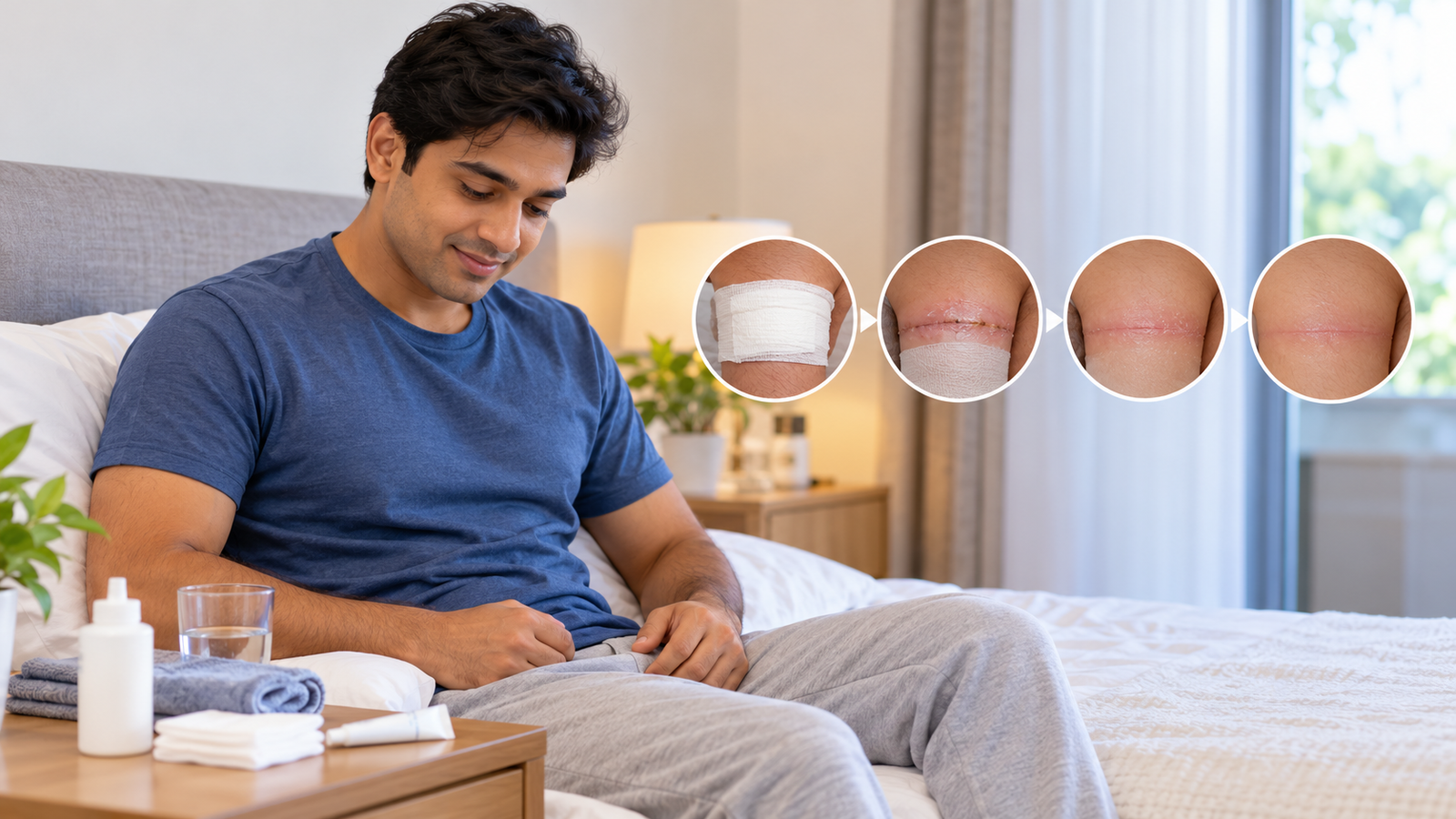
ZSR Stapler Circumcision Recovery: What to Expect
Recovery varies from person to person. The timeline below is a general guide, not a guarantee of when you will heal completely.
First 1 to 3 days
Mild discomfort, swelling, and sensitivity are common. Rest as advised, keep the dressing in place for the recommended period, and take prescribed medicines according to your surgeon's instructions.
Avoid unnecessary friction or pressure on the area. Contact your surgical team if the dressing becomes soaked with blood or you have difficulty urinating.
Days 4 to 7
Many patients can resume light daily activities or desk work within a few days, depending on their comfort and the nature of their job. Continue following the wound care instructions.
Do not assume that the wound is fully healed just because the pain has reduced. The area still needs protection while healing continues.
Weeks 2 to 4
Swelling and sensitivity should gradually settle. Staples or other device components may loosen and separate during this period, depending on the device used and individual healing.
Never pull off a remaining staple. If a staple appears stuck, causes pain, or remains beyond the period advised by your surgeon, arrange a review.
Around 4 to 6 weeks
Some patients need several weeks for complete healing. Avoid masturbation and sexual activity until the wound has healed fully and your surgeon confirms that it is safe to resume. Heavy exercise, cycling, and other activities that put pressure on the area should also be restarted only as advised.
How Can You Support Healing After Stapler Circumcision?
Good aftercare helps reduce avoidable problems and supports recovery.
-
Follow your dressing instructions. Keep the dressing on for the period advised by your surgeon.
-
Maintain gentle hygiene. Clean the area only as instructed, and avoid scrubbing or applying unapproved products.
-
Take medicines as prescribed. Do not start or stop antibiotics or other medicines without medical advice.
-
Wear comfortable underwear. Choose supportive clothing that limits friction without causing pressure or discomfort.
-
Avoid strenuous activity initially. Gradually return to exercise when your surgeon says it is appropriate.
-
Do not disturb the wound. Avoid pulling staples, picking at healing skin, or forcing the foreskin.
-
Attend follow-up visits. Your surgeon can check healing and address any remaining staples or concerns.
If you have diabetes, take blood thinners, or have a condition that affects wound healing, tell your surgeon before the procedure. You may need additional precautions or a more individualised recovery plan.
Is ZSR Stapler Circumcision Right for You?
ZSR stapler circumcision may be an option for adult men who need foreskin removal and are suitable for the technique. However, conventional circumcision or another approach may be more appropriate in certain cases, particularly when there is significant scarring, unusual anatomy, or an active medical problem.
The best way to choose is through an examination and a discussion of the benefits, risks, expected recovery, and cost of each suitable option.
If you are considering stapler circumcision in Surat, consult a qualified surgeon who can explain the procedure and provide personalised advice. You can learn more about ZSR stitchless circumcision surgery at Elegance Clinic and discuss whether it is appropriate for your condition.
Medical disclaimer: This article provides general educational information and does not replace an examination or personalised medical advice. Consult a qualified medical professional before choosing a circumcision technique.
About the author
Dr. Ashutosh Shah is the Director of Elegance Clinic, Surat, and a board-certified plastic, reconstructive, and cosmetic surgeon with over 22 years of surgical experience. Treatment decisions should be based on an individual consultation and clinical assessment.