
Circumcision in Athwa, Surat: Procedure, Recovery and Cost Factors
Circumcision is a surgical procedure that removes the foreskin covering the head of the penis. It may be recommended for medical conditions such as pathological phimosis or recurrent foreskin problems, or chosen for personal reasons. Patients usually begin with a consultation, complete any necessary assessments and plan treatment, recovery, and follow-up visits with their surgeon.
-
Circumcision may be performed for medical, religious, cultural or personal reasons.
-
Not every foreskin problem requires surgery; nonsurgical treatments may be appropriate.
-
The surgeon assesses medical history, anatomy and treatment expectations before recommending a procedure.
-
Anaesthesia and surgical techniques are selected according to individual needs.
-
Recovery involves wound care, temporary activity restrictions and follow-up appointments.
-
The final cost depends on surgical complexity, anaesthesia, facility charges and postoperative care.
-
Patients should confirm travel arrangements and follow-up requirements before treatment.
What Is Circumcision and Who Is It For?
Circumcision involves surgically removing the foreskin, which normally covers the head of the penis.
It may be performed for medical indications or personal preferences after an informed discussion about the benefits, risks and alternatives.
Medical Reasons for Circumcision
A surgeon may recommend circumcision for selected patients with:
-
Pathological phimosis: Tightness or scarring that prevents normal foreskin movement and causes symptoms.
-
Recurrent balanitis: Repeated inflammation of the head of the penis that does not respond adequately to appropriate treatment.
-
Balanitis xerotica obliterans: A scarring condition associated with lichen sclerosus.
-
Recurrent foreskin infections: Persistent problems despite suitable medical care.
-
Other foreskin abnormalities: Conditions causing functional difficulty or significant discomfort.
Not every case of tight foreskin requires circumcision.
Depending on the diagnosis, topical treatments or other procedures may be considered.
Personal and Cultural Reasons
Some adults choose circumcision for religious, cultural, hygiene-related or personal reasons.
The surgeon should explain realistic expectations and possible complications before surgery.
Who May Need Additional Assessment?
Patients with diabetes, bleeding disorders, active infections or significant medical conditions may require additional evaluation.
Previous surgery or unusual anatomy may also affect the treatment plan.
For an overview of available options, read about adult circumcision.
How Is Circumcision Done? Step by Step
The circumcision procedure follows a planned surgical process.
The exact technique may differ according to the patient's anatomy, medical indication, and the surgeon's assessment.
Step 1: Initial Consultation
The surgeon discusses the patient's symptoms, medical history and reasons for considering circumcision.
Patients should mention previous infections, allergies, medications and any history of bleeding problems.
The consultation also provides an opportunity to discuss treatment alternatives.
Step 2: Physical Examination
The surgeon examines the foreskin and surrounding anatomy.
This assessment helps identify scarring, inflammation, adhesions or other conditions that may influence the procedure.
Step 3: Preoperative Assessment
Some patients may require blood tests or additional medical evaluation.
Investigations are selected according to clinical need rather than automatically for every patient.
Patients taking blood thinners should receive specific medication instructions.
Never stop prescribed medicines without medical advice.
Step 4: Anaesthesia Planning
Circumcision may be performed using local anaesthesia or another suitable approach.
The anaesthesia choice depends on the patient's health, procedure complexity and surgical plan.
Patients should discuss pain control, possible side effects and postoperative restrictions.
Read more about circumcision anaesthesia.
Step 5: Surgical Procedure
After appropriate preparation and anaesthesia, the surgeon removes the planned amount of foreskin.
Bleeding is controlled, and the wound is closed or managed according to the chosen technique.
A dressing may be applied when appropriate.
Step 6: Postoperative Observation
The medical team checks the patient's condition and recovery from anaesthesia.
Before discharge, patients should receive instructions about wound care, medicines and warning signs.
Step 7: Follow-Up Care
Follow-up appointments allow the surgeon to assess healing and address concerns.
The exact schedule depends on the technique and individual recovery.
Recovery: What Do the First Weeks Look Like?
Recovery after circumcision varies depending on the patient's health, surgical technique and wound healing.
Mild swelling, bruising and discomfort may occur during the early postoperative period.
First 24–48 Hours
Patients may experience tenderness, swelling and minor spotting.
Take prescribed medicines according to the surgeon's instructions.
Avoid unnecessary physical strain and keep the dressing clean as advised.
Days 3–7
Discomfort may gradually decrease, although swelling can remain.
Follow wound-cleaning instructions and avoid unapproved creams or antiseptics.
Do not pull at stitches or disturb the wound.
Week 2
Healing generally continues, but the wound may not yet be fully healed.
Patients should avoid activities that cause pressure or friction.
Attend recommended follow-up appointments.
Weeks 3–4
Swelling and tenderness may continue improving.
However, returning to sports, heavy lifting or sexual activity requires the surgeon's approval.
Beyond Four Weeks
Healing and scar maturation may continue after the initial recovery period.
The final appearance can change as residual swelling settles.
For additional guidance, read circumcision healing time.
Recovery Timeline
| Recovery Stage | What to Expect | Recommended Care |
|---|---|---|
| First 1–2 days | Tenderness, swelling and mild spotting | Rest and follow medication instructions |
| Days 3–7 | Early wound healing | Maintain recommended hygiene |
| Week 2 | Gradual improvement | Attend follow-up appointments |
| Weeks 3–4 | Continued healing | Avoid strenuous activities without clearance |
| Beyond 4 weeks | Further settling of swelling and scars | Follow the surgeon's recovery advice |
Warning Signs During Recovery
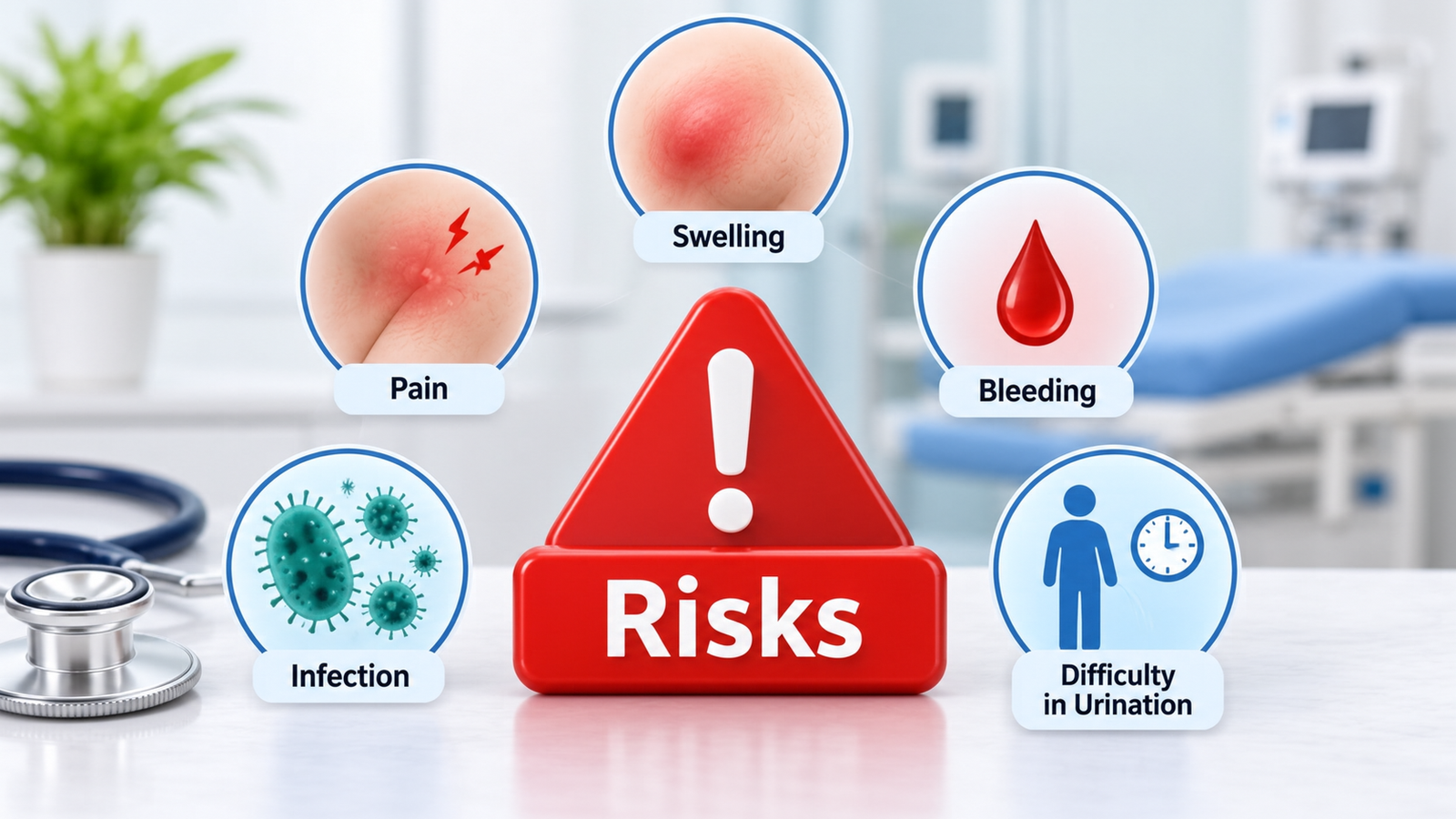
Contact the clinic promptly if you experience:
-
Heavy or persistent bleeding.
-
Increasing redness or swelling.
-
Fever with concerning wound symptoms.
-
Pus or foul-smelling discharge.
-
Severe or worsening pain.
-
Difficulty passing urine.
-
Concerning changes in skin colour.
Inability to urinate or uncontrolled bleeding requires urgent medical attention.
Which Factors Change the Cost?
The cost of circumcision depends on several medical and practical factors.
A final quotation should follow the surgeon's examination and treatment recommendation.
1. Surgical Technique
Different surgical methods may involve different equipment, materials and operating requirements.
2. Anaesthesia
The selected anaesthesia method may influence facility and professional charges.
3. Medical Complexity
Patients with significant scarring, recurrent infections or previous procedures may require additional planning.
4. Medical Investigations
Blood tests or specialist assessments may be necessary for selected patients.
5. Facility Charges
Operating theatre, nursing and postoperative observation charges can affect the total cost.
6. Medicines and Follow-Ups
The quotation may or may not include medicines, dressings and follow-up appointments.
Cost Factors Checklist
| Cost Component | What to Confirm |
|---|---|
| Consultation | Is the first appointment charged separately? |
| Surgeon fees | What does the quoted fee include? |
| Anaesthesia | Which method is planned? |
| Surgical facility | Are operating and observation charges included? |
| Investigations | Which tests are required? |
| Medicines | Are postoperative medicines included? |
| Dressings | Are dressing changes included? |
| Follow-ups | How many appointments are covered? |
Patients should request a written estimate explaining what is included and excluded.
Circumcision in Athwa Surat: Planning Your Clinic Visit
Patients considering circumcision in athwa surat can begin by arranging a consultation to understand whether surgery is appropriate.
Planning appointments, transport and recovery time before treatment can make the process more manageable.
Before Your Appointment
Prepare the following information:
-
Current symptoms and their duration.
-
Previous treatments for foreskin problems.
-
Medical conditions such as diabetes.
-
Current medicines and supplements.
-
Allergies and previous surgical history.
-
Questions about procedure options and recovery.
During the Consultation
The surgeon assesses the condition and explains whether circumcision is necessary.
Patients should discuss the expected benefits, risks, alternatives, anaesthesia and total treatment cost.
Planning the Procedure Date
Choose a date that allows sufficient recovery time.
If your work involves physical activity, ask whether additional leave will be required.
Travel After Treatment
Patients receiving sedation or general anaesthesia may need an adult escort and should not drive until medically cleared.
Even after local anaesthesia, travel plans should account for discomfort and wound protection.
Follow-Up Planning
Confirm the number of expected appointments and how to contact the clinic if concerns develop.
Questions to Ask Before You Decide
Before proceeding with circumcision, patients should understand the proposed treatment and possible outcomes.
Useful questions include:
-
Is circumcision medically necessary in my case?
-
Are nonsurgical treatment options available?
-
Which surgical technique is appropriate?
-
What type of anaesthesia will be used?
-
What complications should I know about?
-
How long should I take leave from work?
-
When can I resume exercise and sexual activity?
-
What is included in the treatment cost?
-
How many follow-up visits will be needed?
-
What should I do if bleeding or infection occurs?
Understanding Possible Risks
Circumcision carries risks, including bleeding, infection, wound-healing problems, scarring and changes in sensation.
Some complications may require further treatment.
The surgeon should explain these risks and discuss realistic expectations before obtaining informed consent.
Consultation With Dr. Ashutosh Shah
Dr. Ashutosh Shah (M.S., M.Ch., D.N.B.) is a Plastic, Reconstructive and Cosmetic Surgeon associated with Elegance Clinic.
A consultation helps patients understand whether circumcision is appropriate for their medical condition or personal needs.
The surgeon can assess the foreskin, discuss available procedures and explain recovery expectations.
Patients should also ask about treatment costs, anaesthesia, postoperative care and follow-up arrangements.
For appointment information, contact us.
Conclusion
Circumcision is a planned surgical procedure that requires appropriate assessment, informed consent and postoperative care.
Patients should understand the reason for surgery, available techniques, anaesthesia, recovery requirements and possible complications.
Planning transport, work leave and follow-up appointments before treatment can make recovery easier to manage.
Dr. Ashutosh Shah at Elegance Clinic can provide an individual assessment and discuss suitable treatment options.