
Laser Circumcision in Adajan, Surat: Procedure, Recovery and Cost Factors
Laser circumcision is a surgical treatment used to remove the foreskin when medically appropriate. The process involves consultation, examination, a planned procedure, recovery, and follow-up care. Patients from Adajan can begin with a consultation, complete any necessary tests, and schedule treatment on a suitable date.
Key Takeaways
-
Laser circumcision uses laser energy to cut foreskin tissue and assist with bleeding control.
-
Doctors may recommend circumcision for symptomatic phimosis, recurrent inflammation or certain foreskin conditions.
-
The procedure requires appropriate anaesthesia and surgical precautions.
-
Most adults need several weeks for complete wound healing.
-
Treatment costs depend on the surgeon, anaesthesia, facilities and postoperative care.
-
Follow-up appointments help monitor healing and identify complications.
What Is Laser Circumcision and Who Is It For?
Laser circumcision is a surgical technique that uses focused laser energy to remove the foreskin covering the head of the penis.
Unlike conventional circumcision, which typically uses a surgical blade or scissors, laser-assisted circumcision uses laser energy for tissue cutting and may assist with controlling bleeding.
However, the procedure is still surgery. It requires suitable anaesthesia, sterile conditions and postoperative care.
Who May Need Laser Circumcision?
Doctors may consider circumcision for patients experiencing:
-
Symptomatic phimosis: A tight foreskin that causes pain, difficulty with retraction or hygiene problems.
-
Recurrent balanitis: Repeated inflammation affecting the glans or foreskin.
-
Foreskin scarring: Persistent tightening or scarring that affects normal function.
-
Selected dermatological conditions: Certain conditions, including lichen sclerosus, may require surgical assessment.
-
Other individual reasons: Circumcision may also be requested for personal or religious reasons after appropriate counselling.
Not every tight foreskin requires surgery. Depending on the diagnosis, topical medicines or other treatments may be considered.
Patients wondering whether surgery is necessary can read can laser circumcision help with tight foreskin.
Is Laser Better Than Conventional Circumcision?
Laser-assisted and conventional techniques have different instruments and technical considerations.
Neither approach guarantees painless treatment, faster healing or freedom from complications.
The appropriate technique depends on the patient's anatomy, medical condition, and the surgeon's assessment.
For a comparison, read is laser circumcision better.
How Is Laser Circumcision Done? Step by Step
Understanding the laser circumcision procedure steps can help patients prepare for treatment.
Step 1: Initial Consultation
The surgeon discusses symptoms, medical history, medications, allergies and previous treatments.
A physical examination helps determine whether circumcision is appropriate.
Patients should disclose diabetes, bleeding disorders and medicines that affect blood clotting.
Step 2: Preoperative Assessment
The surgeon decides whether any investigations are needed.
Not every patient requires the same tests. Additional assessment may be recommended for patients with certain medical conditions.
Step 3: Anaesthesia
Local anaesthesia is commonly used for adult circumcision.
Some patients may require sedation or general anaesthesia depending on clinical circumstances.
The anaesthesia plan should be explained before treatment.
Step 4: Surgical Procedure
After preparing the surgical area, the surgeon uses the selected technique to remove the appropriate amount of foreskin.
When laser energy is used, it cuts tissue and may assist with haemostasis.
The wound edges are then secured as required by the surgical technique. Laser circumcision does not necessarily eliminate the need for stitches.
Step 5: Dressing and Observation
After surgery, the team checks bleeding, pain and the patient's overall condition.
A dressing may be applied, and the patient receives instructions about medicines, hygiene and activity restrictions.
Step 6: Discharge and Follow-Up
Discharge depends on the patient's recovery from anaesthesia, pain control and the absence of immediate complications.
The clinic should provide clear contact information for postoperative concerns.
For an overview of treatment options, see modern circumcision treatment laser circumcision.
Recovery: What Do the First Weeks Look Like?
Recovery after laser circumcision varies between patients.
General health, wound condition, smoking, diabetes and postoperative care can affect healing.
First 24–48 Hours
Mild bleeding or spotting, swelling, tenderness and discomfort may occur.
Patients should rest, take prescribed medicines and follow dressing instructions.
Significant bleeding or difficulty passing urine requires urgent medical attention.
Days 3–7
Some discomfort may begin to improve, although swelling can remain.
Patients should avoid activities that cause friction or pressure around the surgical site.
Loose, comfortable clothing may help reduce irritation.
Week 2
Many patients become more comfortable with light daily activities.
However, the wound may still be healing. Patients should avoid assuming that reduced pain means complete recovery.
Weeks 3–4
Swelling and tenderness often continue to improve.
Follow-up assessment may be needed if healing is delayed or symptoms are concerning.
Weeks 4–6
Many adults experience substantial wound healing within approximately four to six weeks.
However, swelling and scar appearance may continue changing beyond this period.
Sexual activity should generally be avoided for at least four weeks and until the wound has healed sufficiently, following the surgeon's advice.
Recovery Timeline
| Recovery Stage | What to Expect | Recommended Action |
|---|---|---|
| First 1–2 days | Swelling, tenderness and mild discomfort | Rest and follow medication instructions |
| Days 3–7 | Gradual improvement may begin | Maintain wound hygiene |
| Week 2 | Light activities may become easier | Avoid unnecessary friction |
| Weeks 3–4 | Further wound healing | Attend recommended follow-ups |
| Weeks 4–6 | Substantial healing for many adults | Resume activities only when medically appropriate |
| Beyond 6 weeks | Scar and appearance may continue settling | Seek review for persistent symptoms |
Laser Circumcision in Adajan Surat: How Should Patients Plan Treatment?
Patients researching laser circumcision in Adajan, Surat should plan more than the procedure date.
A consultation helps establish whether surgery is necessary and which technique is suitable.
Before Your Appointment
Prepare information about:
-
Current symptoms and how long they have been present.
-
Previous infections or foreskin treatments.
-
Regular medicines and allergies.
-
Diabetes or other medical conditions.
-
Questions about anaesthesia, cost and recovery.
On the Procedure Day
Confirm whether fasting is required. Fasting instructions depend on the anaesthesia plan.
Arrange transport if sedation or general anaesthesia is planned, or if the surgeon advises against driving.
Patients should also confirm the expected observation period before discharge.
Planning Your Return Home
Travel arrangements depend on the anaesthesia, pain level and postoperative condition.
Patients should avoid long or uncomfortable journeys immediately after treatment unless the surgeon considers them appropriate.
Planning Follow-Up Visits
Before leaving the clinic, confirm:
-
When the first review is required.
-
Whether additional visits may be necessary.
-
How to contact the clinic for urgent concerns.
-
Whether any follow-up can be performed remotely.
-
Where to seek emergency care if complications occur.
Which Factors Change the Cost of Laser Circumcision?
The cost of laser circumcision varies according to individual medical needs and treatment arrangements.
1. Complexity of the Condition
Uncomplicated foreskin tightness may require a different treatment plan from extensive scarring or recurrent inflammation.
Additional medical problems may also affect surgical planning.
2. Surgeon and Surgical Team Fees
Professional fees reflect the services provided by the surgeon and surgical team.
Patients should prioritise qualifications, appropriate clinical assessment and postoperative support.
3. Anaesthesia Charges
Local anaesthesia, sedation and general anaesthesia involve different resources and expenses.
4. Operating Room and Equipment
Laser equipment, sterile supplies, operating facilities and nursing services contribute to the total quotation.
5. Investigations and Medicines
Preoperative tests, prescribed medicines, and postoperative dressings may be included or charged separately.
6. Follow-Up Care
Some packages include scheduled postoperative visits, while others charge separately.
Patients should ask for a written estimate showing all expected charges.
Cost Planning Checklist
| Expense | What to Confirm |
|---|---|
| Consultation | Is the first visit charged separately? |
| Surgeon fees | Are all professional fees included? |
| Laser equipment | Is there a separate equipment charge? |
| Anaesthesia | Which type is included? |
| Operating facility | Are theatre and observation charges included? |
| Investigations | Which tests are necessary? |
| Medicines | Are postoperative medicines included? |
| Follow-up visits | How many appointments are covered? |
The final amount should be confirmed after examination rather than based solely on an advertised price.
Questions to Ask Before You Decide
Before scheduling surgery, patients should understand the expected benefits, risks, and alternatives.
Useful questions include:
-
Is circumcision medically necessary for my condition?
-
Are nonsurgical treatments appropriate?
-
Why is laser-assisted circumcision being recommended?
-
What type of anaesthesia will I need?
-
What complications should I know about?
-
How long should I avoid strenuous exercise?
-
When can I resume work and sexual activity?
-
What happens if the wound does not heal normally?
-
How many follow-up visits are included?
-
Can I receive a written cost estimate?
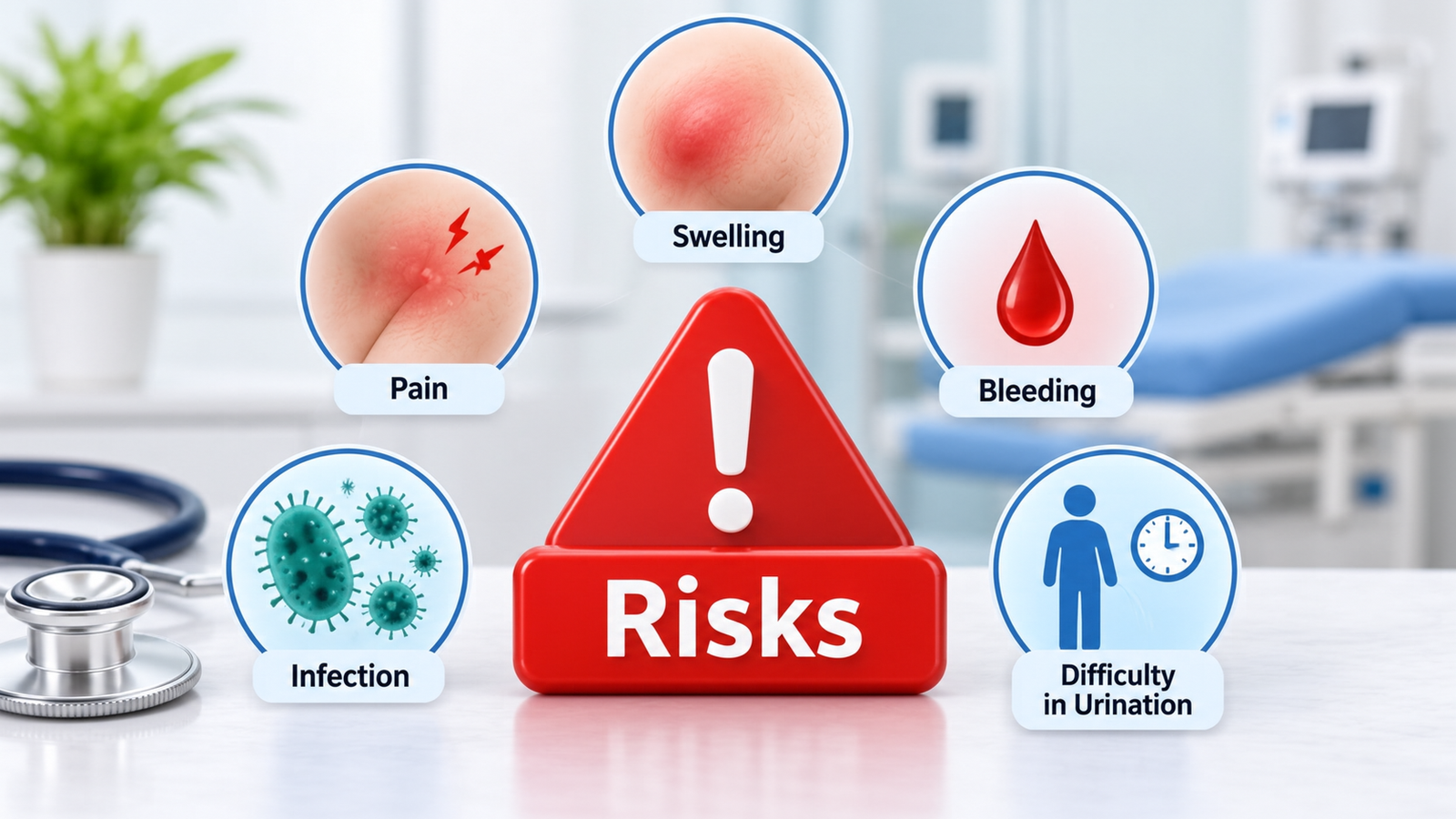
Potential complications include bleeding, infection, wound separation, delayed healing, altered sensitivity, and dissatisfaction with the cosmetic result.
The surgeon should explain these possibilities as part of informed consent.
When Should You Contact the Clinic After Surgery?
Mild swelling and tenderness can occur during normal healing.
However, some symptoms require prompt medical assessment.
Seek urgent medical care if you experience:
-
Heavy or persistent bleeding.
-
Inability to pass urine.
-
Rapidly increasing swelling.
-
Severe or worsening pain.
-
Fever with signs of wound infection.
-
Pus, significant discharge, or wound separation.
Do not wait for a routine follow-up appointment if a serious complication is suspected.
Consultation With Dr. Ashutosh Shah at Elegance Clinic
Dr. Ashutosh Shah (M.S., M.Ch., D.N.B.) is a Plastic, Reconstructive and Cosmetic Surgeon associated with Elegance Clinic.
A consultation can help patients understand whether circumcision is appropriate, which surgical options are available, and what recovery may involve.
The treatment plan should consider the patient's medical condition, expectations and individual risk factors.
Patients can discuss procedure suitability, anaesthesia, costs and follow-up arrangements before making a decision.
To enquire about an appointment, contact us.
Conclusion
Laser circumcision may be an appropriate treatment for selected foreskin conditions, but suitability should be established through medical assessment.
Understanding the procedure, recovery expectations, possible complications, costs, and follow-up arrangements helps patients make informed decisions.
Patients can consult Dr. Ashutosh Shah at Elegance Clinic to discuss their symptoms, available treatments, and an individualised surgical plan.