Paraphimosis Treatment for Patients from Jamnagar: Planning Your Visit to Surat
Paraphimosis treatment in Jamnagar requires immediate medical attention when the retracted foreskin becomes trapped and restricts blood circulation. Treatment may involve manual reduction or emergency surgery. Once the emergency has been resolved, patients can plan a specialist consultation with Dr. Ashutosh Shah to discuss recovery, recurrence prevention, and further treatment options.
Paraphimosis is a medical emergency. Patients experiencing active symptoms should visit the nearest emergency department without delaying treatment for travel.
Key Takeaways
-
Paraphimosis occurs when the retracted foreskin becomes trapped behind the head of the penis.
-
Immediate medical treatment helps prevent permanent tissue damage.
-
Manual reduction may resolve the condition without surgery.
-
Surgical intervention may be necessary when manual reduction fails.
-
Circumcision may help prevent recurrent episodes in suitable patients.
-
Recovery and treatment costs depend on the severity and treatment method.
-
Dr. Ashutosh Shah at Elegance Clinic can provide specialist assessment for underlying foreskin conditions and recurrence prevention.
What Is Paraphimosis Treatment and Who Is It For?
Paraphimosis is a condition in which the foreskin becomes trapped behind the head of the penis and cannot return to its normal position.
The trapped foreskin can cause swelling, pain and restricted blood circulation. Without timely treatment, the condition may result in serious tissue damage.
Unlike phimosis, which involves difficulty retracting the foreskin, paraphimosis occurs after the foreskin has already been retracted.
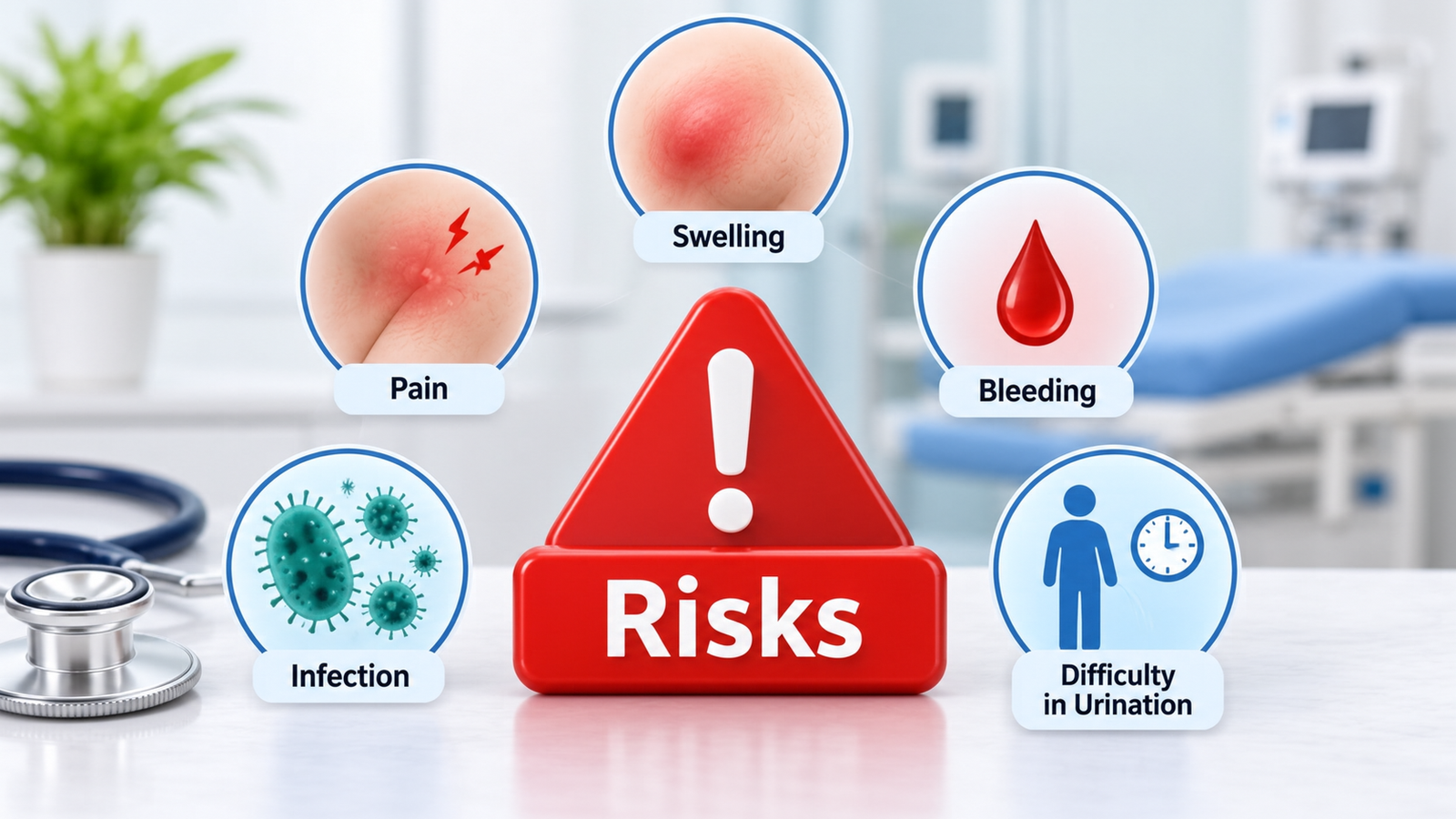
Common Symptoms of Paraphimosis
Patients may experience:
-
Sudden swelling of the foreskin.
-
Pain and tenderness.
-
Difficulty returning the foreskin to its normal position.
-
Increasing discomfort.
-
Difficulty passing urine.
-
Unusual skin discolouration.
What Causes Paraphimosis?
Paraphimosis may develop because of underlying foreskin tightness, inflammation, infection, injury or failure to return the foreskin to its normal position after a medical examination or catheterisation.
Forceful foreskin retraction can also increase the risk.
Who Needs Treatment?
Anyone experiencing active paraphimosis requires immediate medical assessment, regardless of age.
Patients who have already received emergency care may benefit from a specialist consultation to identify underlying causes and reduce the likelihood of recurrence.
How Is Paraphimosis Treatment Done, Step by Step?
Understanding the procedure steps helps patients know what to expect during emergency treatment and subsequent specialist care.
The primary objective is to relieve constriction, restore circulation and prevent further tissue injury.
Step 1: Immediate Medical Assessment
The doctor examines the affected area to assess swelling, foreskin position, skin colour and tissue condition.
Information about previous foreskin problems, infections, medicines and underlying health conditions may help guide treatment.
Routine investigations should not delay emergency intervention.
Step 2: Pain Management
Appropriate pain relief or local anaesthesia may be administered depending on the patient's discomfort and the planned treatment.
Pain management helps improve comfort during medical intervention.
Step 3: Manual Reduction
A trained medical professional may attempt to reduce swelling and return the foreskin to its normal position.
Manual reduction may successfully resolve paraphimosis without surgery.
Patients should not repeatedly attempt forceful reduction at home because this may cause additional injury and delay essential treatment.
Step 4: Surgical Intervention
When manual reduction is unsuccessful, an emergency surgical procedure may be necessary to release the constriction.
The choice of procedure depends on the severity of swelling, circulation and tissue condition.
Step 5: Preventive Treatment
After the emergency has resolved, circumcision may be considered for patients with significant foreskin tightness or recurrent paraphimosis.
Preventive surgery is planned according to the patient's condition and recovery.
Step 6: Follow-Up Care
Follow-up assessments help monitor healing, identify complications and evaluate the need for further treatment.
Patients receive instructions regarding hygiene, medication, activity restrictions and warning signs.
Quick Facts About Paraphimosis Treatment
| Factor | General Information |
|---|---|
| Treatment priority | Immediate emergency medical care |
| Procedure duration | Depends on severity and treatment method |
| Treatment options | Manual reduction or surgical intervention |
| Anaesthesia | Pain relief, local or general anaesthesia, as appropriate |
| Hospital stay | Depends on circulation, tissue condition and procedure |
| Back to work | Depends on discomfort, healing and job requirements |
| Circumcision recovery | Generally four to six weeks |
| Follow-up visits | Based on healing and recurrence risk |
Recovery estimates vary between individuals and should not be interpreted as guaranteed timelines.
Recovery: What Do the First Weeks Look Like?
Recovery following paraphimosis treatment in Jamnagar depends on the severity of the original condition and whether manual reduction or surgery was required.
Recovery After Manual Reduction
Patients may experience residual swelling, tenderness or sensitivity after successful manual reduction.
Symptoms should gradually improve as the tissues recover.
Avoid forceful foreskin retraction and follow the prescribed hygiene and medication instructions.
First Week After Surgery
Patients undergoing surgical treatment may experience swelling, bruising and discomfort.
Rest, loose clothing and appropriate wound care can help reduce unnecessary friction and pressure.
Prescribed medicines should be taken according to medical instructions.
Second Week
Swelling and discomfort may gradually decrease.
Some patients may resume light routine activities depending on their recovery and the procedure performed.
Heavy lifting, strenuous exercise and activities that irritate the healing area should be avoided.
Weeks Three to Six
Following circumcision, the surgical wound generally continues healing during this period.
Sexual activity and masturbation should be avoided for at least four weeks and until the wound has fully healed.
Recovery following other emergency procedures may differ.
Warning Signs During Recovery
Seek urgent medical attention if you experience:
-
Suddenly increasing swelling.
-
Severe or worsening pain.
-
Blue, purple, black or unusually pale skin.
-
Persistent bleeding.
-
Fever or pus discharge.
-
Difficulty passing urine.
-
Recurrent trapping of the foreskin.
These symptoms may indicate restricted circulation, infection or another complication requiring immediate assessment.
Which Factors Change the Cost of Paraphimosis Treatment?
The cost of paraphimosis treatment in Jamnagar depends on the severity of the condition, emergency care requirements and whether surgery is necessary.
Manual reduction may involve fewer procedural expenses than surgical treatment. However, additional medical care may be required when circulation is compromised or tissue damage is present.
Treatment Cost Breakdown
| Cost Factor | What It May Include |
|---|---|
| Emergency consultation | Immediate examination and assessment |
| Medical investigations | Tests required for individual medical needs |
| Pain management | Medicines or appropriate anaesthesia |
| Manual reduction | Professional non-surgical treatment |
| Surgical treatment | Emergency surgical release or circumcision |
| Hospital facilities | Procedure room, nursing and observation |
| Post-treatment medicines | Prescribed pain relief and other medicines |
| Follow-up care | Healing assessment and recurrence prevention |
Patients with diabetes, infections or other underlying medical conditions may require additional care.
For planned preventive surgery, request a written estimate explaining the included services, investigations, anaesthesia and postoperative care.
Emergency treatment should never be postponed solely to compare prices or arrange travel.
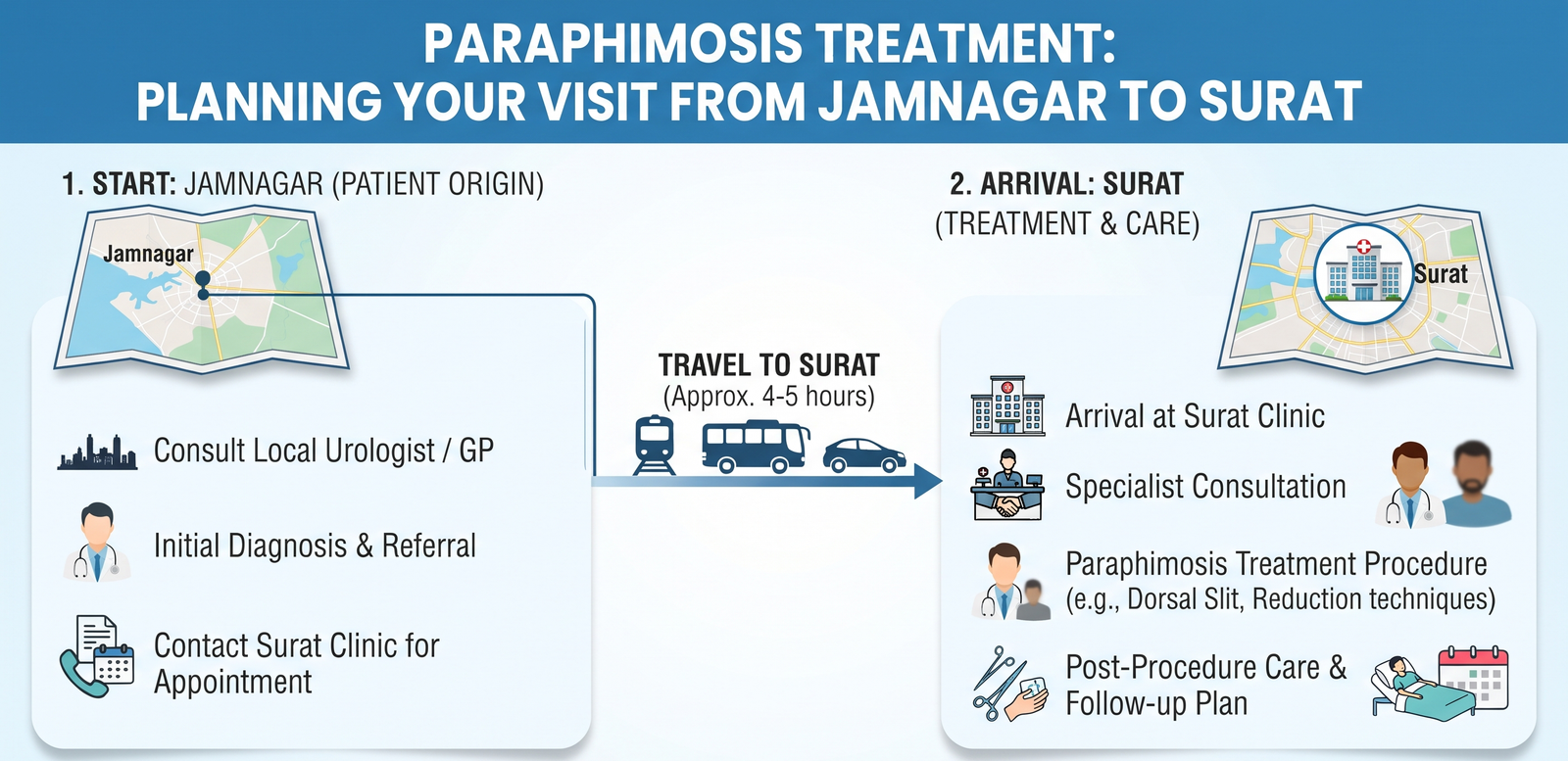
Paraphimosis Treatment in Jamnagar: How to Plan Your Clinic Visit
Patients who have received immediate emergency treatment may arrange a specialist consultation for further evaluation and recurrence prevention.
Dr. Ashutosh Shah (M.S., M.Ch., D.N.B.), Plastic, Reconstructive and Cosmetic Surgeon at Elegance Clinic, can assess underlying foreskin conditions and discuss suitable preventive treatment options.
Visit our about us page for information about the clinic.
What Should You Bring?
Prepare the following documents for your planned consultation:
-
Previous emergency treatment records.
-
Medical investigation reports.
-
Current prescriptions.
-
Details of previous foreskin problems.
-
Information about allergies and regular medicines.
-
Records of previous surgical procedures.
Patients with diabetes should also bring recent blood sugar reports if available.
Planning Your Appointment
A specialist consultation can help determine whether additional treatment is necessary after emergency care.
Patients with recurrent foreskin problems may be assessed for circumcision or other appropriate management options.
Planning Travel and Follow-Ups
Travel should only be planned once the immediate emergency has resolved and the patient's condition is medically stable.
Patients undergoing planned surgery should arrange comfortable transport and assistance if required.
For non-emergency appointments and follow-up information, contact us.
What Questions Should You Ask Before Deciding?
Patients considering further treatment after an episode of paraphimosis should understand their condition, available treatment options and recovery requirements.
Useful questions include:
-
What caused my episode of paraphimosis?
-
Is my underlying foreskin condition likely to cause recurrence?
-
Do I require circumcision?
-
Are non-surgical preventive options suitable?
-
What are the potential surgical complications?
-
How long will recovery take?
-
When can I return to work?
-
What precautions should I follow during healing?
-
What is included in the treatment cost?
-
Which symptoms require emergency medical attention?
Understanding these factors can help patients make informed decisions about planned preventive care.
Conclusion
Paraphimosis requires immediate medical treatment to relieve foreskin constriction and prevent tissue damage.
Patients exploring paraphimosis treatment in Jamnagar can arrange specialist follow-up with Dr. Ashutosh Shah at Elegance Clinic after receiving emergency care. Appropriate assessment, preventive treatment and postoperative care can help address underlying foreskin problems and reduce recurrence.
Patients travelling from Jamnagar can read about the dorsal slit procedure at our Surat clinic before their visit, and see how long paraphimosis treatment results last.