
Is phimosis treatment safe?
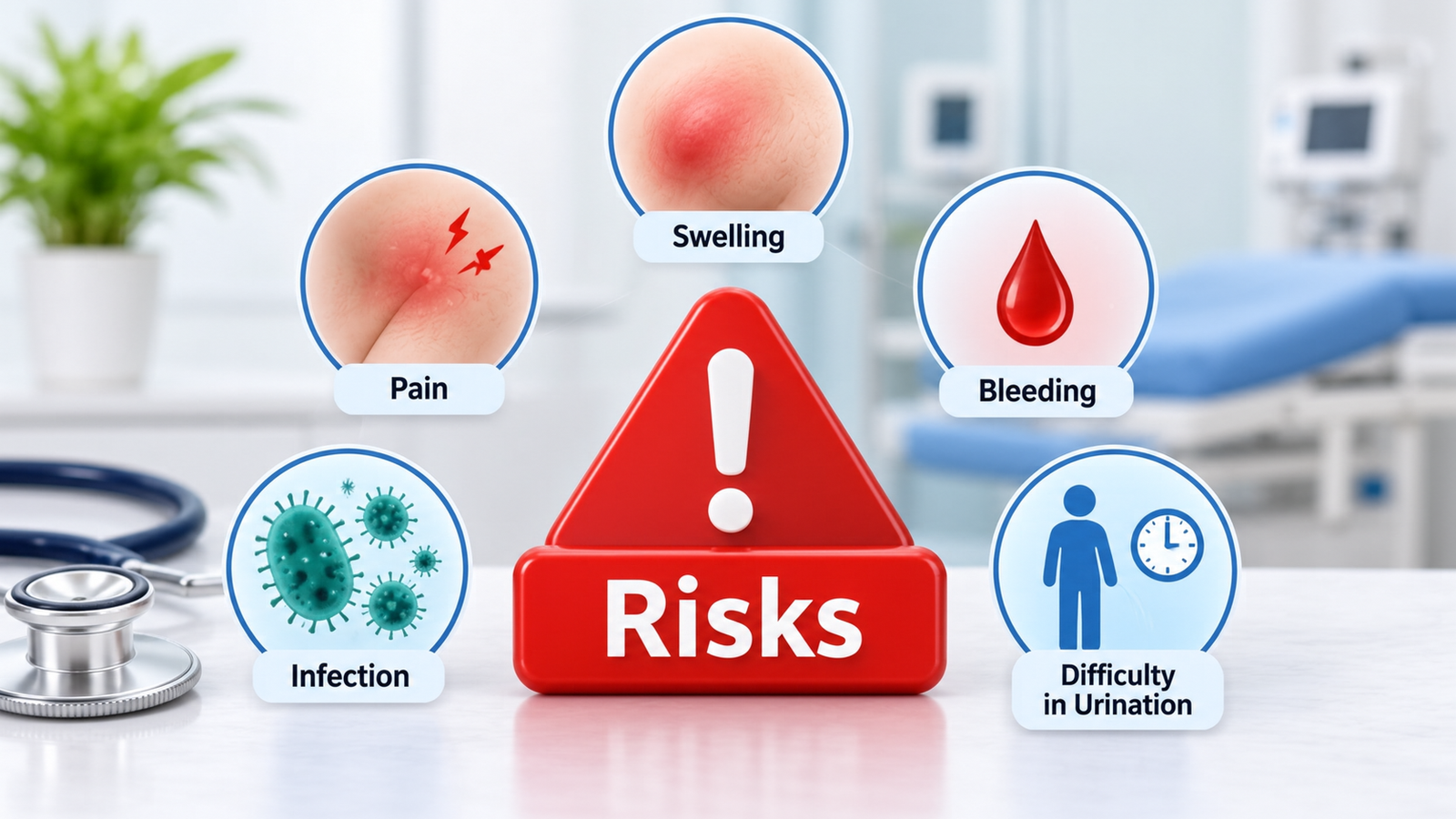
Phimosis treatment is generally safe when a qualified surgeon evaluates the condition, recommends the right treatment, and performs any required procedure in an appropriately equipped facility. However, like every medical treatment, it can involve temporary side effects and occasional complications. Understanding phimosis treatment risks helps patients make informed decisions and prepare for recovery.
Some patients need medication or conservative treatment, while others may benefit from circumcision. The right approach depends on the severity of tightness, the presence of scarring and the patient's overall health.
Which Side Effects Are Common and Temporary?
Most patients who undergo surgical treatment experience some temporary changes during recovery. These symptoms usually improve as the treated area heals.
Common side effects include:
1. Swelling: Mild swelling around the treated area is common after circumcision. It gradually reduces over the following weeks.
2. Pain and discomfort: Some soreness or tenderness can occur after surgery. Prescribed pain relief can help manage discomfort.
3. Bruising: Small areas of bruising may appear around the surgical site. These usually improve naturally.
4. Temporary sensitivity: The head of the penis may feel more sensitive after circumcision because it is exposed to clothing and external contact. This sensitivity generally changes with time.
5. Minor bleeding: A small amount of spotting may occur during the initial recovery period. Persistent or heavy bleeding requires medical attention.
These effects do not necessarily indicate a complication. However, patients should follow their surgeon's instructions and report unusual symptoms.
Which Phimosis Treatment Complications Are Rare but Important?
Although serious complications are uncommon, patients should understand the possible risks before agreeing to treatment.
Potential complications include:
-
Infection: Increasing redness, worsening pain, fever or unusual discharge may indicate an infection.
-
Persistent bleeding: Bleeding that continues despite appropriate pressure requires prompt medical assessment.
-
Delayed wound healing: Some patients take longer to heal because of underlying health conditions or wound-related problems.
-
Scarring: Scar tenderness or excessive scar tissue may develop during healing.
-
Changes in sensation: Some patients experience a lasting change in sensitivity after circumcision.
-
Unsatisfactory cosmetic results: The final appearance may not match the patient's expectations.
-
Additional treatment: Occasionally, a patient may need another procedure to address a healing or surgical concern.
The likelihood of these complications varies according to individual health, surgical technique and postoperative care.
Phimosis Treatment Risk Comparison
| Side effect or complication | How common? | How long? | What to do |
|---|---|---|---|
| Mild swelling | Common | Several days to weeks | Follow aftercare |
| Temporary sensitivity | Common | Usually improves over weeks | Follow medical advice |
| Bruising | Occasional | Usually settles gradually | Monitor healing |
| Minor bleeding | Occasional | Usually early after surgery | Follow wound-care instructions |
| Infection | Uncommon | Varies | Contact the surgeon |
| Delayed wound healing | Less common | Varies | Attend follow-up |
| Significant bleeding | Rare | Requires prompt attention | Seek urgent medical care |
These are general descriptions, not clinic-specific complication rates. Individual risks should be discussed with the treating surgeon.
How Are Risks Reduced Before and During Treatment?
Proper evaluation and preparation help reduce avoidable complications.
1. Complete Medical Examination
The surgeon examines the foreskin and checks the severity of tightness, inflammation and scarring. This helps determine whether medication, conservative treatment or surgery is appropriate.
2. Review of Medical History
Inform your doctor about diabetes, allergies, bleeding disorders, previous infections and all medicines you take. These details can affect treatment planning and wound healing.
3. Necessary Medical Tests
Some patients may need blood glucose testing or other investigations before surgery. The doctor recommends tests according to the patient's health and medical history.
4. Selecting the Right Treatment
Not every patient requires circumcision. Selected patients may benefit from prescription steroid creams and medically guided stretching. However, severe scarring or repeated problems may require surgical treatment.
5. Proper Surgical Preparation
If surgery is recommended, the medical team explains anaesthesia, fasting instructions, medicines and postoperative care. Appropriate sterilisation and surgical practices also help reduce infection risks.
How Do You Check a Doctor's Qualifications?
Choosing an appropriately qualified surgeon is an important part of safe treatment.
Before proceeding, check the following:
-
The surgeon's medical qualifications and relevant surgical training.
-
Experience in treating phimosis and performing circumcision.
-
Whether the medical facility follows appropriate hygiene practices.
-
Whether the doctor explains alternative treatments and possible complications.
-
Whether clear aftercare instructions and follow-up consultations are available.
You should feel comfortable asking questions about the procedure, recovery and expected results before giving consent.
How Can Patients Plan Phimosis Treatment in Navsari?
Patients considering phimosis treatment in Navsari can arrange an initial consultation before deciding on a procedure.
Planning ahead helps patients understand the diagnosis, available treatment options, possible risks and recovery requirements.
Before the consultation:
-
Contact the clinic to arrange an appointment.
-
Explain your symptoms and medical history.
-
Share previous reports if available.
-
Ask whether an initial consultation can take place online.
Before the procedure:
-
Understand why the doctor recommends a particular treatment.
-
Discuss anaesthesia and preparation instructions.
-
Ask about the expected recovery period.
-
Confirm the treatment estimate and what it includes.
After the procedure:
-
Follow the prescribed wound-care routine.
-
Take medicines as directed.
-
Confirm the follow-up schedule.
-
Discuss when it is safe to resume normal activities and travel.
The surgeon should confirm the appropriate travel time according to the procedure and your recovery.
Which Signs After Treatment Need Urgent Attention?
Contact your treating surgeon if you notice:
-
Bleeding that does not stop.
-
Increasing or severe pain.
-
Fever or chills.
-
Worsening redness or swelling.
-
Pus or unusual discharge.
-
Difficulty passing urine.
-
Separation of the surgical wound.
Heavy bleeding or an inability to pass urine requires urgent medical assessment. Do not wait for your next scheduled appointment if these symptoms occur.
Consult Dr Ashutosh Shah for Phimosis Treatment
Phimosis can cause discomfort, hygiene difficulties, and problems during sexual activity. However, appropriate treatment can help manage the condition and improve daily comfort.
At Elegance Clinic, Dr Ashutosh Shah evaluates patients and explains suitable treatment options according to their symptoms and medical condition.
Patients can discuss the benefits, limitations, possible complications, and recovery requirements before making a decision.
To understand your treatment options or arrange a consultation, visit the Contact Us page.
You can also explore these related guides: