ZSR Stapler Circumcision vs Laser Circumcision: Which One Suits You?
ZSR stapler circumcision and laser circumcision are two surgical methods for removing the foreskin. ZSR uses a circular stapling device, while laser-assisted circumcision uses laser energy to cut tissue. Both aim for permanent foreskin removal, but wound closure, recovery, and cost may differ. The right method depends on your anatomy, health, and the surgeon's assessment.
-
Both ZSR stapler circumcision and laser circumcision permanently remove the foreskin.
-
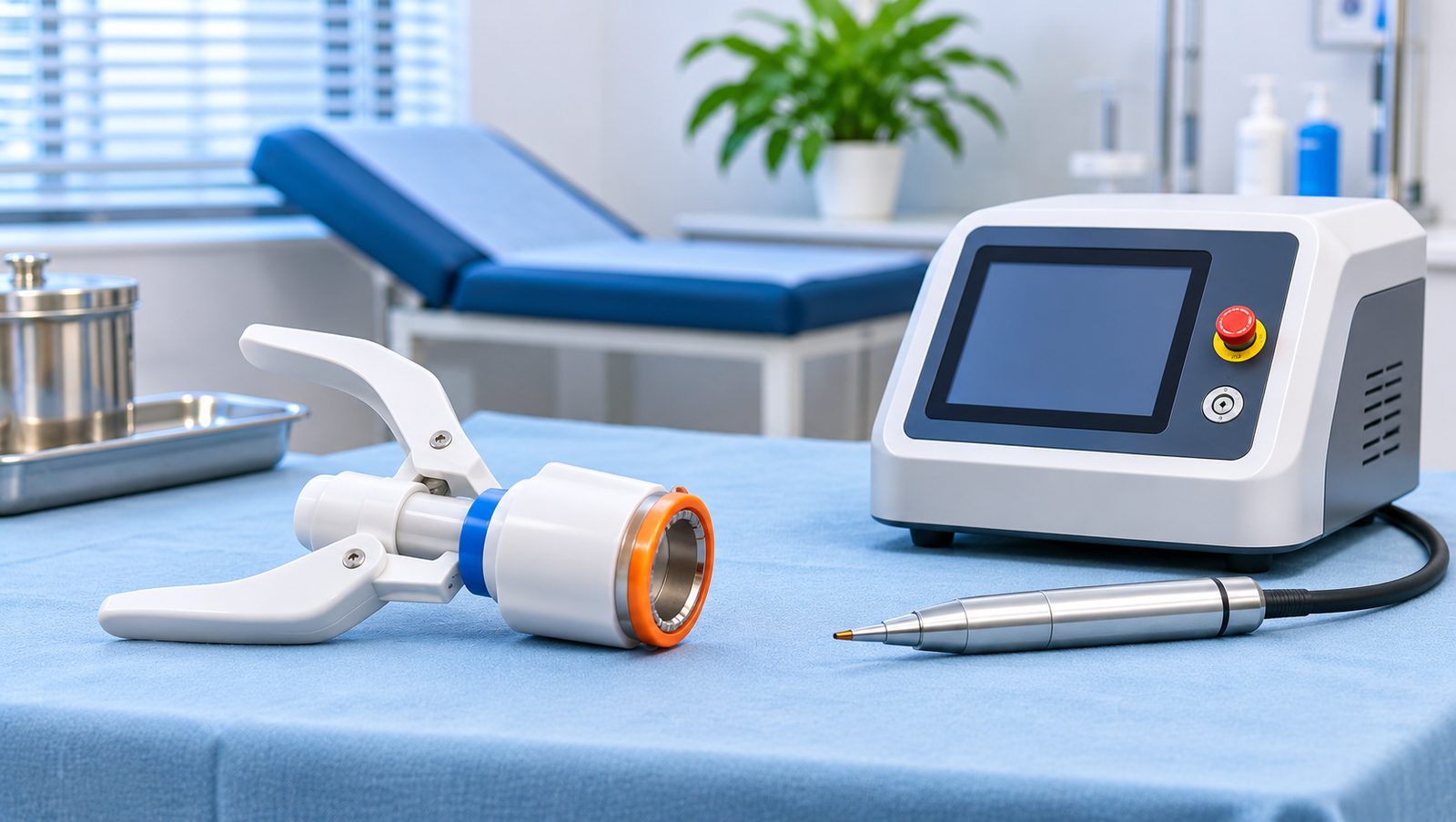
ZSR uses a circular cutting and stapling device, whereas laser-assisted surgery uses laser energy for tissue cutting.
-
Laser circumcision is not automatically stitchless, and ZSR staples do not always detach without assistance.
-
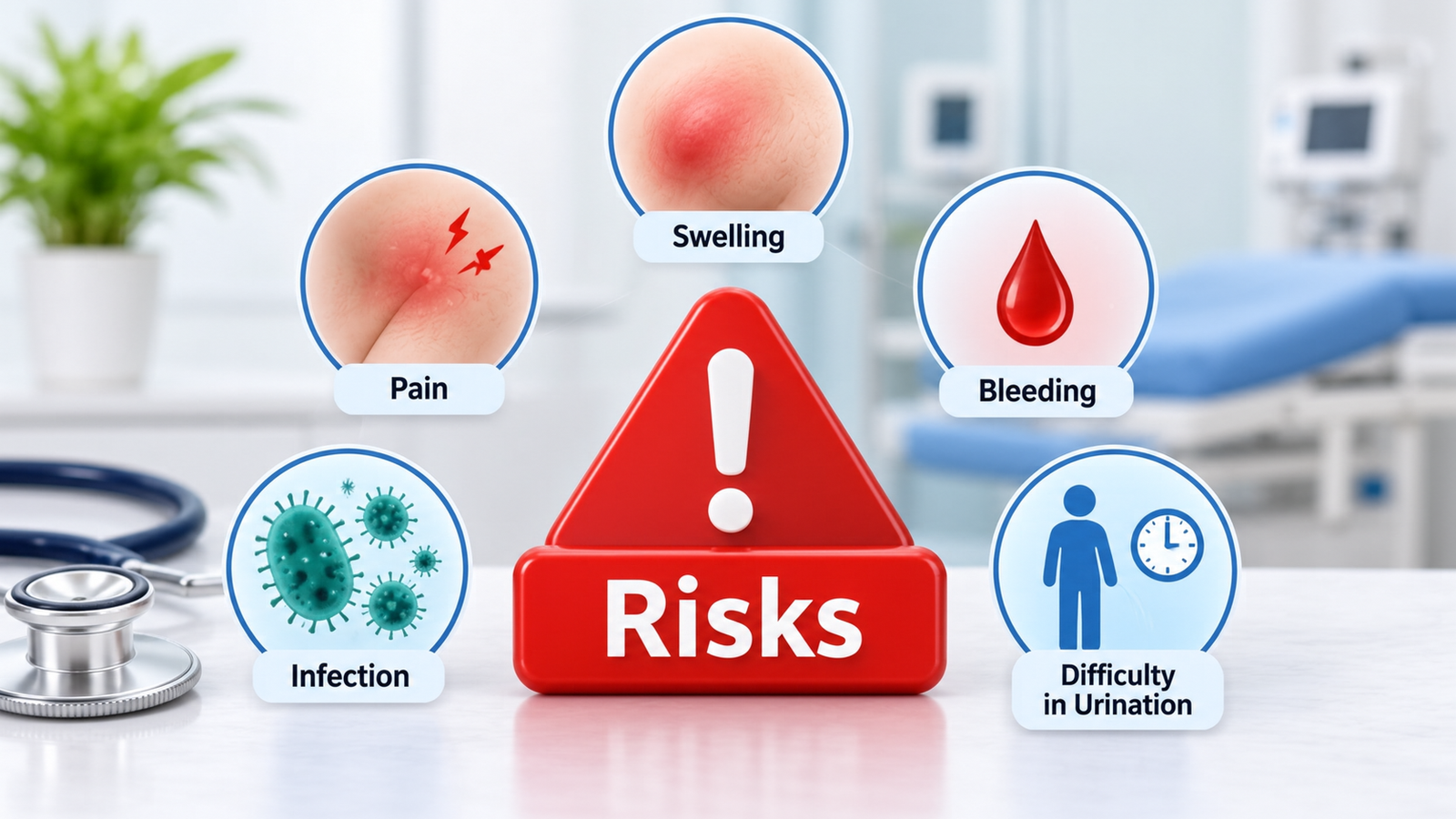
Both methods can cause swelling, discomfort, bleeding or infection.
-
Neither method is universally faster, safer or less painful for every patient.
-
The final choice should depend on medical suitability, surgical experience, recovery expectations and cost.
What Does Each Circumcision Option Do?
Understanding the difference between ZSR stapler circumcision and laser circumcision helps patients compare the techniques without relying on marketing claims.
What Is ZSR Stapler Circumcision?
ZSR stapler circumcision uses a specialised circular device designed to remove the foreskin and approximate the wound edges using staples.
The surgeon selects an appropriately sized device after assessing the patient's anatomy.
During the procedure, the foreskin is positioned within the device, and the cutting and stapling mechanism is activated according to the manufacturer's instructions.
The device is then removed, and the surgeon checks the wound and bleeding control.
Staples may separate during healing, but some may remain attached and require medical assessment or removal.
Patients should never pull out staples themselves.
Learn more about zsr stapler circumcision.
What Is Laser Circumcision?
Laser circumcision uses laser energy to cut the foreskin during surgical removal.
The surgeon plans the amount of foreskin to remove and uses an appropriate laser technique.
Depending on the method, wound closure may involve sutures.
Laser surgery still creates a surgical wound and requires postoperative care.
It should not be described as automatically bloodless, painless or scar-free.
What Do Both Methods Have in Common?
Both methods remove the foreskin permanently.
They may be considered for selected patients with:
-
Pathological phimosis.
-
Recurrent foreskin inflammation.
-
Certain foreskin-related scarring conditions.
-
Repeated problems that have not improved with appropriate treatment.
-
Personal, cultural or religious reasons.
Not every foreskin concern requires surgery.
Depending on the diagnosis, medication or another treatment may be appropriate.
ZSR Stapler Circumcision vs Laser Circumcision: Side-by-Side Comparison
Patients comparing ZSR stapler circumcision vs laser circumcision often want to know which method involves less pain, faster recovery and lower cost.
The following table explains the main differences.
| Factor | ZSR Stapler Circumcision | Laser Circumcision |
|---|---|---|
| Surgical method | Circular cutting and stapling device | Laser-assisted tissue cutting |
| Foreskin removal | Permanent | Permanent |
| Wound closure | Device-associated staples | Sutures or other closure, depending on technique |
| Anaesthesia | Selected according to medical assessment | Selected according to medical assessment |
| Pain during surgery | Controlled using appropriate anaesthesia | Controlled using appropriate anaesthesia |
| Postoperative discomfort | Possible | Possible |
| Swelling | Possible | Possible |
| Bleeding | Possible | Possible |
| Follow-up | Includes wound and staple assessment | Includes wound and suture assessment, when applicable |
| Long-term result | Intended to be permanent | Intended to be permanent |
Which Method Causes Less Pain?
Both procedures require appropriate anaesthesia.
Pain during surgery depends mainly on the effectiveness of anaesthesia and individual circumstances.
After surgery, discomfort may be influenced by swelling, wound tension, inflammation and healing.
There is insufficient basis to promise that one technique will be painless or consistently less painful for every patient.
Patients concerned about discomfort during sexual activity can review the clinic's video, how to avoid pain while having intercourse with zsr circumcision procedure.
Sexual activity should not resume until the surgeon confirms adequate healing.
Which Method Causes Less Swelling?
Swelling can occur after either technique.
Its severity depends on tissue handling, individual healing, wound complications and other clinical factors.
Patients should follow postoperative instructions and report worsening swelling.
Read more about swelling after circumcision.
Which Method Heals Faster?
Some studies of particular stapling devices have reported differences in operative time and recovery outcomes compared with conventional techniques.
However, those findings do not establish that ZSR is always faster than every laser-assisted approach.
Likewise, laser-assisted surgery does not guarantee faster healing.
Who Is a Suitable Candidate for Each Option?
The appropriate method depends on the patient's anatomy, reason for circumcision, medical history and treatment expectations.
Who May Be Suitable for ZSR Stapler Circumcision?
ZSR may be considered when:
-
Circumcision is medically appropriate.
-
The patient's anatomy is suitable for the device.
-
An appropriate device size is available.
-
The surgeon considers stapling suitable for the clinical condition.
-
The patient understands postoperative staple care and follow-up requirements.
Not every patient is suitable for a circular stapling device.
Significant scarring, unusual anatomy or previous surgery may influence the decision.
Who May Be Suitable for Laser Circumcision?
Laser-assisted circumcision may be considered when:
-
Surgical foreskin removal is appropriate.
-
The surgeon considers laser cutting suitable.
-
The patient understands that stitches may still be required.
-
Appropriate equipment and surgical expertise are available.
-
The patient can follow postoperative wound-care instructions.
Laser technology alone does not determine whether a procedure is safe or successful.
When Should Circumcision Be Delayed?
The surgeon may recommend additional assessment or postponement when a patient has:
-
An active infection requiring treatment.
-
Poorly controlled diabetes.
-
A bleeding disorder or anticoagulant-related concerns.
-
Significant medical illness.
-
Unusual anatomy requiring specialist planning.
Patients should never stop prescribed blood thinners without medical advice.
What About Age?
Suitability depends on the patient's age, anatomy and medical indication.
A technique commonly used in adults may not be appropriate for every child.
Parents considering circumcision for a child should obtain an age-specific surgical assessment.
Can ZSR Stapler and Laser Circumcision Be Combined?
ZSR and laser circumcision are generally considered alternative techniques for accomplishing the same main goal: removing the foreskin.
Routine use of both methods together is not normally necessary.
Can Laser Be Used After ZSR?
If a patient develops a complication or requires revision, the surgeon may consider additional treatment.
However, revision surgery is not automatically a laser procedure.
The approach depends on the actual problem.
Can ZSR Be Used After Laser Circumcision?
After a completed circumcision, the foreskin has already been removed.
A patient dissatisfied with the result may require an assessment for scar management or revision surgery rather than another routine circumcision.
Can Both Be Used During One Operation?
A surgeon may use additional instruments or techniques when clinically necessary.
However, combining a circular stapling device with laser cutting is not an established requirement for routine circumcision.
Patients should ask why any combined approach is being recommended and whether it offers a proven benefit in their situation.
How Do You Decide With Your Doctor?
Choosing between ZSR stapler circumcision or laser circumcision should begin with a clinical examination rather than a preference based only on price or advertising.
Step 1: Identify the Medical Concern
The surgeon determines whether the patient has phimosis, recurrent inflammation, scarring or another condition.
Some concerns may respond to nonsurgical treatment.
Step 2: Discuss the Available Techniques
Ask how each technique works, what equipment is used and whether stitches or staples will be present afterward.
Step 3: Understand the Recovery Requirements
Discuss:
-
Wound cleaning and dressings.
-
Pain-relief medicines.
-
Swelling and bleeding precautions.
-
Return to work.
-
Exercise restrictions.
-
Sexual activity restrictions.
-
Follow-up appointments.
Step 4: Compare the Complete Cost
The quoted price should explain whether consultation, anaesthesia, surgical facility charges, medicines, dressings and follow-up visits are included.
A lower initial price does not necessarily mean a lower total treatment cost.
Step 5: Discuss Risks and Expectations
Both procedures can cause bleeding, infection, wound-healing problems, scarring or dissatisfaction with appearance.
ZSR also involves device-specific considerations, including retained staples.
Laser-assisted surgery involves risks related to thermal tissue injury and wound healing.
The surgeon should explain the risks relevant to the chosen technique.
ZSR Stapler Circumcision in Citylight Surat: Consultation Considerations
Patients researching ZSR stapler circumcision in citylight surat should arrange an individual assessment before selecting a technique.
At Elegance Clinic, Dr. Ashutosh Shah (M.S., M.Ch., D.N.B.) can discuss surgical suitability, available options and expected recovery.
Patients should ask about the surgeon's experience with the proposed method and whether another technique may be more appropriate.
Conclusion
The choice between ZSR stapler circumcision and laser circumcision depends on individual medical needs rather than a universally superior technique.
Both methods permanently remove the foreskin, but they differ in surgical equipment, wound closure and postoperative considerations.
Patients should compare the full treatment plan, including anaesthesia, recovery, risks, follow-ups and total cost.
Dr. Ashutosh Shah at Elegance Clinic can assess suitability and discuss the available options.
For consultation details, contact us.